
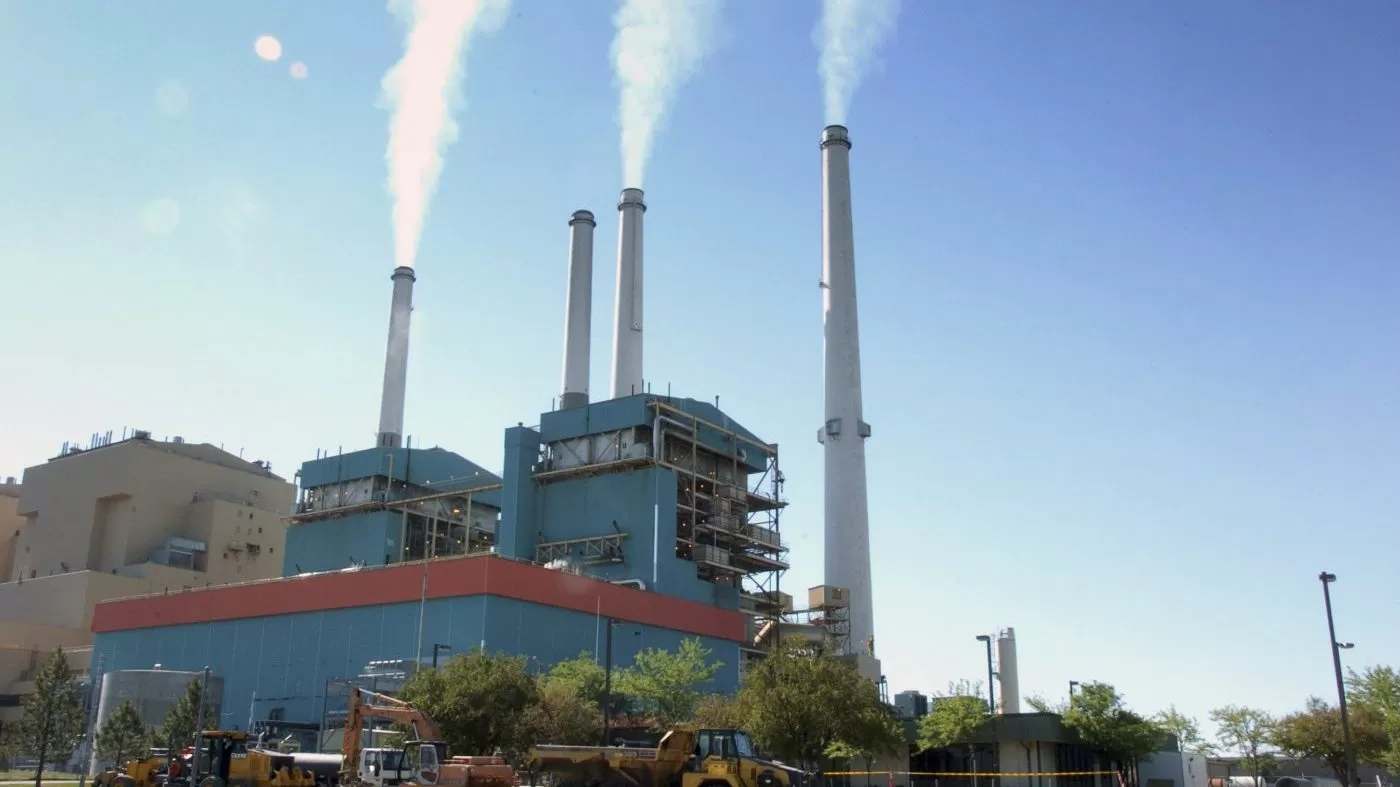
The Trump administration has recently proposed a controversial move that could have significant consequences for the fight against climate change. The Environmental Protection Agency (EPA) announced on Friday that it is seeking to repeal requirements for companies to report their emissions of planet-warming gases. This move would allow companies to keep their emissions data hidden from the government and the public, making it difficult to track and address the issue of climate change.
The proposal aims to dismantle a 2009 rule that was put in place to hold companies accountable for their carbon footprint. Under this rule, companies were required to report their greenhouse gas emissions to the EPA, providing valuable data for scientists and policymakers to understand the impact of human activities on the environment. However, the Trump administration argues that this rule imposes unnecessary burdens on businesses and hinders economic growth.
This proposed repeal has sparked widespread concern and criticism from environmentalists, scientists, and even some businesses. They argue that this move will only serve to benefit the interests of polluting industries while putting the environment and public health at risk. With the United States being one of the top contributors to greenhouse gas emissions, this decision could have far-reaching consequences for the global efforts to combat climate change.
The EPA’s proposal has been met with strong opposition, with many groups and individuals urging the administration to reconsider. They argue that the repeal of the emissions reporting requirements would not only hinder our understanding of the climate crisis but also hinder the development of effective policies to address it. Without accurate and transparent data, it would be impossible to hold companies accountable for their actions and take necessary steps to reduce emissions.
Furthermore, this move goes against the growing global trend of transparency and accountability in regards to emissions reporting. Many countries and companies have taken steps to publicly disclose their emissions data, recognizing the importance of transparency in addressing climate change. By repealing this rule, the United States would be going against the tide and sending a negative message to the rest of the world.
The proposal has also faced criticism for its potential impact on public health. Greenhouse gases not only contribute to climate change but also have harmful effects on human health. By keeping emissions data hidden, the public would not have access to vital information about the pollutants in their communities, making it difficult to take necessary precautions. This could disproportionately affect marginalized communities who are often the most vulnerable to the effects of pollution.
The Trump administration’s proposal to repeal emissions reporting requirements is a step in the wrong direction. It not only goes against scientific evidence and global efforts to combat climate change but also puts public health at risk. The EPA’s decision to prioritize the interests of polluting industries over the well-being of the planet and its people is deeply concerning.
It is crucial that we continue to hold companies accountable for their actions and demand transparency in emissions reporting. We cannot afford to ignore the reality of climate change and its devastating consequences. The United States has a responsibility to lead by example and take concrete steps towards reducing emissions and addressing the climate crisis.
In conclusion, the Trump administration’s proposal to repeal emissions reporting requirements is a significant setback in the fight against climate change. It is a decision that goes against the interests of the planet and its people and undermines the progress made in recent years. We must continue to raise our voices and demand that our leaders take action to protect the environment and ensure a sustainable future for generations to come.
