
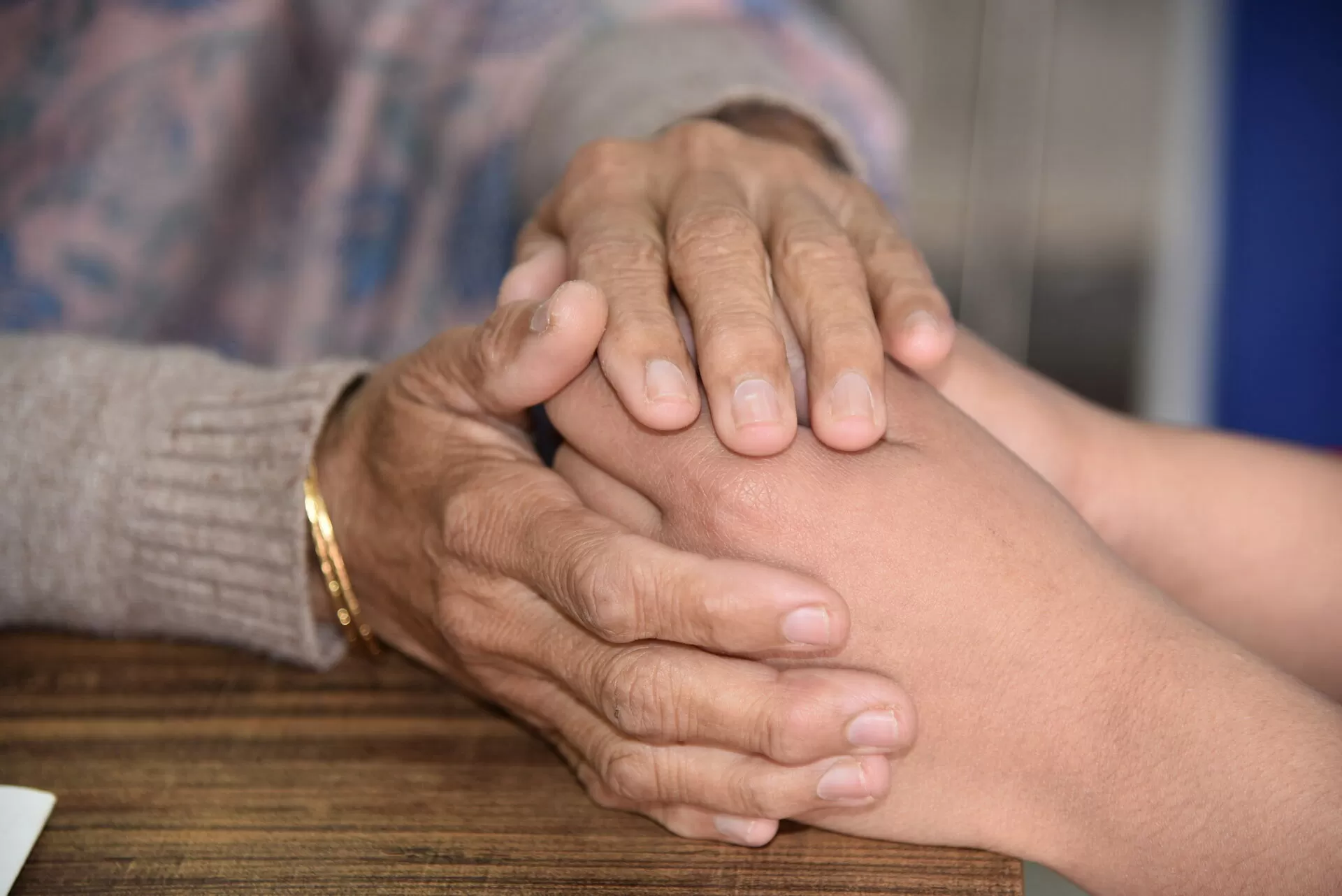
World Suicide Prevention Day: Changing the Narrative on Suicide
On September 9, 2025, Cairo, Egypt will be joining the rest of the world in recognizing World Suicide Prevention Day (WSPD). This important day, organized by the International Association for Suicide Prevention (IASP) and co-sponsored by the World Health Organization (WHO), aims to bring global attention to the issue of suicide prevention. It is a day to unite communities, organizations, and governments with a shared belief that suicidal behavior is a major public health problem that needs to be addressed.
The theme for WSPD 2024-2026, “Changing the Narrative on Suicide,” is a call to action for individuals, communities, organizations, and governments to engage in open and honest discussions about this taboo subject. The goal is to inspire people to break the stigma surrounding suicide and encourage them to seek help without fear or shame.
According to WHO, more than 720,000 people die from suicide every year. It is the third leading cause of death among 15-29-year-olds, with 73% of suicides occurring in low- and middle-income countries. However, since 2019, suicide rates in the Eastern Mediterranean Region have declined by 17%. This is a positive development, but we cannot let our guard down.
Behind each suicide, there are an estimated 20 suicide attempts. Each life lost has a profound impact on families, friends, workplaces, and communities. The stigma surrounding suicide often prevents people from seeking help and hinders the development of evidence-based health and social care policies and services.
Suicidal behavior is a complex issue influenced by a variety of factors. These include social, cultural, economic, biological, psychological, and environmental factors. Mental health conditions, experiencing conflict, disaster, loss, discrimination, violence, abuse, relationship problems, chronic pain, and illness are among the many root causes of suicidal behavior.
We need to address these underlying factors and strive towards creating supportive environments and communities. We must take a proactive approach in promoting mental health and well-being, as well as providing access to effective and affordable treatment for those who need it.
The key to preventing suicide lies in education and awareness. As a society, we must work towards breaking the stigma surrounding mental health and encouraging open and honest discussions about suicide. We must create safe spaces for people to seek help without judgment or discrimination.
Governments must also play a crucial role in this fight against suicide. They must prioritize mental health in their policies and provide adequate resources for mental health services. This includes providing access to affordable and quality mental health care, as well as training for healthcare professionals to effectively address suicide.
As individuals, we can also make a difference. We can start by educating ourselves and others about the warning signs of suicide and how to support someone in distress. We can also play an active role in reducing the stigma surrounding suicide by speaking up and standing up against harmful stereotypes and discrimination.
On this World Suicide Prevention Day, let us come together as a global community and change the narrative on suicide. Let us break the silence and shame surrounding this important issue. Let us promote understanding, compassion, and empathy towards those who may be struggling with suicidal thoughts. And let us all work towards creating a world where no one feels alone or hopeless, a world where every life is valued and cherished.
As we look towards the future, we must remember that suicide prevention is everyone’s responsibility. Let us continue to raise awareness and work towards creating a world where suicide is no longer an option. Together, we can make a difference and save lives.
