
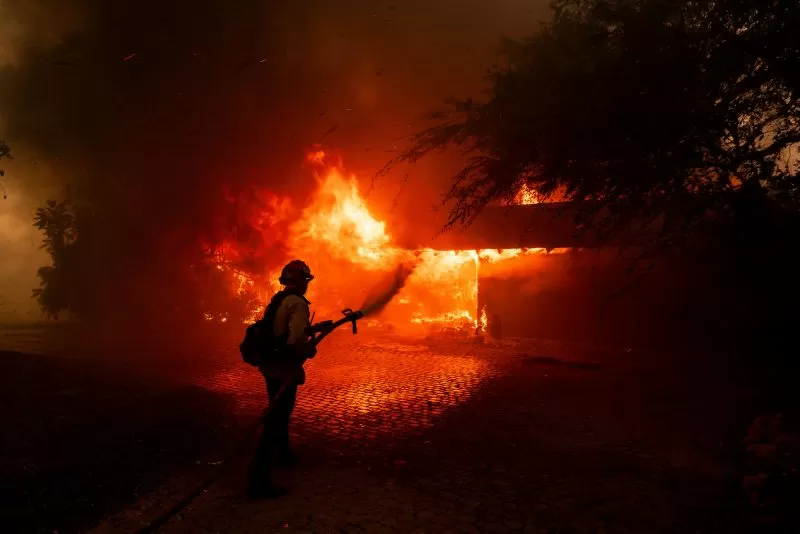
According to a recent report by Realtor.com, nearly $13 trillion worth of homes are at risk of severe or extreme climate threats. This alarming statistic highlights the urgent need for homeowners, real estate agents, and policymakers to take action in order to protect our homes and communities from the devastating effects of climate change.
The report, which analyzed data from the National Oceanic and Atmospheric Administration (NOAA), found that over 25 million homes in the United States are currently at risk of being affected by natural disasters such as hurricanes, wildfires, and flooding. This accounts for nearly one-third of all homes in the country and represents a staggering $13 trillion in property value.
The findings of this report serve as a wake-up call for all of us to take proactive measures to mitigate the impact of climate change on our homes and communities. As the effects of climate change continue to intensify, it is crucial that we take steps to protect our most valuable assets – our homes.
One of the key factors contributing to the high number of homes at risk is the increasing frequency and severity of natural disasters. In recent years, we have witnessed devastating hurricanes, wildfires, and floods that have caused significant damage to homes and communities. These events not only result in financial losses but also have a profound impact on the lives of those affected.
In addition to natural disasters, rising sea levels and extreme weather patterns are also major contributors to the vulnerability of homes to climate threats. As temperatures continue to rise, coastal areas are at risk of flooding and erosion, while inland areas are susceptible to droughts and heatwaves. These changes in climate not only affect the structural integrity of homes but also have a significant impact on the overall quality of life for homeowners.
The report also highlights the disproportionate impact of climate threats on low-income and marginalized communities. These communities often lack the resources and infrastructure to withstand the effects of natural disasters, leaving them more vulnerable to the devastating consequences. It is crucial that we address these inequalities and work towards creating more resilient and sustainable communities for all.
So, what can we do to protect our homes from climate threats? The first step is to educate ourselves and others about the risks and potential impacts of climate change. By understanding the threats, we can take proactive measures to mitigate them. This includes investing in home improvements such as reinforcing roofs, installing storm shutters, and elevating homes in flood-prone areas.
Furthermore, it is essential for homeowners to have adequate insurance coverage to protect their homes in the event of a natural disaster. This not only provides financial security but also ensures that homeowners can rebuild and recover after a disaster strikes.
Real estate agents also play a crucial role in addressing the issue of climate threats. They can educate their clients about the risks and help them make informed decisions when buying or selling a home. By considering factors such as location, construction materials, and energy efficiency, agents can guide their clients towards more sustainable and resilient homes.
Policymakers also have a significant role to play in addressing the issue of climate threats. They can implement regulations and incentives to encourage homeowners to make their homes more resilient to natural disasters. This includes promoting the use of renewable energy, implementing building codes that consider climate risks, and investing in infrastructure to protect communities from the effects of climate change.
In conclusion, the report by Realtor.com serves as a stark reminder of the urgent need to address the issue of climate threats to our homes. It is crucial that we take proactive measures to protect our homes and communities from the devastating effects of climate change. By working together and taking action now, we can create a more sustainable and resilient future for ourselves and future generations. Let us not wait for another disaster to strike before we take action – the time to act is now.
