
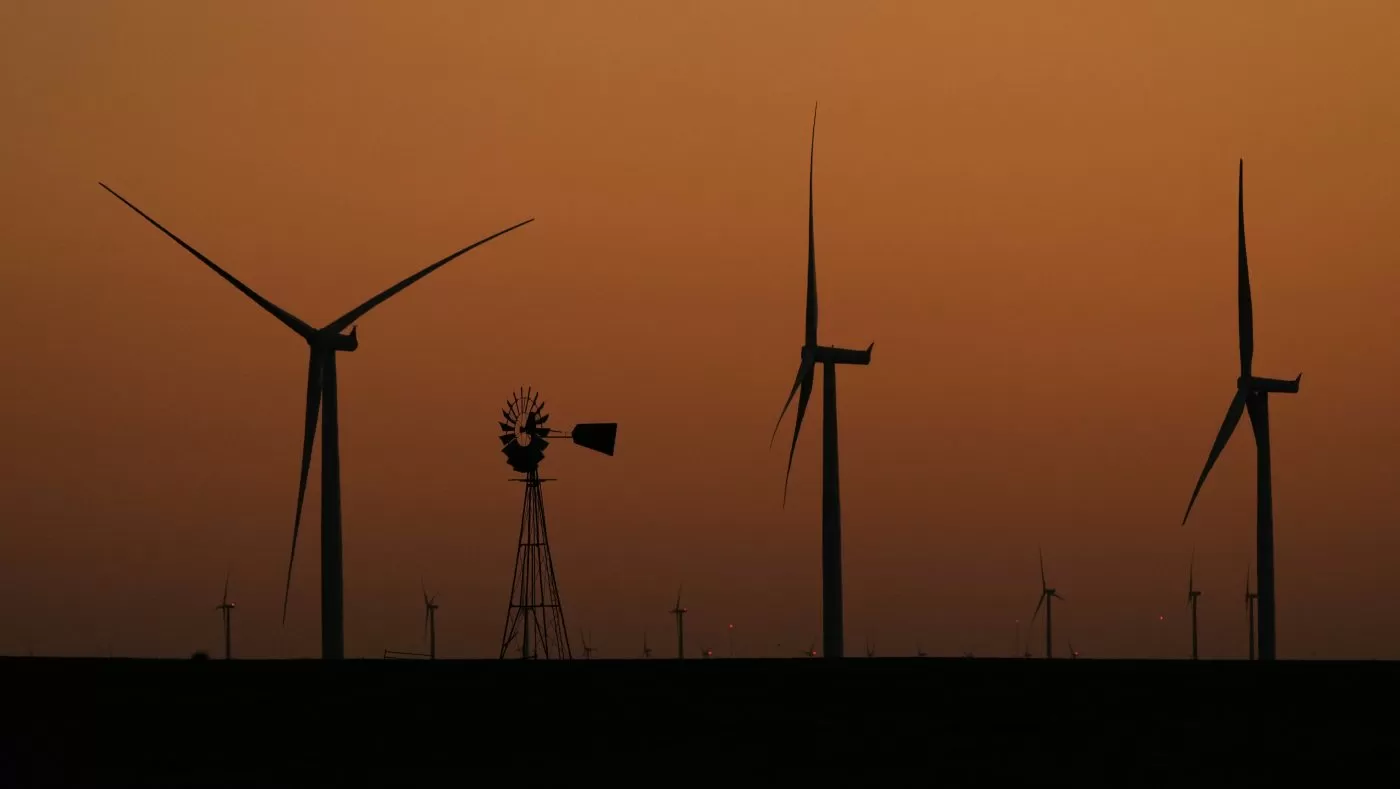
A brutal and record-early heat wave is currently sweeping across Texas, bringing with it scorching temperatures that are more typical of July than May. This sudden spike in heat is not only uncomfortable, but also poses a serious danger to the population, who are not yet accustomed to the intense summer heat. The root cause of this extreme weather event can be traced back to the decades-long failure to address the burning of fossil fuels, which has exacerbated the effects of climate change.
According to the National Weather Service, temperatures in Texas have soared well above 100 degrees Fahrenheit in the past week, breaking previous records for this time of year. This unprecedented heat wave has left many residents struggling to cope, as they are not yet acclimatized to such extreme temperatures. The suddenness of this heat spike has caught many off guard, making it even more challenging to deal with.
The effects of this heat wave are far-reaching and pose a significant threat to the health and well-being of the people of Texas. Heat-related illnesses, such as heat stroke and dehydration, are on the rise as people struggle to stay cool in the blistering heat. The elderly, children, and those with pre-existing health conditions are especially vulnerable and must take extra precautions to protect themselves.
But what is causing this intense heat wave in the middle of May? The answer lies in the decades-long failure to address the burning of fossil fuels. The continued use of these non-renewable resources has led to a rapid increase in global temperatures, resulting in more frequent and severe heat waves. This is a clear indication that urgent action needs to be taken to reduce our reliance on fossil fuels and transition to cleaner, renewable energy sources.
The consequences of not taking action are dire. The extreme heat we are experiencing in Texas is just one example of the devastating impact of climate change. The longer we delay in addressing the root cause, the more frequent and intense these weather events will become. It is not just about the discomfort of enduring a heat wave in May, but also about the long-term effects on our planet and the well-being of future generations.
Fortunately, there is still time to take action and mitigate the effects of climate change. It is up to each and every one of us to do our part in reducing our carbon footprint and advocating for sustainable practices. This includes using public transportation, reducing energy consumption, and supporting companies that prioritize renewable energy sources.
In addition, local and state governments must also take a stand against the use of fossil fuels and implement policies that promote renewable energy. It is encouraging to see some progress being made, but more needs to be done to truly make a significant impact.
It is not too late to turn the tide and create a more sustainable future for ourselves and for the planet. We must act now to reduce our carbon emissions and invest in renewable energy sources. Let us not forget the lessons we are learning from this brutal and record-early heat wave in Texas. It is a wake-up call for us to take responsibility for our actions and make a positive change for the future. Let us come together as a community and work towards a greener and more sustainable tomorrow.
