
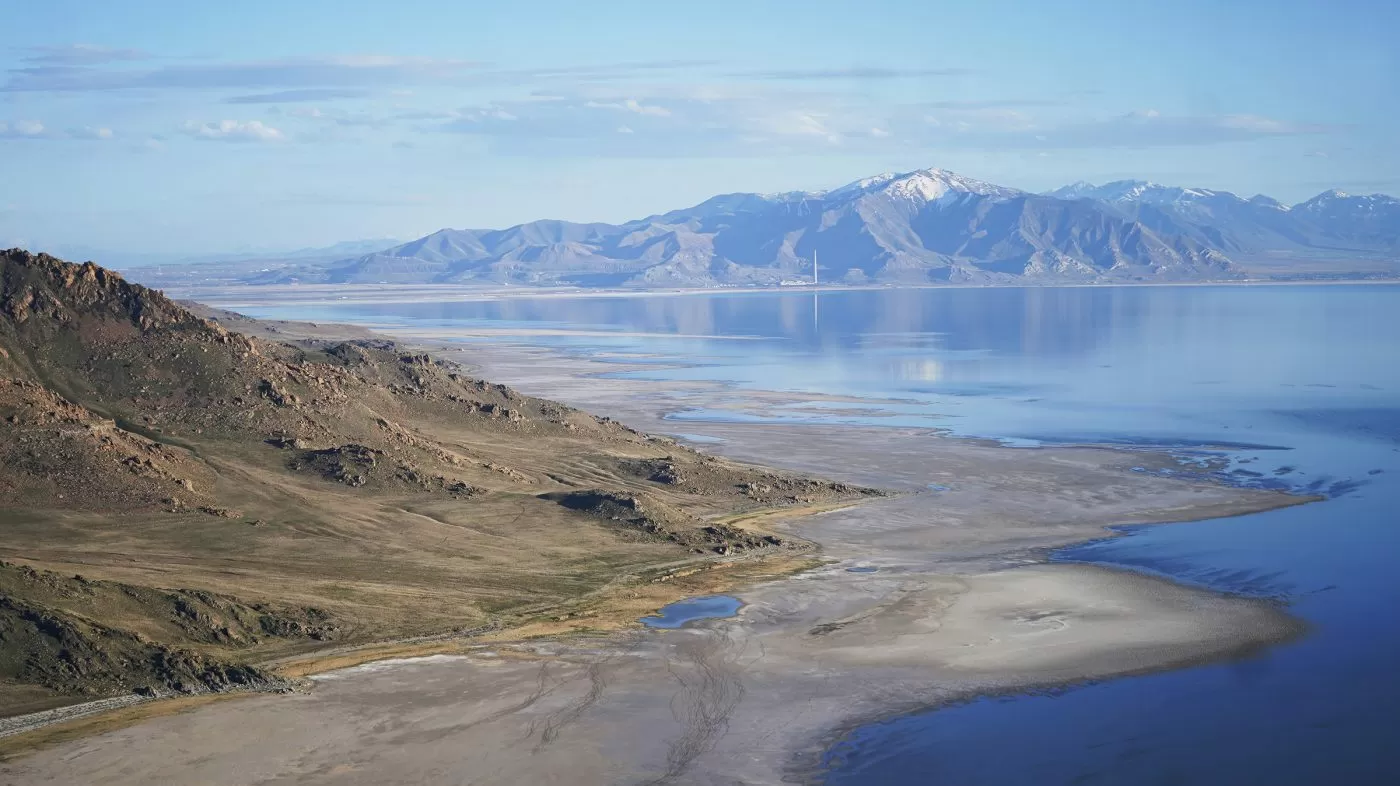
Rapid Melts Across U.S. West Threaten Water Supply, Federal Meteorologists Warn
The U.S. West is known for its breathtaking landscapes, from the majestic Rocky Mountains to the vast deserts of Arizona and Nevada. But this year, the region is facing a new challenge that could have serious consequences for its water supply – rapid melts and disappearing snowpack.
According to federal meteorologists, some areas in the U.S. West have experienced snowpack disappearing up to four weeks earlier than usual. This alarming trend has the potential to wreak havoc on the region’s water supply, which is heavily reliant on snowmelt for irrigation, drinking water, and hydropower.
The states of Utah, Colorado, and New Mexico have been particularly affected by this phenomenon, with some basins shifting from above-average snowpack to what experts are calling a “snow drought.” This means that the amount of snow in these areas is significantly below normal, posing a serious threat to the water supply for millions of people.
The early disappearance of snowpack is a result of unseasonably warm temperatures and a lack of precipitation in the region. This has caused the snow to melt at a much faster rate than usual, leaving behind dry and barren landscapes that are usually covered in a thick blanket of snow at this time of year.
The consequences of this snow drought are far-reaching. Farmers in the region are already feeling the effects, as they rely on snowmelt to irrigate their crops. With less snow, they will have less water for their fields, which could lead to lower crop yields and higher food prices.
The situation is also dire for the region’s wildlife. Many animals, such as elk and deer, depend on snowmelt for their survival. With the snow disappearing earlier than usual, they will have less time to find food and water, which could lead to a decline in their populations.
But perhaps the most concerning impact of the rapid melts is on the region’s water supply. The U.S. West is home to some of the largest rivers in the country, including the Colorado, the Rio Grande, and the Columbia. These rivers are fed by snowmelt, and their water is crucial for cities and towns across the region.
With the snowpack disappearing earlier, there is a risk of water shortages in the coming months. This could lead to water restrictions and rationing, which would have a significant impact on the daily lives of people in the affected areas.
The situation is so concerning that federal meteorologists have issued a warning, urging people to take action to conserve water and prepare for potential water shortages. They are also closely monitoring the situation and providing updates on the snowpack levels and water supply.
But it’s not all doom and gloom. The U.S. West is known for its resilience and ability to adapt to changing conditions. And this is exactly what is needed now – a collective effort to address the issue and find solutions to mitigate the impact of the rapid melts.
One solution that has been proposed is the use of technology to better manage water resources. This includes using satellite data to track snowpack levels and predict water supply, as well as implementing more efficient irrigation systems to reduce water waste.
Another important step is to raise awareness about the issue and encourage people to take action. This could include simple measures such as fixing leaky faucets, using drought-resistant plants in landscaping, and being mindful of water usage in daily activities.
The U.S. West is facing a challenging situation, but it’s not too late to take action. By working together and implementing sustainable solutions, we can mitigate the impact of the rapid melts and ensure a reliable water supply for generations to come.
So let’s heed the warning of federal meteorologists and take action now. Let’s conserve water, embrace technology, and work towards a more sustainable future for the U.S. West. Together, we can overcome this challenge and emerge stronger and more resilient than ever before.
