
The Trump administration’s recent decision to deny a delivery of water to Mexico has sparked concern and debate among experts. This unprecedented move has raised alarm among many, who fear that it could have far-reaching consequences for future cross-border negotiations in an already parched region.
The refusal, which marked the first time in 81 years that such a request has been rejected, pertains to a special request from Mexico for additional Colorado River water. This request was made in light of the severe drought conditions that have been plaguing the region, and the urgent need for water to sustain crops and communities.
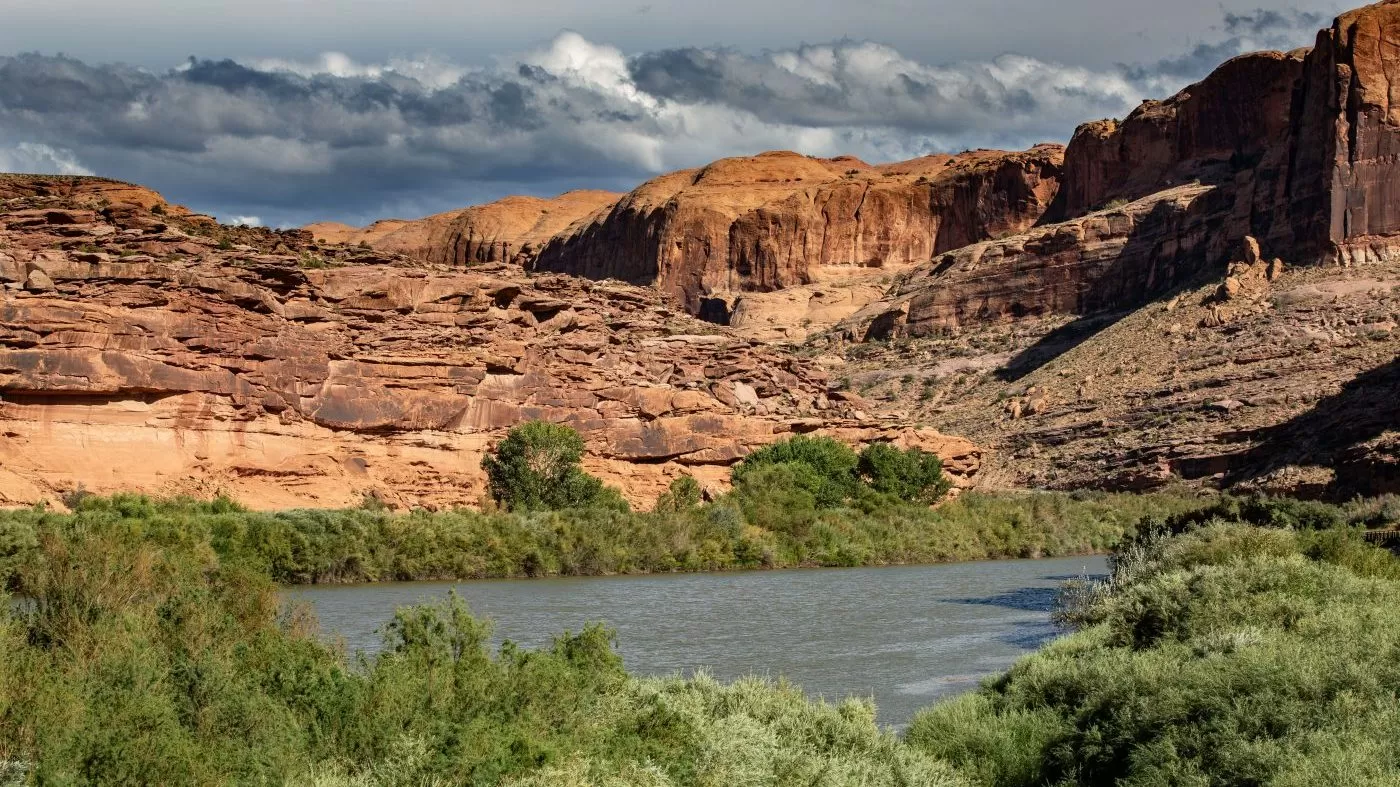
The Colorado River, which flows through seven US states and two Mexican states, is a vital source of water for millions of people. It is also a crucial resource for agriculture, industry, and wildlife. However, in recent years, the river has been facing increasing strain due to climate change, overuse, and mismanagement.
The denial of this water delivery has caused concern because it goes against the long-standing agreement between the US and Mexico regarding the sharing of Colorado River water. This agreement, known as the 1944 Water Treaty, has been a cornerstone of cross-border cooperation and diplomacy for over seven decades.
Under the treaty, the US is obligated to deliver a certain amount of water to Mexico each year. This is to ensure that both countries have access to the water they need for their respective needs. However, with the current drought conditions, the US is struggling to meet its own water demands, let alone fulfill its obligations to Mexico.
The Trump administration’s decision to deny the water delivery has been met with criticism from both sides of the border. Mexican officials have expressed their disappointment and concern, stating that this decision could have serious implications for the future of the treaty and cross-border relations.
Experts have also weighed in on the matter, warning that this move could jeopardize future negotiations and cooperation between the two countries. The Colorado River Basin has long been a source of tension between the US and Mexico, and this latest development only adds to the existing challenges.
Furthermore, the denial of this water delivery could have severe consequences for the communities and ecosystems that rely on the Colorado River. The river is already facing significant stress, and any further strain could have devastating effects.
In the face of these concerns, it is essential for the US and Mexico to come together and find a solution that benefits both countries. This could involve renegotiating the terms of the 1944 Water Treaty to account for the changing conditions in the region.
It is also crucial for both countries to work towards sustainable water management practices, including conservation and investment in alternative sources of water. Climate change is a reality, and it is essential for both the US and Mexico to adapt to these changing conditions to ensure the long-term sustainability of the Colorado River.
In conclusion, the Trump administration’s decision to deny a delivery of water to Mexico has raised alarm among experts and sparked concern for the future of cross-border negotiations in the Colorado River Basin. It is crucial for both countries to work together and find a solution that addresses the challenges facing the region and ensures the sustainable use of this vital resource. Let us hope that this decision is not a sign of a deteriorating relationship between the US and Mexico, but rather an opportunity for both countries to come together and find a mutually beneficial solution.
