
Muscle cramping is a common problem that many people experience at some point in their lives. It can be a sudden and painful experience, causing discomfort and disrupting daily activities. While muscle cramps can occur in any part of the body, leg cramps at night are particularly common and can greatly affect one’s quality of sleep. In this article, we will explore the causes of muscle cramping, the symptoms of leg cramps at night, prevention steps, and tips for faster recovery and better sleep.
Muscle cramping is a sudden and involuntary contraction of one or more muscles. It can occur in any muscle in the body, but it is most commonly experienced in the legs, feet, and hands. The exact cause of muscle cramping is not fully understood, but it is believed to be a result of muscle fatigue, dehydration, and electrolyte imbalances. Other factors that may contribute to muscle cramping include overexertion, poor circulation, and certain medical conditions such as diabetes and thyroid disorders.
One of the most common types of muscle cramping is leg cramps at night. These are sudden and intense contractions of the muscles in the legs that occur during sleep. They can be extremely painful and can last anywhere from a few seconds to several minutes. Leg cramps at night can be caused by a variety of factors, including overexertion during the day, dehydration, and mineral deficiencies such as potassium, calcium, and magnesium.
The symptoms of leg cramps at night are usually easy to identify. They typically occur in the calf muscles, but can also affect the thighs and feet. The affected muscle may feel hard and tense, and there may be visible twitching or bulging of the muscle. The pain can range from mild to severe and can sometimes be accompanied by numbness or tingling sensations. Leg cramps at night can also cause sleep disturbances, leading to fatigue and irritability the next day.
Fortunately, there are steps that can be taken to prevent muscle cramping and leg cramps at night. Staying hydrated is crucial, as dehydration can lead to electrolyte imbalances and muscle fatigue. It is recommended to drink at least 8 glasses of water a day and to increase fluid intake during physical activity. Stretching before and after exercise can also help prevent muscle cramping by improving flexibility and blood flow to the muscles. Additionally, maintaining a balanced diet rich in essential minerals can help prevent deficiencies that may contribute to muscle cramping.
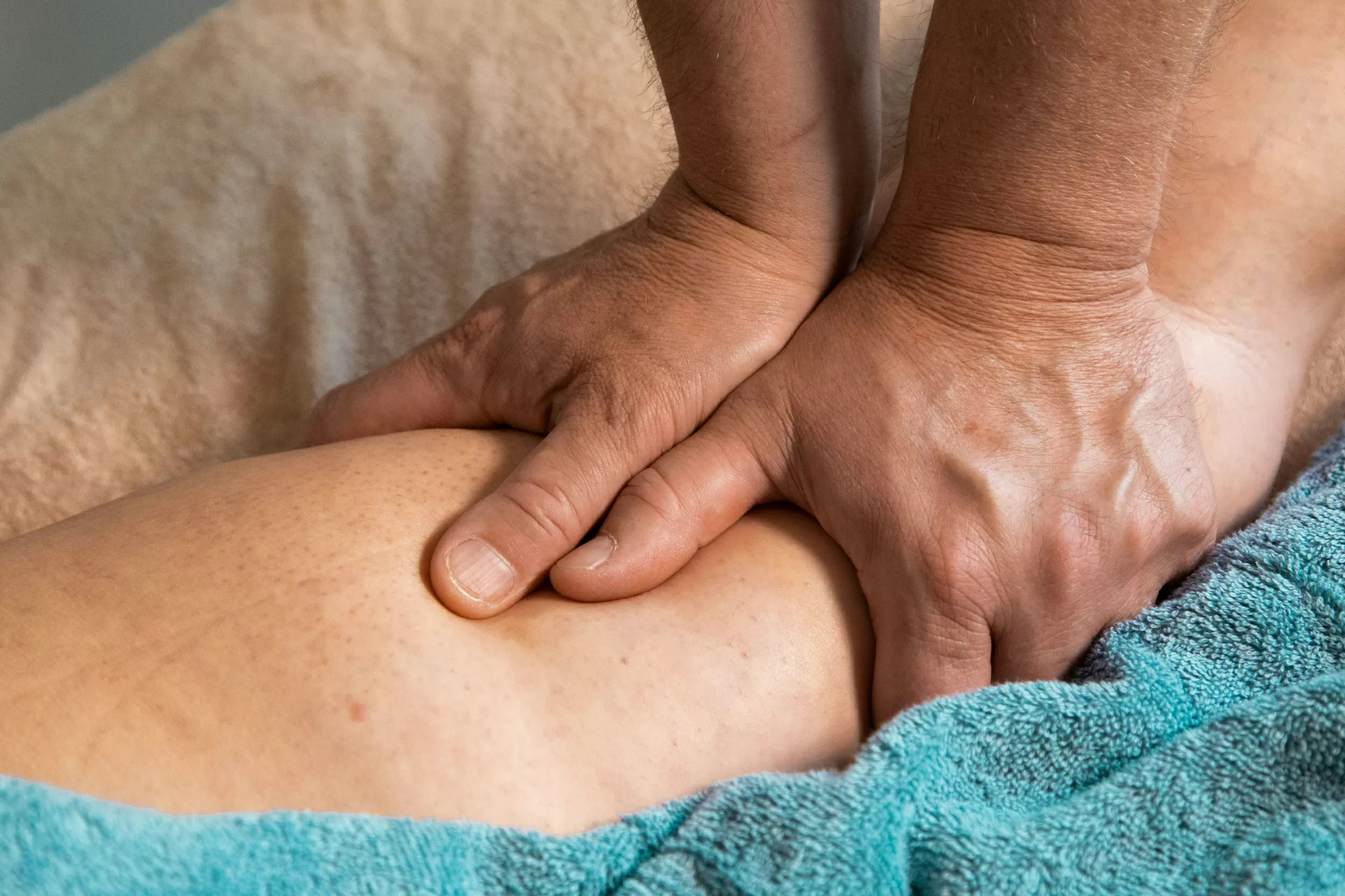
In the event of a muscle cramp, there are some simple tips that can help provide relief and promote faster recovery. First, it is important to stop the activity that caused the cramp and gently stretch the affected muscle. Applying heat or ice to the area can also help alleviate pain and reduce inflammation. Massaging the muscle can also help relax the muscle and improve blood flow. If the cramp persists or occurs frequently, it is advisable to consult a doctor to rule out any underlying medical conditions.
In conclusion, muscle cramping is a common problem that can be caused by a variety of factors. Leg cramps at night, in particular, can greatly affect one’s quality of sleep and daily activities. By staying hydrated, stretching regularly, and maintaining a balanced diet, muscle cramping can be prevented. In the event of a muscle cramp, simple measures such as stretching, applying heat or ice, and massaging the affected area can provide relief and promote faster recovery. Remember to consult a doctor if the cramps persist or occur frequently. With these prevention steps and relief tips, you can say goodbye to muscle cramping and enjoy a good night’s sleep.
