
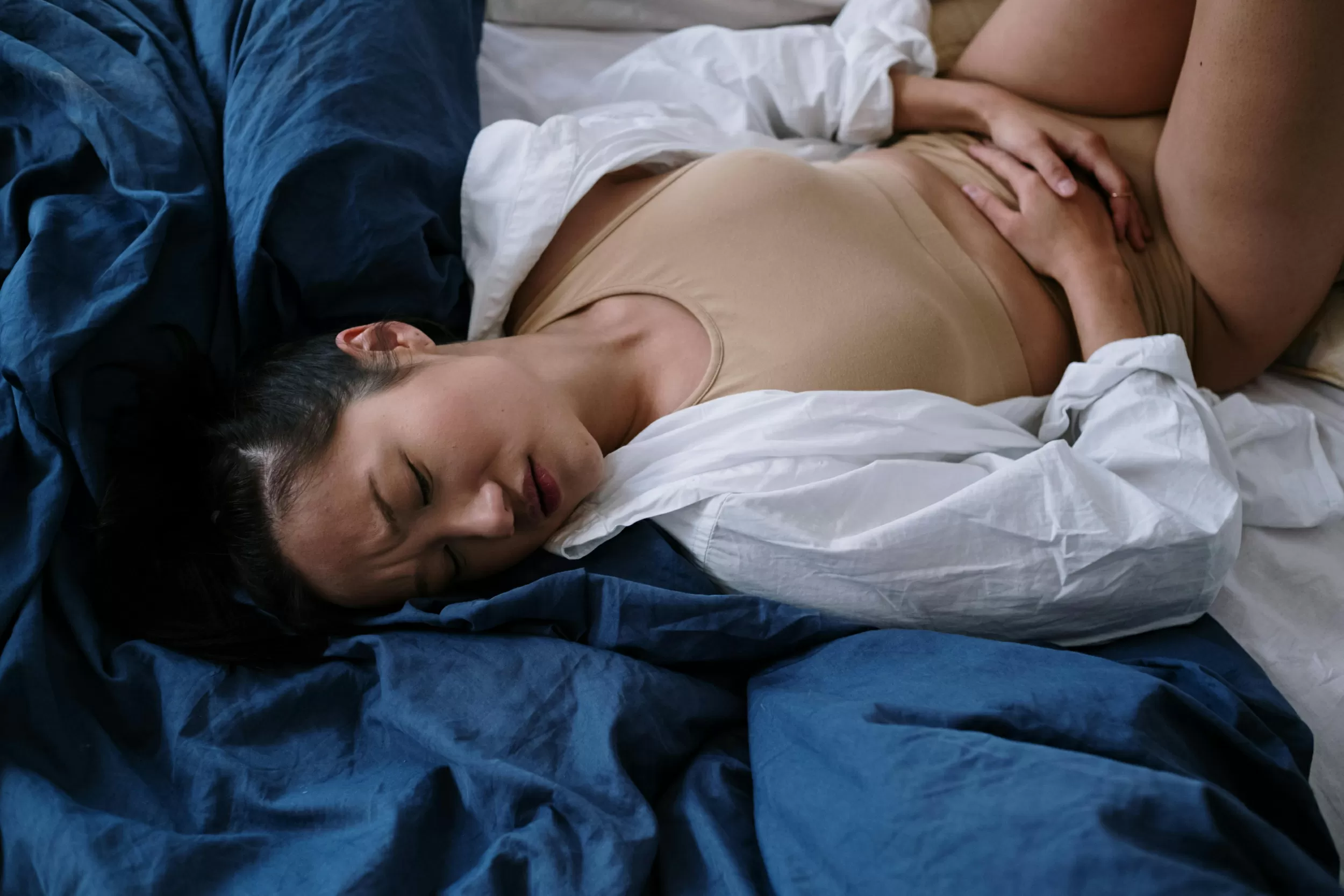
Endometriosis is a common yet often misunderstood condition that affects millions of women worldwide. It occurs when the tissue that lines the uterus, known as the endometrium, grows outside of the uterus and attaches to other organs in the pelvic area. This can cause a range of symptoms, including severe pelvic pain, heavy periods, and fertility issues. While there is no cure for endometriosis, there are various treatment options available to help manage the symptoms and improve the quality of life for those living with this condition.
One of the most common symptoms of endometriosis is pelvic pain, which can be debilitating and greatly impact daily activities. Fortunately, there are several options for pain relief that can provide much-needed relief for those suffering from endometriosis.
Hormonal care is often the first line of treatment for endometriosis pain. This involves using hormonal birth control methods, such as the pill, patch, or ring, to regulate the menstrual cycle and reduce the growth of endometrial tissue. These methods can also help alleviate pain by reducing the severity of menstrual cramps. However, it is essential to consult with a healthcare provider to determine the best hormonal care option for each individual’s specific needs.
In some cases, surgery may be necessary to manage endometriosis pain. This can involve removing the endometrial tissue and any scar tissue that may have formed. It is a more invasive option, but it can provide long-term relief for those with severe symptoms. Additionally, surgery can improve fertility for those trying to conceive.
Pelvic pain treatment is another option for managing endometriosis pain. This can include physical therapy, acupuncture, and nerve block injections. These treatments aim to relax the pelvic muscles and reduce inflammation, providing relief from pain and discomfort. They can also help improve pelvic floor function, which can be affected by endometriosis.
Fertility support is another essential aspect of endometriosis treatment. Many women with endometriosis struggle with fertility issues, making it challenging to conceive. However, with the right support and treatment, it is possible to increase the chances of getting pregnant. Fertility treatments, such as in vitro fertilization (IVF), can help women with endometriosis conceive and have a successful pregnancy.
Aside from these treatment options, there are also lifestyle changes that can help manage endometriosis symptoms. Eating a healthy diet, exercising regularly, and reducing stress can all contribute to overall well-being and potentially reduce the severity of endometriosis symptoms. Additionally, alternative therapies such as yoga, meditation, and herbal supplements may also provide relief for some individuals.
It is crucial to remember that every person’s experience with endometriosis is unique, and what works for one may not work for another. It is essential to work closely with a healthcare provider to determine the best treatment plan for each individual’s specific needs. It may also be helpful to join a support group or seek counseling to manage the emotional toll that endometriosis can have on a person’s life.
In conclusion, while there is no cure for endometriosis, there are various options available for managing the symptoms and improving the quality of life for those living with this condition. Hormonal care, surgery, pelvic pain treatment, and fertility support are all viable options for relieving endometriosis pain. Additionally, making lifestyle changes and seeking alternative therapies can also contribute to overall well-being and potentially reduce the severity of symptoms. With the right treatment plan and support, it is possible to manage endometriosis and live a fulfilling life.
