
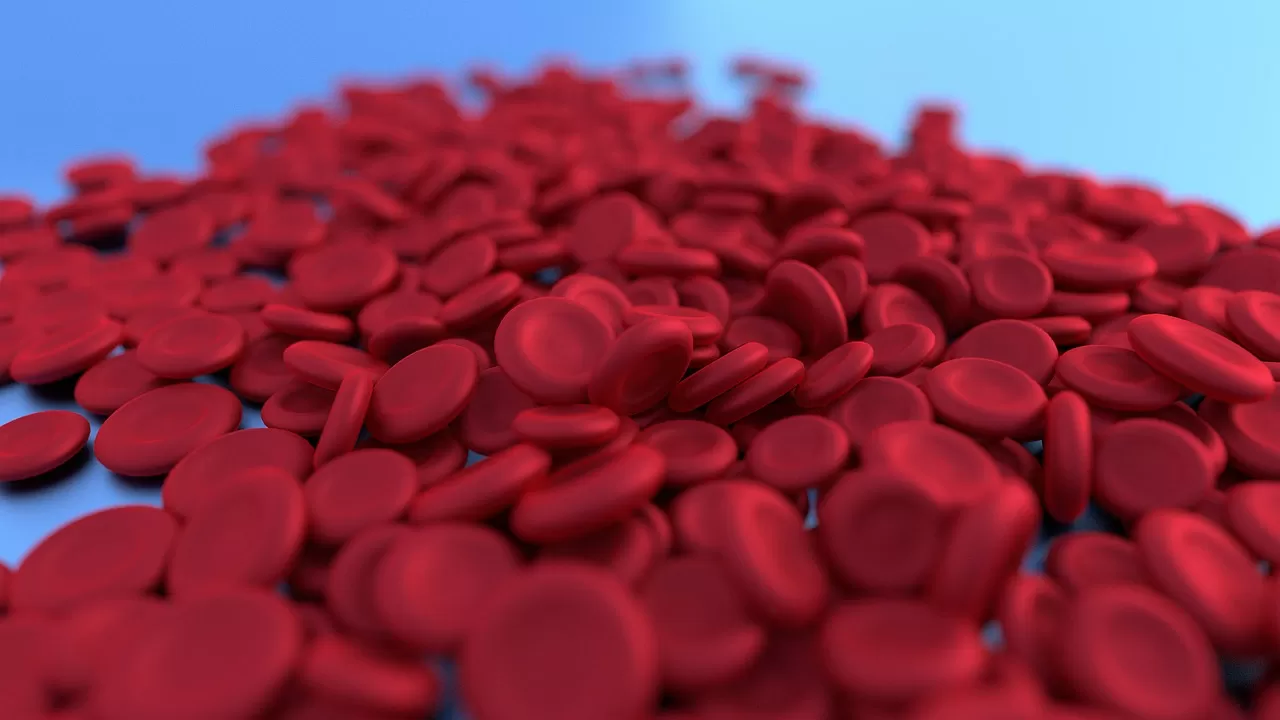
Anemia is a common condition that affects millions of people worldwide. It occurs when the body does not have enough healthy red blood cells to carry oxygen to the body’s tissues. This can lead to a variety of symptoms, including fatigue, weakness, and shortness of breath. In this article, we will explore how anemia, low red blood cells, and hemoglobin can reduce oxygen delivery, trigger fatigue, and impact daily energy. We will also discuss the importance of early testing and treatment for this condition.
To understand how anemia affects the body, we must first understand the role of red blood cells and hemoglobin. Red blood cells are responsible for carrying oxygen from the lungs to the rest of the body. Hemoglobin, a protein found in red blood cells, helps to bind and transport oxygen. When there is a deficiency in red blood cells or hemoglobin, the body does not receive enough oxygen, leading to anemia.
Anemia can be caused by various factors, including nutritional deficiencies, chronic diseases, and inherited disorders. Iron deficiency anemia is the most common type of anemia and occurs when the body does not have enough iron to produce hemoglobin. Other types of anemia include vitamin deficiency anemia, anemia of chronic disease, and sickle cell anemia.
One of the main symptoms of anemia is fatigue. This is because the body’s tissues do not receive enough oxygen to function properly. Without enough oxygen, the body’s cells cannot produce the energy needed to carry out daily activities. As a result, individuals with anemia may feel tired, weak, and have difficulty concentrating. This can significantly impact their daily energy levels and overall quality of life.
In addition to fatigue, anemia can also cause other symptoms such as shortness of breath, dizziness, and headaches. These symptoms can make it challenging to perform physical activities and can even affect mental health. Anemia can also lead to pale skin, brittle nails, and hair loss, which can impact self-esteem and confidence.
If left untreated, anemia can have serious consequences on an individual’s health. Severe anemia can lead to heart problems, including an irregular heartbeat, enlarged heart, and heart failure. It can also increase the risk of infections and affect the immune system’s ability to fight off diseases.
Early detection and treatment of anemia are crucial to prevent these complications and improve overall health and well-being. The first step in managing anemia is to undergo a blood test to determine the levels of red blood cells and hemoglobin in the body. This test is simple and painless and can be done at a doctor’s office or a laboratory.
Treatment for anemia depends on the underlying cause. In cases of iron deficiency anemia, iron supplements may be prescribed to increase the body’s iron levels. For other types of anemia, such as vitamin deficiency anemia, supplements or dietary changes may be recommended. In severe cases, blood transfusions may be necessary to increase the number of red blood cells in the body.
In addition to medical treatment, making lifestyle changes can also help manage anemia. Eating a well-balanced diet rich in iron, folate, and vitamin B12 can help prevent anemia. Foods such as leafy greens, red meat, and legumes are excellent sources of these nutrients. Regular exercise can also improve blood flow and increase energy levels.
In conclusion, anemia is a common condition that can significantly impact daily energy levels and overall health. It occurs when the body does not have enough red blood cells or hemoglobin to carry oxygen to the body’s tissues. Fatigue, weakness, and shortness of breath are common symptoms of anemia, and if left untreated, it can lead to serious health complications. Early detection and treatment are essential to managing anemia and improving overall well-being. If you experience any symptoms of anemia, it is crucial to consult a healthcare professional for proper diagnosis and treatment. Remember, taking care of your health is the first step towards a happy and fulfilling life.
