
Oil prices have taken a sharp and unexpected turn as Iran announced the opening of the Strait of Hormuz, a crucial oil shipping lane. This sudden decision has caused a dramatic drop in international benchmark Brent crude, which fell by 12 percent, and U.S. benchmark WTI, which plummeted by a staggering 14 percent as of Friday morning.
This news comes as a welcome relief for many countries and industries that have been struggling with the high oil prices caused by the ongoing war in Iran. The closure of the Strait of Hormuz, a major route for oil transportation, had sent prices skyrocketing, causing concerns for the global economy. However, with the reopening of the Strait, we can expect a significant drop in oil prices, bringing much-needed stability to the market.
The Strait of Hormuz is a vital passage for the world’s oil supply, with an estimated 20% of the world’s oil passing through it. Any disruption or closure of this route can have a significant impact on the global oil market, leading to an increase in prices. This was evident when tensions between the United States and Iran escalated earlier this year, and the Strait of Hormuz was temporarily closed, causing a surge in oil prices. However, with Iran’s recent decision to open the Strait, we can expect a reversal of this trend.
This move by Iran is a significant step towards easing tensions in the region and promoting stability in the global oil market. It also reflects a willingness on Iran’s part to cooperate with other countries and prioritize the well-being of the global economy.
The drop in oil prices will have a positive impact on various industries, especially those heavily reliant on oil, such as transportation, manufacturing, and agriculture. These industries have been struggling with the high cost of oil, which has affected their profitability and competitiveness. The drop in oil prices will provide much-needed relief and enable them to operate more efficiently, ultimately benefitting consumers.
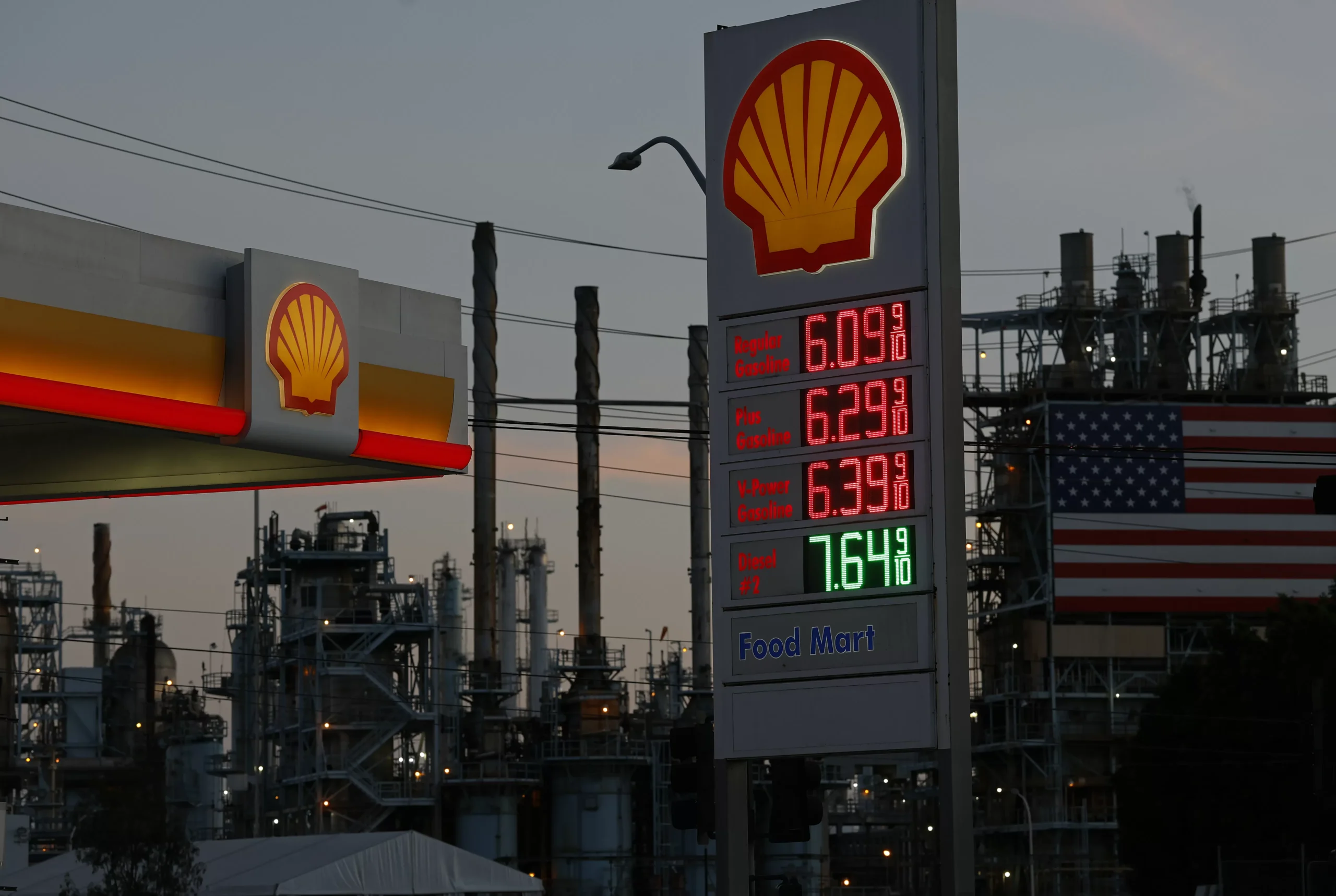
Moreover, the drop in oil prices will also have a positive effect on the average person’s daily life. It will lead to a decrease in gas prices, reducing the cost of commuting and travel expenses. This, in turn, will have a positive impact on the overall cost of living, providing much-needed relief for individuals and families.
The reopening of the Strait of Hormuz also sends a positive message to the international community, showcasing Iran’s willingness to cooperate and maintain peace in the region. This move can potentially lead to a decrease in tensions between Iran and other countries, promoting stability and prosperity in the region.
Furthermore, the drop in oil prices will also benefit developing countries that heavily rely on oil imports. The high cost of oil has been a significant burden for these countries, impacting their economic growth and development. With the drop in oil prices, these countries will have access to more affordable oil, enabling them to allocate resources towards other crucial areas, such as education and healthcare.
In conclusion, the reopening of the Strait of Hormuz has brought about a significant drop in oil prices, providing much-needed relief for various industries and individuals. It is a positive development that reflects Iran’s willingness to cooperate and promote stability in the global oil market. This move has the potential to ease tensions in the region and benefit both developed and developing countries. Let us hope that this trend continues, and we see a more stable and prosperous future for the global economy.
