
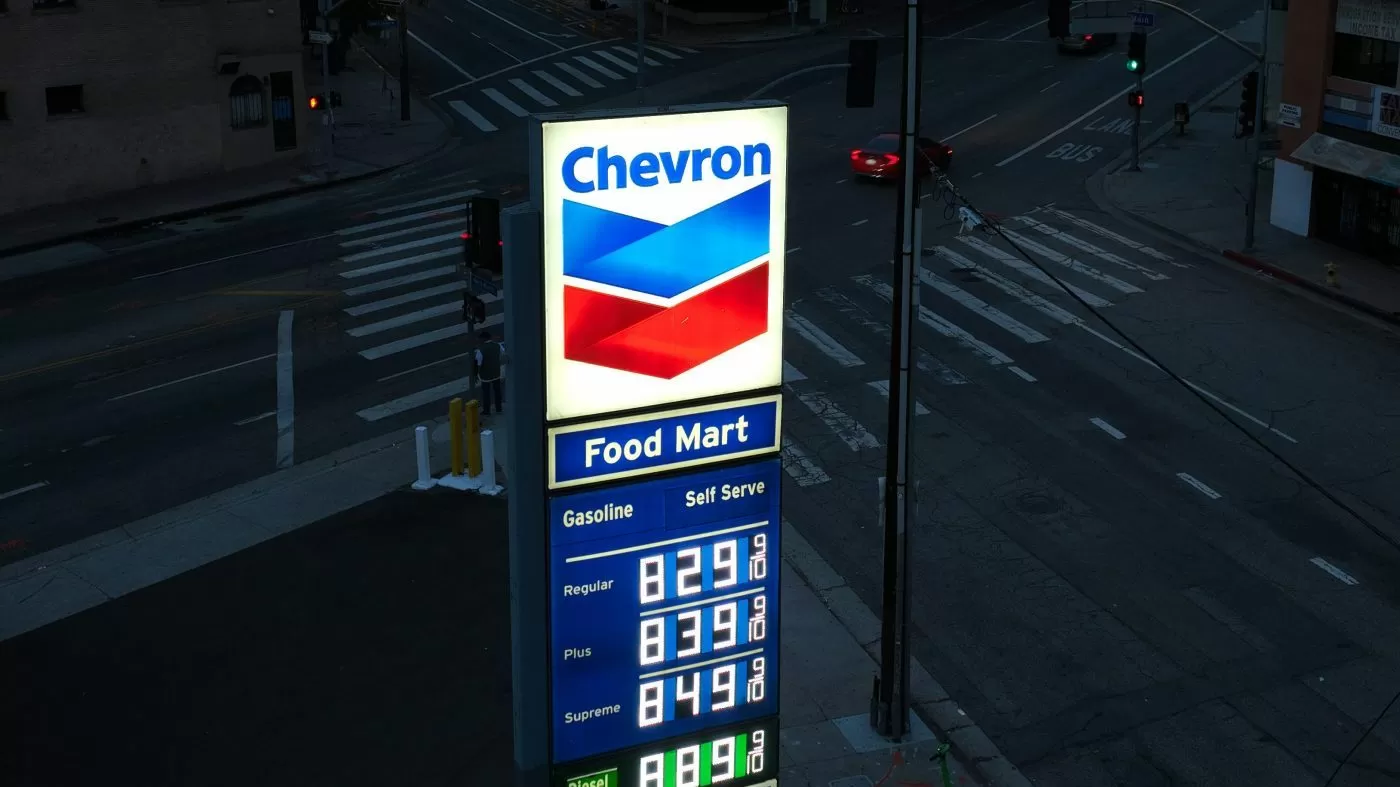
In the midst of rising tensions in the Middle East and the recent U.S. military operation in Iran, energy prices have once again become a hot topic of discussion. As the world’s demand for energy continues to increase, it is important for us to consider how we can play our part in conserving energy and reducing our impact on the environment.
Recently, Chevron executive Andy Walz spoke out about the importance of energy conservation during this time of uncertainty. In an interview with CBS News, Walz urged people to try driving less in order to offset the higher energy prices that may arise during this period.
“People should drive less. They should try to conserve energy,” Walz stated. “We should be doing that all the time, not just during times of crisis. Energy is essential for people’s lives, but it is also a limited resource. We must use it wisely and responsibly.”
These words from a top executive in the energy industry hold a lot of weight. It shows that even those in the business of producing and selling energy recognize the need for conservation. It is a reminder that we all have a role to play in preserving our planet for future generations.
The truth is, driving less is not a new concept. In fact, it is something that has been advocated for by environmentalists and scientists for years. However, in the face of rising energy prices and political tensions, it is easy to forget the impact that our everyday actions have on the environment.
But why should we care about conserving energy? The answer is simple – because it affects us all. Energy is a crucial part of our daily lives, from powering our homes and vehicles to running our businesses and industries. Any disruption in the supply or increase in prices can have a significant impact on our economy and our way of life.
Moreover, the production and consumption of energy also have a significant impact on the environment. The burning of fossil fuels, which is the primary source of energy, releases harmful greenhouse gases into the atmosphere, contributing to climate change. By driving less and conserving energy, we can reduce our carbon footprint and help mitigate the effects of climate change.
So, what can we do to drive less and conserve energy? It starts with small changes in our daily routine. Instead of driving to work every day, consider carpooling or taking public transportation. Not only does this reduce your carbon footprint, but it also saves you money on gas and parking fees. If you live close enough, consider walking or biking to your destination. It not only benefits the environment but also your health.
Another way to conserve energy is by being mindful of our energy usage at home. Simple actions like turning off lights and unplugging electronics when not in use, using energy-efficient appliances, and adjusting the thermostat can make a significant difference in our energy consumption.
In addition to individual actions, there is also a need for collective efforts to conserve energy. Governments and businesses must also play their part in promoting and investing in renewable energy sources. This not only reduces our reliance on fossil fuels but also creates new job opportunities and stimulates economic growth.
In conclusion, Andy Walz’s message is a wake-up call for all of us to take action and do our part in conserving energy. The recent events in the Middle East serve as a reminder that energy is a valuable and limited resource that we must use responsibly. By driving less and conserving energy, we not only help offset higher energy prices but also contribute to a more sustainable and healthier planet. Let us make it a habit to conserve energy, not just during times of crisis, but all the time.
