
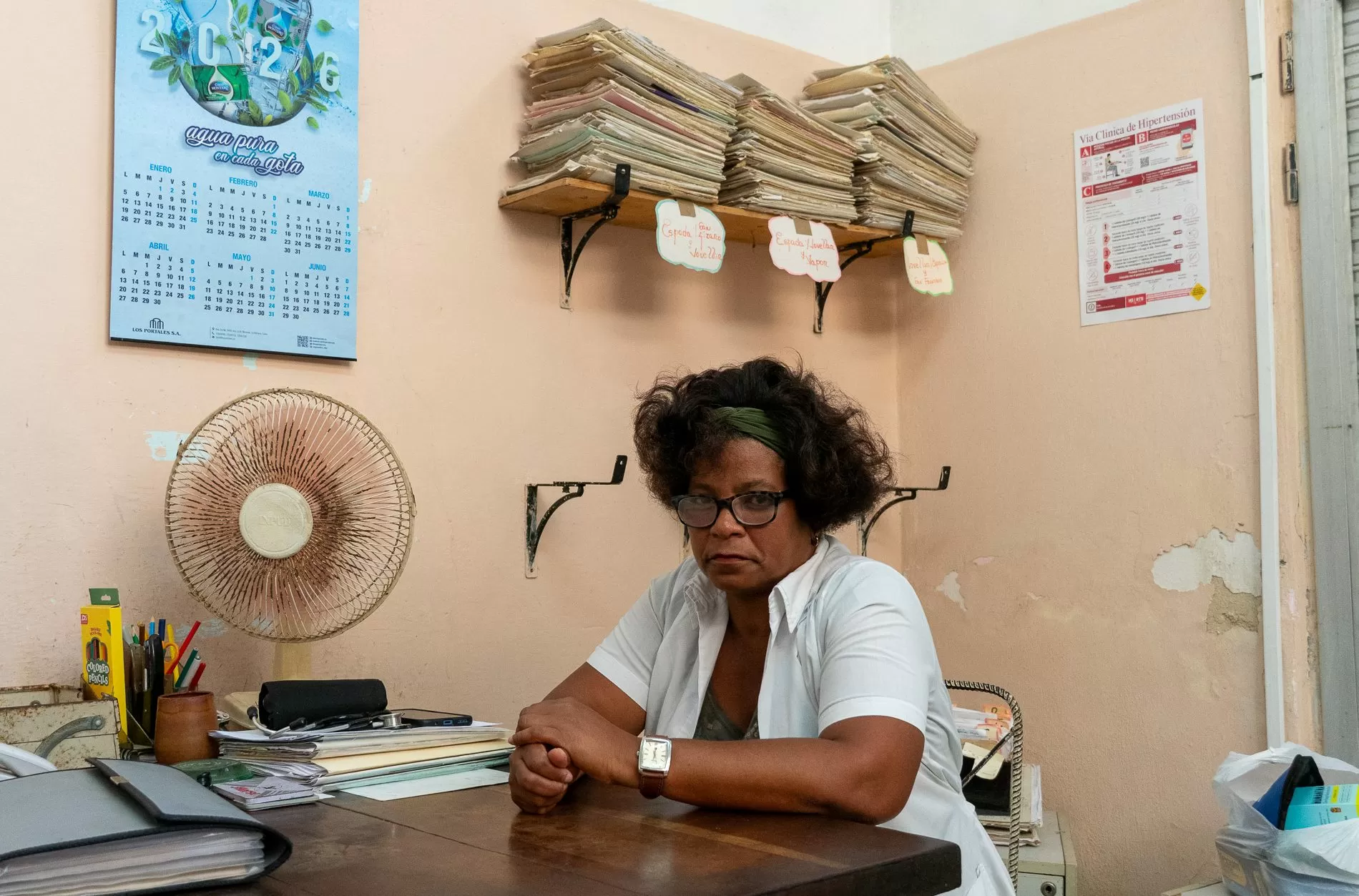
Cuba’s healthcare system has long been recognized as one of the best in the world, providing free and universal access to its citizens. However, in recent years, this once well-regarded system has been facing serious challenges, with many doctors and experts pointing the finger at the United States’ fuel blockade.
For decades, Cuba has been under a strict economic embargo imposed by the United States, which has severely limited its ability to import essential goods, including medical supplies and equipment. This has had a detrimental effect on the country’s healthcare system, leading to shortages and a decline in the quality of care.
One of the main issues facing Cuba’s healthcare system is the shortage of medical supplies. Due to the U.S. blockade, the country is unable to access the latest medical technology and equipment, making it difficult for doctors to provide the best possible care to their patients. This has also led to a shortage of essential medicines, making it challenging for doctors to treat certain diseases and conditions effectively.
In addition to shortages, the blockade has also resulted in a brain drain of medical professionals. Many doctors and nurses have left the country in search of better opportunities and higher salaries, leaving a significant gap in the healthcare workforce. This has put a strain on the remaining medical staff, who are overworked and underpaid.
The U.S. blockade has also hindered Cuba’s ability to conduct medical research and develop new treatments. Without access to the latest medical technology and equipment, the country’s scientists and researchers are limited in their ability to make significant advancements in the field of medicine. This not only affects the healthcare system in Cuba but also has a global impact, as the country has been known for its contributions to medical research and development.
Furthermore, the blockade has also affected Cuba’s ability to provide medical aid to other countries. The country has a long history of sending medical professionals to assist in disaster relief efforts and provide healthcare services to underserved communities around the world. However, due to the lack of resources caused by the U.S. blockade, Cuba’s ability to continue these humanitarian efforts has been severely limited.
Despite these challenges, Cuba’s healthcare system continues to strive to provide the best possible care to its citizens. The country has implemented various measures to address the shortages, including promoting the development of its own medical technology and increasing partnerships with other countries. Additionally, the government has also invested in the training and education of medical professionals to ensure a sustainable healthcare workforce.
Moreover, Cuba’s healthcare system has been praised for its emphasis on preventative care and community-based healthcare. The country has a strong network of primary healthcare clinics and community health workers who work to educate and promote healthy living practices within their communities. This approach has proven to be effective in reducing the prevalence of certain diseases and improving overall health outcomes.
In recent years, the U.S. blockade has faced increasing criticism from the international community, with many countries calling for its end. The United Nations General Assembly has repeatedly passed resolutions calling for the lifting of the embargo, citing its negative impact on the Cuban people, including their access to healthcare.
In conclusion, Cuba’s once well-regarded public healthcare system is facing significant challenges, with the U.S. fuel blockade being a major contributing factor. However, despite these obstacles, the country’s healthcare system continues to provide free and universal access to its citizens and has implemented various measures to address the shortages. It is time for the United States to lift the blockade and allow Cuba to fully realize its potential in providing quality healthcare to its people and the world.
