
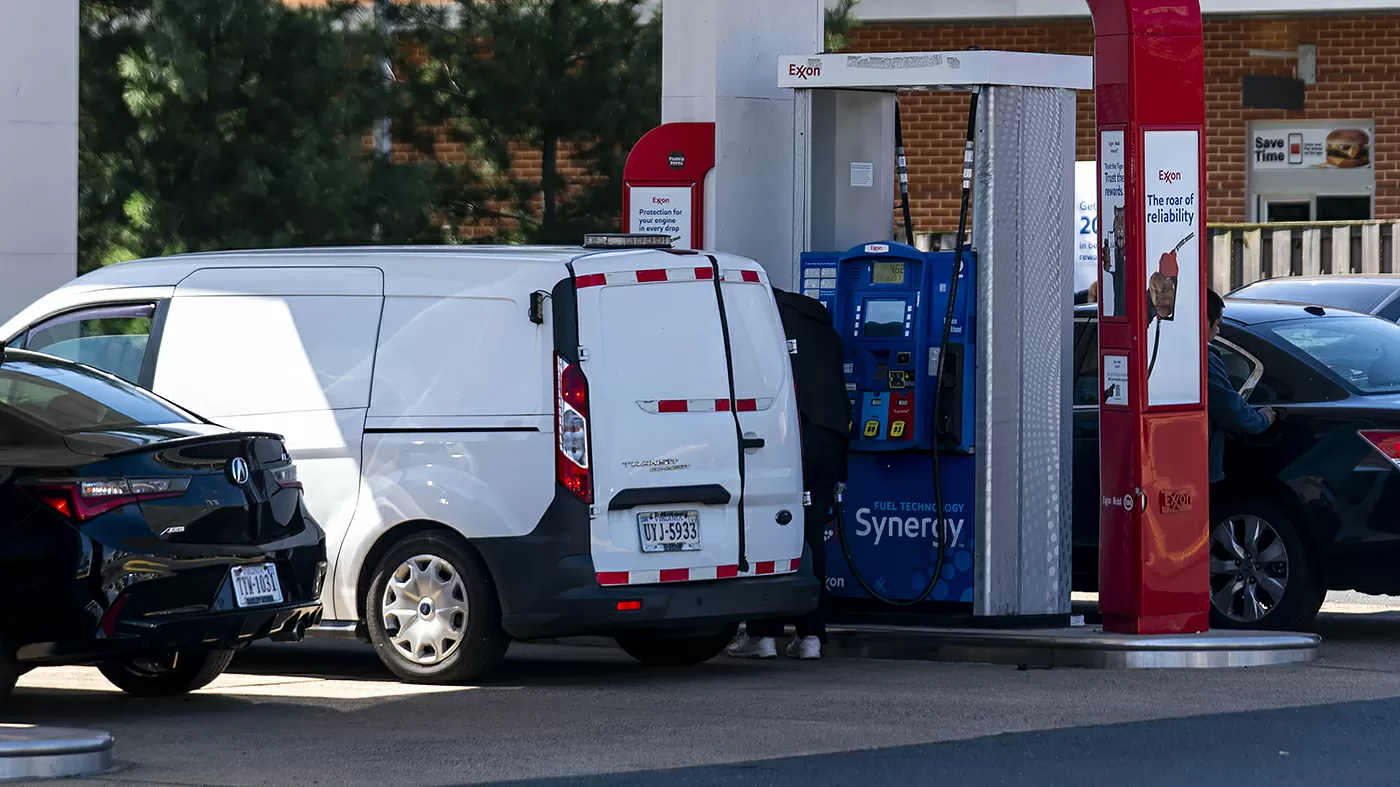
This week, the world has breathed a collective sigh of relief as the conflict between the United States and Iran seems to have reached a ceasefire. The tension that has been brewing between these two nations for months has caused fear and uncertainty, particularly in the oil market. However, the recent drop in oil prices has given consumers a glimmer of hope for some much-needed respite at the pump. While this may seem like a positive development, experts warn that the situation is still delicate and could easily escalate once again. In fact, many analysts believe that even in the long term, Iran may not be willing to give up its leverage over the Strait of Hormuz, a crucial oil choke point.
The recent tensions between the US and Iran have been largely centered around the issue of oil. Iran, a major oil-producing nation, has been facing severe economic sanctions from the US, crippling its oil exports and causing its economy to suffer. In response, Iran has made several threats to disrupt the flow of oil through the Strait of Hormuz, a narrow waterway that connects the Persian Gulf to the rest of the world. This strategic location makes it a crucial choke point for global oil trade, with almost 20% of the world’s oil passing through it.
With the ceasefire in place, the oil market has already seen a drop in prices, providing some much-needed relief for consumers. This decrease in prices can be attributed to the easing of tensions between the US and Iran, as well as the assurance that the flow of oil through the Strait of Hormuz will continue uninterrupted. However, experts warn that this may just be a temporary reprieve, as Iran may not be willing to give up its leverage over the Strait in the long run.
Iran has a history of using its control over the Strait of Hormuz as a bargaining chip in times of conflict. In the past, it has threatened to block the waterway in response to economic sanctions or military action. This has caused major disruptions in the oil market and has had a significant impact on global oil prices. With the recent ceasefire, Iran may see this as an opportunity to regain some of its lost economic power and leverage in the region.
Furthermore, Iran’s economy heavily relies on its oil exports, and the country is unlikely to give up its control over the Strait of Hormuz willingly. By maintaining its hold over this crucial waterway, Iran can continue to exert its influence on the global oil market and ensure a steady stream of revenue for its economy. As such, analysts believe that even in the long term, Iran may continue to use the Strait as a bargaining chip, making it difficult for oil prices to stabilize.
While the recent drop in oil prices is a welcome relief for consumers, it is important to note that this may just be a temporary situation. The ceasefire between the US and Iran is still fragile, and any escalation in tensions could lead to a significant increase in oil prices once again. Moreover, Iran’s control over the Strait of Hormuz remains a major concern, and the country may not be willing to give it up easily.
In conclusion, the recent drop in oil prices following the ceasefire between the US and Iran may provide some short-term relief for consumers at the pump. However, experts warn that this may just be a temporary situation, as Iran is unlikely to give up its control over the Strait of Hormuz in the long term. As such, it is important for the international community to continue to monitor the situation and work towards a long-term solution that ensures stability in the oil market. Only then can we truly see a lasting respite for consumers at the pump.
