
One Popular Supplement May Be Helping Cancer Survive, According to a New Study
Cancer is a devastating disease that affects millions of people worldwide. Despite advancements in medical research and treatment options, it continues to be a leading cause of death globally. In the fight against cancer, many people turn to supplements and alternative therapies in hopes of finding a cure or improving their chances of survival. However, a recent study has shed light on a surprising discovery – one popular supplement may actually be helping cancer cells survive.
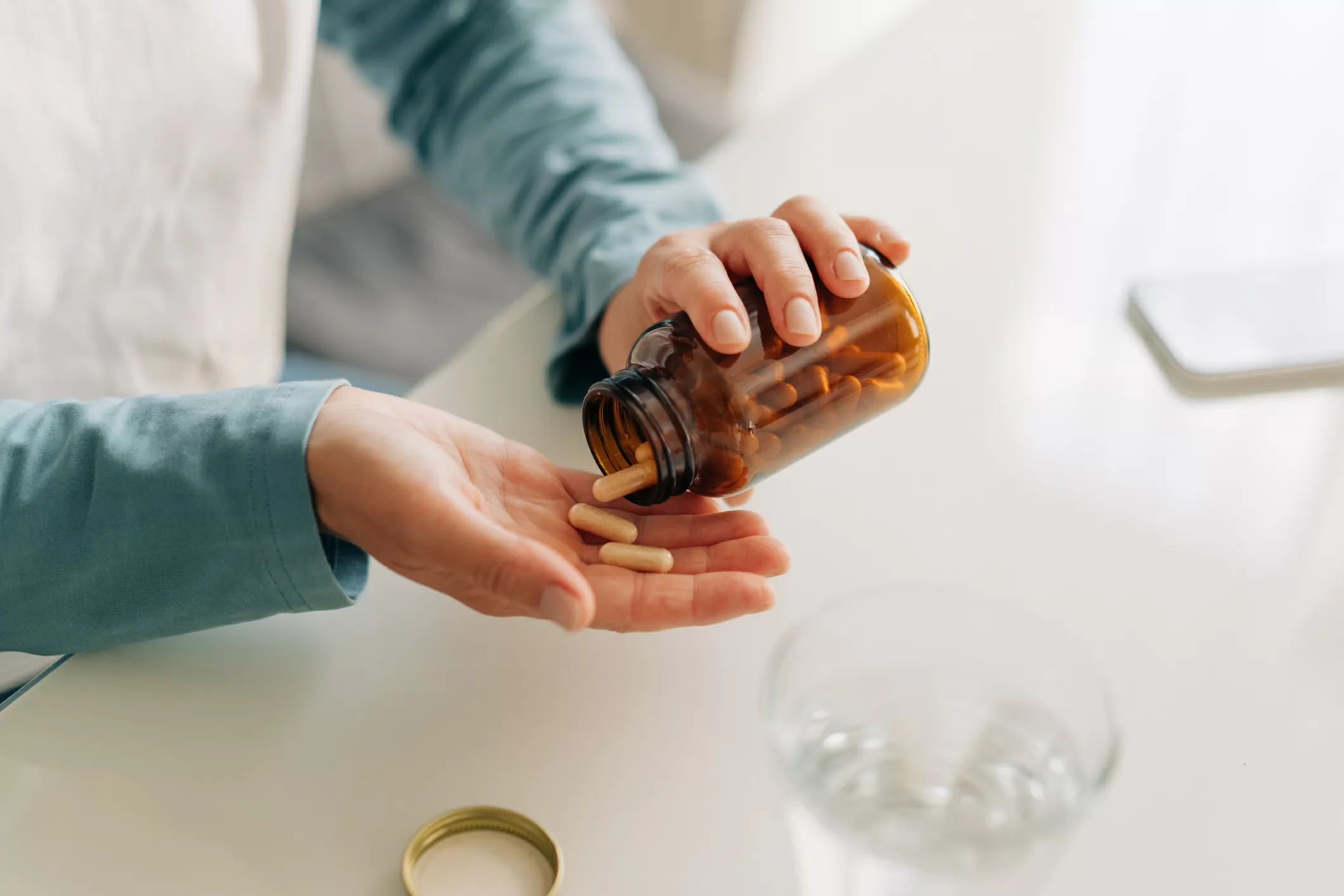
The supplement in question is Coenzyme Q10, also known as CoQ10. It is a naturally occurring compound found in every cell of the body and is essential for producing energy. CoQ10 is also available as a dietary supplement and is often marketed as a powerful antioxidant with numerous health benefits, including improving heart health and boosting the immune system.
But a new study conducted by researchers at the University of Texas Southwestern Medical Center has found that CoQ10 may have a darker side when it comes to cancer. The study, published in the journal Nature Communications, suggests that CoQ10 may be promoting the survival of cancer cells, making them more resistant to chemotherapy and other cancer treatments.
The researchers focused on a specific type of cancer known as squamous cell carcinoma, which is responsible for about 90% of head and neck cancers. They discovered that CoQ10 plays a crucial role in the production of energy in these cancer cells. By targeting the enzyme responsible for producing CoQ10, the researchers were able to reduce the growth of cancer cells and make them more susceptible to chemotherapy.
This finding is significant because it challenges the widely accepted belief that CoQ10 is a safe and beneficial supplement for cancer patients. In fact, many cancer patients take CoQ10 supplements in the hope of boosting their immune system and improving their overall health. But this study suggests that CoQ10 may be doing more harm than good in cancer patients.
The researchers also found that the levels of CoQ10 in cancer cells were much higher than in healthy cells, which could explain why cancer cells are more resistant to treatment. This is concerning because it means that CoQ10 may be actively helping cancer cells survive and thrive, making it even more challenging to treat the disease.
The study’s lead author, Dr. Ondrej Slaby, emphasized the need for further research to fully understand the role of CoQ10 in cancer. He stated, “Our findings highlight the importance of understanding how cancer cells produce energy and how this process can be targeted to develop effective treatments.”
This study is not the first to suggest a potential link between CoQ10 and cancer. Previous research has shown that CoQ10 may promote the growth of breast cancer cells and may also interfere with certain cancer treatments. However, this latest study is the first to provide a detailed explanation of how CoQ10 contributes to cancer cell survival.
The news of CoQ10 potentially aiding cancer cells may be disheartening for those who have been taking the supplement in hopes of improving their health. But it is essential to remember that this study is still in its early stages, and more research is needed to confirm the findings. Also, the study only focused on one type of cancer, and the results may not be applicable to other types of cancer.
In the meantime, cancer patients and those at risk of developing cancer should consult with their healthcare providers before taking CoQ10 or any other supplements. It is crucial to understand that supplements are not regulated by the FDA, and their safety and effectiveness may vary.
The study’s findings have also sparked a debate among healthcare professionals and researchers about the use of supplements in cancer patients. Some argue that supplements like CoQ10 may have potential health benefits and should not be dismissed entirely. Others believe that more research is needed to fully understand the risks and benefits of taking supplements in cancer patients.
In conclusion, the recent study on CoQ10’s potential role in aiding cancer cells has raised important questions and highlighted the need for further research. While the findings may be concerning, it is essential to remember that this is just one study, and more research is needed before any definitive conclusions can be drawn. In the meantime, it is crucial to consult with healthcare professionals and make informed decisions about supplement use, especially for those battling cancer.
