
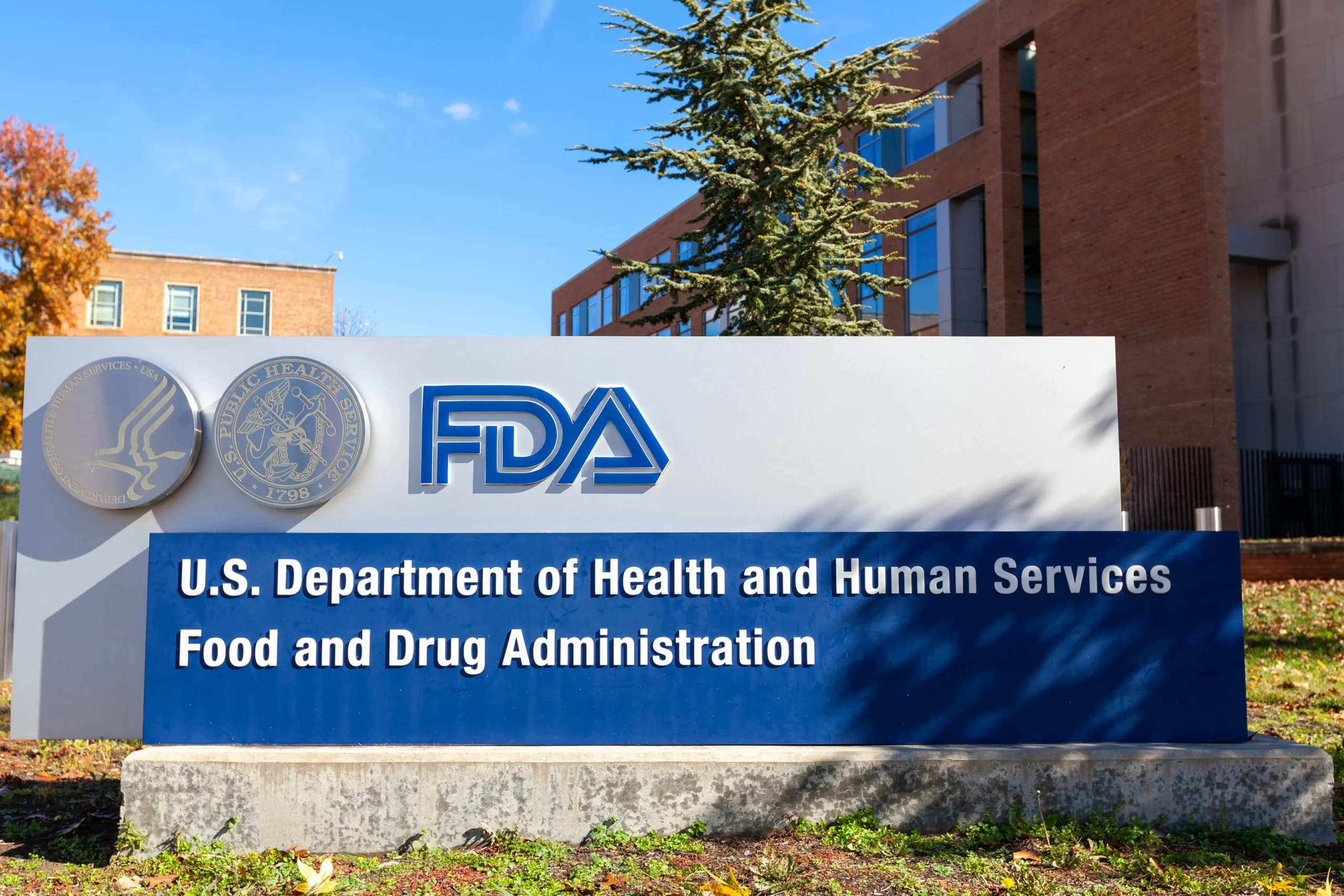
The Food and Drug Administration (FDA) is responsible for ensuring the safety of our nation’s food supply. However, recent criticism from the U.S. Public Interest Research Group (USPIRG) has shed light on potential delays in the FDA’s food recall process. This has raised concerns among the public about the effectiveness of the FDA in protecting consumers from potentially harmful food products.
The USPIRG, a non-profit organization that advocates for consumer protection, has released a report stating that the FDA has been slow in issuing food recalls. According to the report, the FDA took an average of 57 days to recall contaminated food products in 2019, which is a significant increase from the average of 42 days in 2016. This delay in the recall process can have serious consequences, as contaminated food can cause foodborne illnesses and even death.
The USPIRG has also criticized the FDA for not utilizing all the tools at its disposal to expedite the recall process. For instance, the FDA has the authority to issue mandatory recalls, but it has only used this power once in the past decade. The USPIRG believes that the FDA should use this authority more frequently to ensure timely recalls and protect public health.
The FDA has responded to these criticisms by stating that the delay in the recall process is due to the complexity of the food supply chain. The FDA has to work with multiple parties, including food manufacturers, distributors, and retailers, to identify and recall contaminated products. This process can take time, especially when the source of contamination is not immediately apparent.
However, the FDA has acknowledged the need for improvement and has taken steps to address the issue. In 2019, the FDA launched the New Era of Smarter Food Safety initiative, which aims to modernize the food safety system and improve the speed and effectiveness of food recalls. The initiative includes the use of new technologies, such as blockchain, to track and trace food products, making it easier to identify and recall contaminated items.
The FDA has also increased its collaboration with other government agencies, such as the Centers for Disease Control and Prevention (CDC) and the Department of Agriculture (USDA), to streamline the recall process. This partnership allows for a more coordinated and efficient response to food safety issues.
Despite the criticism from the USPIRG, it is important to note that the FDA has a strong track record in ensuring the safety of our food supply. In 2019, the FDA conducted over 8,000 food safety inspections and identified and prevented numerous potential food safety hazards. The FDA also works closely with food manufacturers to implement preventive measures, such as Hazard Analysis and Critical Control Points (HACCP), to minimize the risk of contamination.
Moreover, the FDA’s recall process is not the only line of defense against contaminated food. Consumers also play a crucial role in food safety by properly handling and preparing food, as well as reporting any suspected foodborne illnesses to the FDA.
In conclusion, while the FDA may face criticism from the USPIRG regarding delays in its food recall process, it is important to recognize the efforts and progress made by the FDA in ensuring the safety of our food supply. The FDA’s commitment to modernizing the food safety system and its collaboration with other government agencies demonstrate its dedication to protecting public health. As consumers, we must also do our part in practicing safe food handling and reporting any food safety concerns. Together, we can work towards a safer and healthier food supply for all.
