
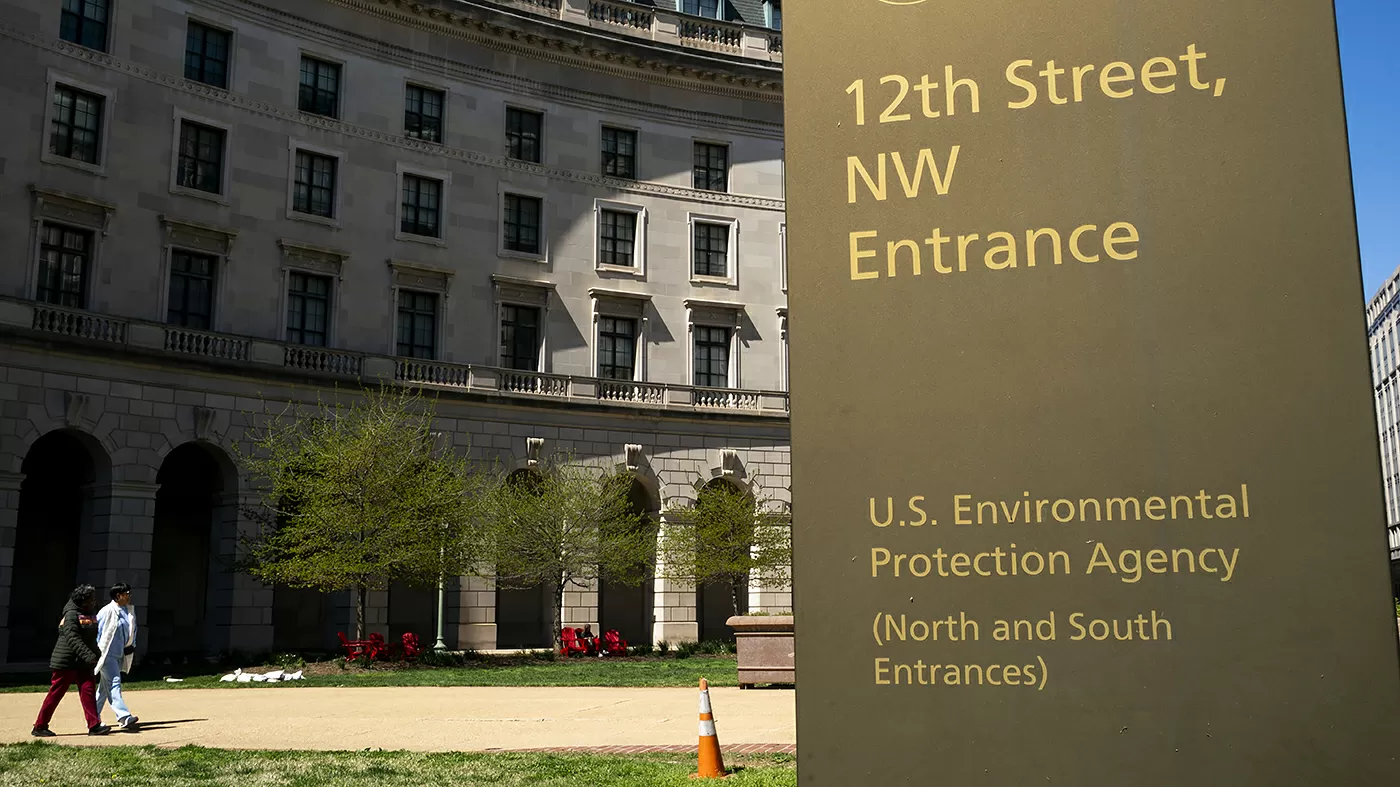
The Trump administration is considering proposals to make regulations on the disposal of coal plants’ toxic waste more flexible. This move has been met with mixed reactions from environmentalists and industry representatives alike. While some view it as a necessary step towards reducing the burden on coal companies, others are concerned about the potential impact on human health and the environment.
When coal is burned to produce power, it results in a waste known as “coal ash”. This waste contains various contaminants such as mercury and arsenic, making it toxic to both humans and the environment. Currently, coal ash is typically stored in large ponds, which have been the subject of much controversy in recent years.
Improper management of coal ash ponds can have serious consequences for groundwater and drinking water sources. In the past, there have been numerous cases of coal ash ponds leaking or overflowing, leading to contamination of nearby water sources. This has resulted in serious health issues for local communities, including increased cancer rates and birth defects.
The proposed changes to regulations on coal ash disposal would give power plant operators more flexibility in how they manage their coal ash waste. This could include alternative forms of disposal, such as recycling or using the waste as a construction material. The aim is to reduce the amount of coal ash stored in ponds and ultimately decrease the risk of contamination.
Supporters of these changes argue that they will provide much-needed relief to the struggling coal industry. Coal companies have long argued that the current regulations on coal ash disposal are costly and burdensome, and have led to job losses and plant closures. The proposed changes would allow them to find more cost-effective ways of managing their waste, while also reducing their environmental impact.
Furthermore, proponents of these changes also point out that the new regulations would still require power plant operators to meet certain safety and environmental standards. This means that even with more flexibility, companies would still have to adhere to strict guidelines to ensure that their waste is properly managed and does not pose a threat to the public.
However, critics of the proposed changes are concerned that they could weaken regulations and lead to increased pollution and health risks. They argue that giving companies more flexibility could result in them cutting corners and putting profits over the wellbeing of communities and the environment.
Environmental groups have also expressed concerns about the potential impact on already vulnerable communities. It is often low-income and minority communities that bear the brunt of coal ash pollution and its health consequences. By loosening regulations, these communities could be further exposed to toxic contaminants.
The decision to make regulations on coal ash disposal more flexible is still under consideration, and it is important to weigh both the potential benefits and risks. While it could provide relief to the coal industry, it is crucial to ensure that the health of communities and the environment is not compromised.
In the meantime, it is essential that strict monitoring and enforcement measures are in place to ensure that coal ash waste is properly managed and does not harm public health or the environment. Companies must also be held accountable for any violations and face repercussions for any negligence in managing their waste.
Ultimately, the issue of coal ash disposal highlights the need for a transition towards cleaner and more sustainable forms of energy. The reliance on coal for power generation has long been a contentious issue, and it is time to move towards renewable energy sources that do not produce toxic waste.
In conclusion, the proposed changes to regulations on coal ash disposal by the Trump administration have sparked a debate on the potential benefits and risks. While they could provide relief to the struggling coal industry, it is crucial to ensure that public health and the environment are not compromised. The focus should be on finding long-term solutions for sustainable energy production and proper disposal of toxic waste.
