
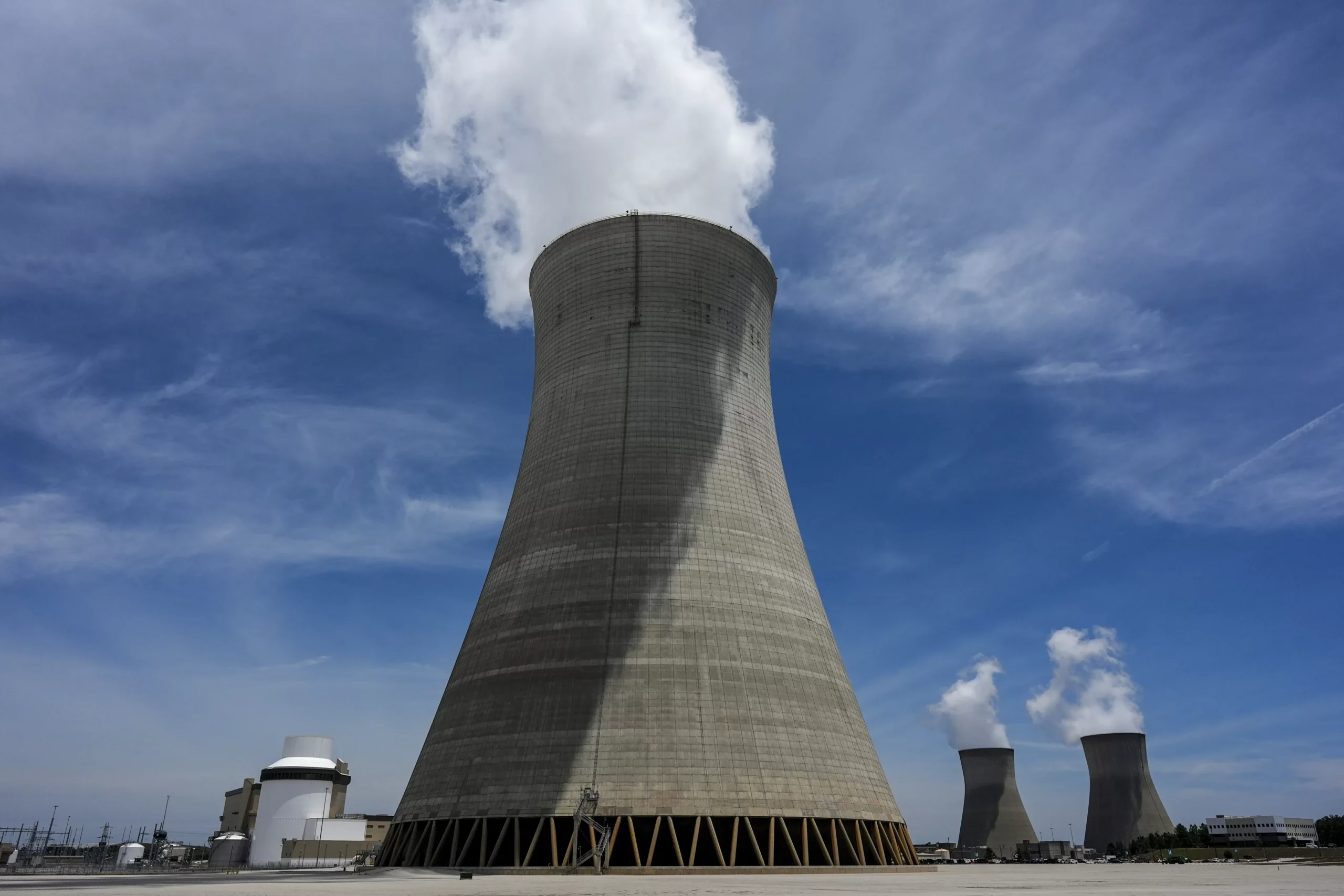
The Nuclear Regulatory Commission (NRC) has made a significant decision that will impact the safety and security of nuclear power plants in the United States. Last week, the commission voted to transition from agency-led security drills to company-led ones, in order to assess the readiness of the nuclear energy fleet in the face of potential attacks. This change has been met with both support and criticism, but ultimately, it is a positive step towards ensuring the safety of our nation’s nuclear power plants.
The drills in question, known as force-on-force exercises, are designed to simulate a real-life attack on a nuclear power plant. These exercises involve a team of mock intruders attempting to breach the plant’s security measures, while the plant’s security personnel and emergency responders work together to prevent and respond to the threat. These drills are crucial in evaluating the effectiveness of a plant’s security protocols and identifying any areas that may need improvement.
For years, the NRC has been responsible for leading these force-on-force exercises at nuclear power plants across the country. However, the commission has now decided to shift this responsibility to the companies that own and operate the plants. This decision has been met with some criticism, with concerns raised about the objectivity and thoroughness of company-led drills. However, the NRC has assured that they will still oversee and evaluate the exercises to ensure they meet the necessary standards.
So why the change? The NRC has stated that this transition is a result of their efforts to continuously improve and adapt to the ever-evolving landscape of nuclear security. By allowing companies to lead their own drills, the NRC hopes to encourage innovation and creativity in developing effective security measures. This change also aligns with the commission’s risk-informed and performance-based approach to regulating nuclear power plants.
Some may argue that this decision puts the safety of our nuclear power plants at risk. However, it is important to note that the NRC will still closely monitor and evaluate the drills, and companies will be required to meet strict standards set by the commission. In fact, this change may even lead to more rigorous and realistic drills, as companies will have a greater understanding of their own facilities and can tailor the exercises accordingly.
Moreover, this transition will also free up valuable resources for the NRC. By no longer leading these drills, the commission can focus on other important aspects of nuclear regulation, such as conducting inspections and reviewing safety protocols. This will ultimately lead to a more efficient and effective oversight of the nuclear energy fleet.
It is also worth mentioning that this change is not happening overnight. The NRC has stated that it will take several years for all nuclear power plants to transition to company-led drills. During this time, the commission will work closely with companies to ensure a smooth and successful transition. This gradual approach will allow for any necessary adjustments to be made and for any concerns to be addressed.
In conclusion, the NRC’s decision to transition to company-led security drills at nuclear power plants is a positive step towards enhancing the safety and security of these facilities. This change will encourage innovation and efficiency, while still maintaining strict standards and oversight from the NRC. As we continue to rely on nuclear energy as a crucial source of power, it is imperative that we continuously strive to improve and adapt to ensure the safety of our communities. And with this decision, the NRC has shown its commitment to doing just that.
