
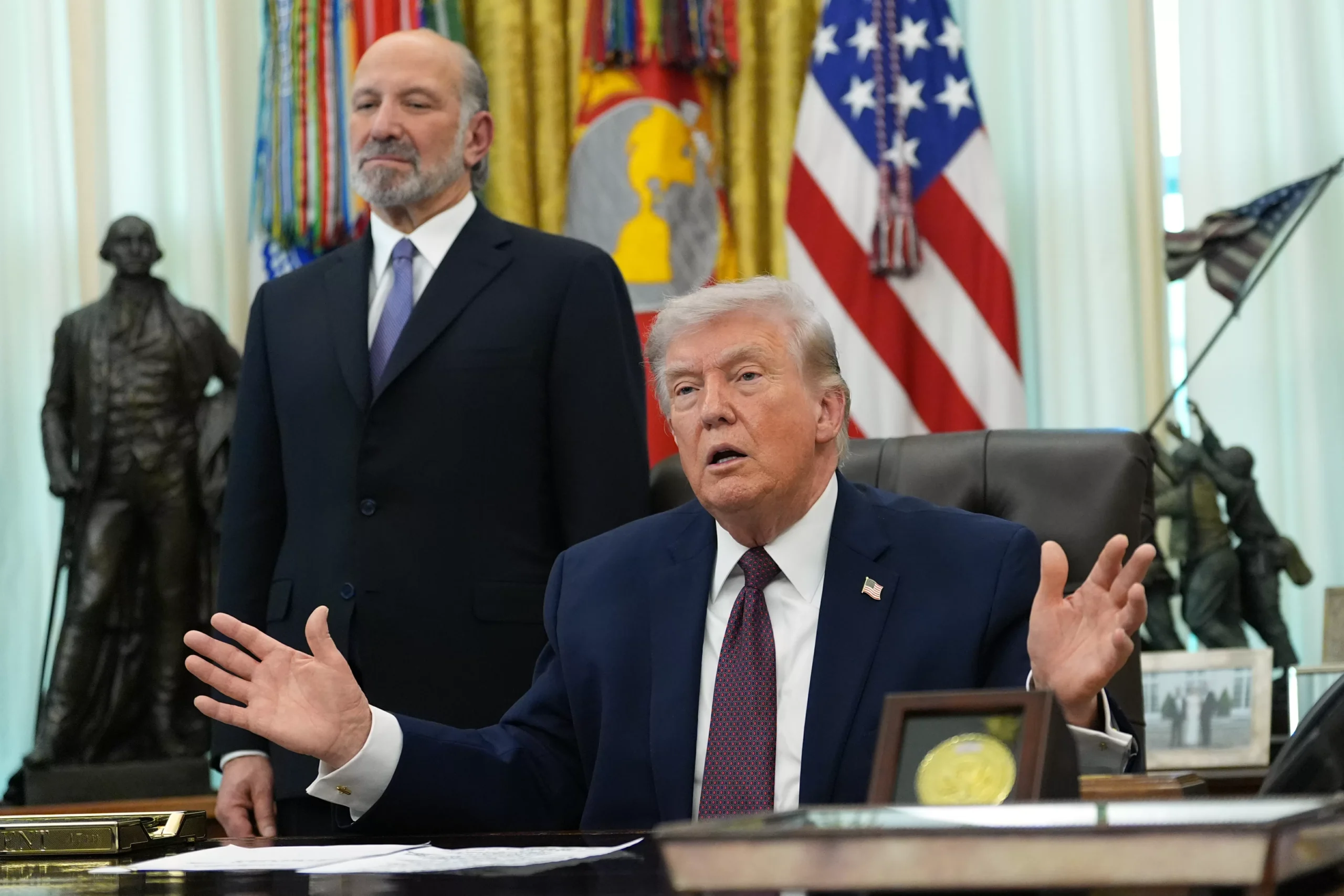
President Trump has recently taken a bold step towards addressing the rising drug prices in the United States. He has signed an executive order which aims to reduce the cost of prescription drugs and make them more affordable for American citizens. This move has set the stage for potential tariffs of up to 100% on certain drugs, while also offering exemptions for pharmaceutical companies who agree to pricing deals.
This executive order is a significant step towards fulfilling President Trump’s promise of lowering drug prices for Americans. The rising cost of prescription drugs has been a major concern for many Americans, especially for those with chronic illnesses who rely on medication for their daily well-being. Pharmaceutical companies have been criticized for their excessive pricing strategies, which have put a strain on the healthcare system and the pockets of American citizens.
Under this new order, the Department of Health and Human Services (HHS) has been directed to implement a “most-favored-nation” (MFN) policy, which would ensure that the prices paid by Medicare for certain drugs are no more than the lowest prices paid by other developed countries. This would effectively put an end to the practice of other countries benefiting from lower drug prices while American citizens bear the burden of higher costs.
President Trump’s order also includes a provision for a “favored-nation” pricing model, which would allow pharmaceutical companies to offer discounts directly to patients rather than through middlemen. This would give patients more control over their healthcare costs and encourage competition among drug companies to offer the best prices.
Furthermore, the executive order also addresses the issue of drug rebates, which are discounts given by pharmaceutical companies to middlemen such as pharmacy benefit managers (PBMs) and insurance companies. These rebates often lead to higher drug prices for patients, as they are not reflected in the final cost at the pharmacy counter. Under this new order, drug rebates would be redirected to patients at the point of sale, resulting in immediate savings for those who need it the most.
While the executive order has the potential to significantly reduce drug prices, it also includes provisions to protect patients who rely on certain life-saving medications. Pharmaceutical companies can apply for exemptions to the MFN policy for drugs that are deemed essential for public health or in cases where there are no competitors in the market. This ensures that patients who need critical medication will not be adversely affected by the potential tariffs.
President Trump’s bold move has already received praise from various healthcare organizations and patient advocacy groups. The American Medical Association (AMA) has commended the executive order, stating that it “could bring much-needed relief to patients facing significant out-of-pocket costs for prescription drugs.” The executive order has also been supported by the American Hospital Association, which believes that it will help address the issue of high drug prices and improve patient access to affordable medications.
In addition to lowering drug prices, President Trump’s executive order is also expected to boost innovation and research in the pharmaceutical industry. By creating a more competitive market, drug companies will be incentivized to develop more affordable and effective medications for patients. This will not only benefit American citizens but also have a positive impact on the global pharmaceutical market.
In conclusion, President Trump’s executive order is a significant step towards making prescription drugs more affordable for Americans. By setting the stage for potential tariffs and offering exemptions for pricing deals, the order aims to reduce the burden of high drug prices on American citizens. This move has been widely praised by the healthcare industry and is expected to have a positive impact on both patients and the pharmaceutical market.
