
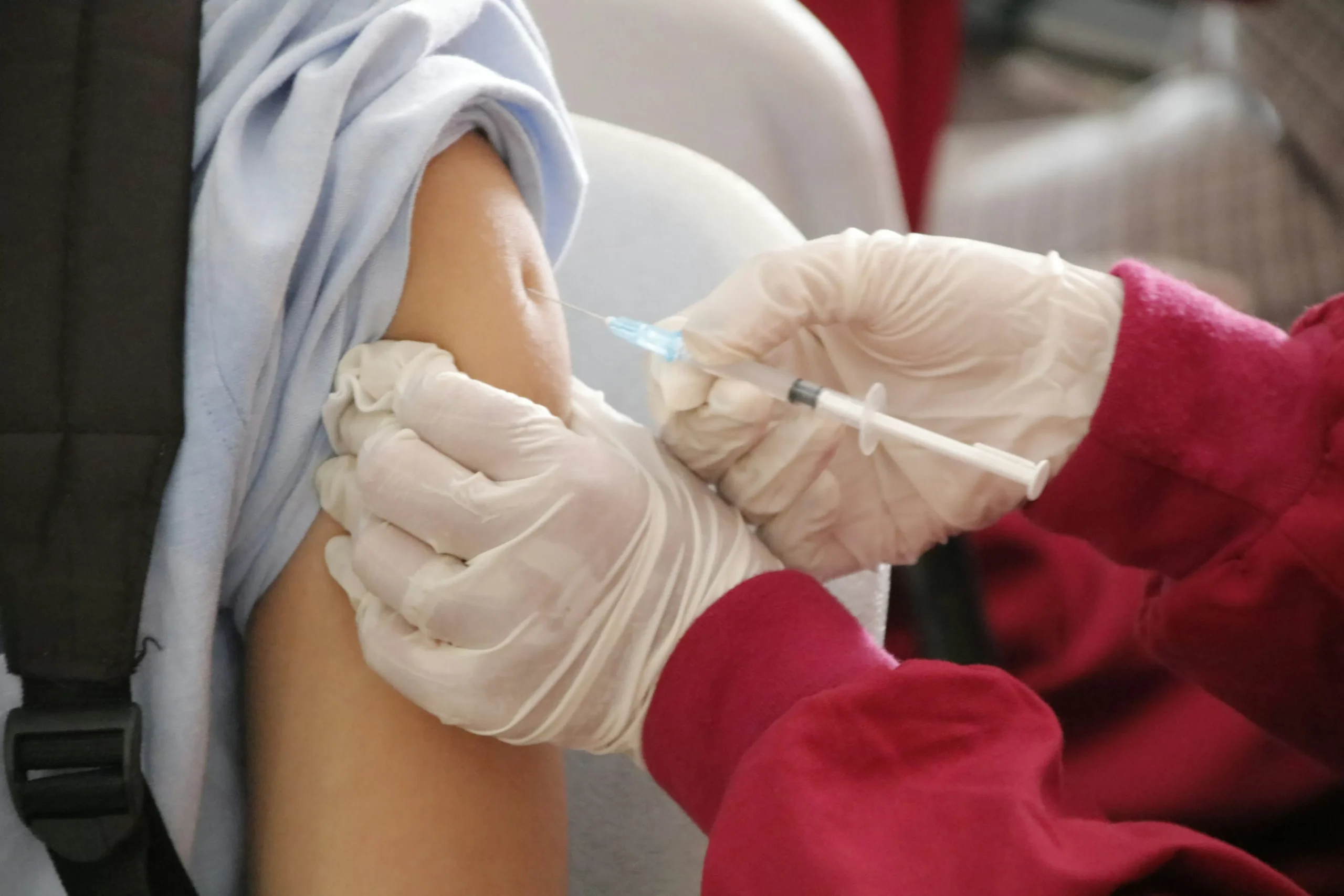
Vaccines have been a vital tool in protecting us from harmful diseases for decades. Thanks to the development of vaccines and immunization schedules, the world has made significant progress in eradicating various diseases and keeping our communities healthy. In recent years, vaccines have been the subject of many discussions, some of which have caused concerns about their safety and efficacy. In this article, we will be breaking down the basics of vaccines, explaining how they work, and addressing common misconceptions.
First and foremost, what is a vaccine? A vaccine is a medical product that helps the body build immunity against certain diseases by introducing a small, weakened or dead, form of the disease-causing agent into the body. This helps the body to develop antibodies and immune cells that can recognize and fight off the disease in case of an actual infection. In simpler terms, vaccines train our immune system, making it stronger and more prepared to combat diseases.
Now let’s talk about the immunization schedule. The immunization schedule is a predetermined timetable that outlines when specific vaccines should be administered to individuals of different age groups. It is designed to ensure that individuals receive the necessary vaccines at the right time to achieve maximum protection. The schedule is continually reviewed and updated by healthcare professionals and public health experts based on disease prevalence and vaccine availability.
It is important to note that vaccines are not only for children. Vaccines are equally important for adults as they help to prevent the spread of diseases in the community. As we age, our immunity weakens, making us more susceptible to diseases. By keeping up with the immunization schedule, we can protect ourselves and our loved ones from vaccine-preventable illnesses.
One aspect that has caused concern among individuals is the safety of vaccines. It is understandable to have concerns about any medical product that is introduced into our bodies. However, vaccines undergo rigorous testing and evaluation before they are approved for public use. These safety measures are in place to ensure that vaccines are safe and effective for individuals of all age groups. Before being approved, vaccines are tested in clinical trials involving thousands of volunteers to ensure their safety and effectiveness. Even after approval, vaccines are continually monitored for any potential side effects.
In recent years, there has been an introduction of a new type of vaccine – mRNA vaccines. These vaccines use the genetic material of the virus, known as messenger RNA, to teach our cells how to produce a protein that triggers an immune response. This technology provides an effective and safe way to develop vaccines quickly. mRNA vaccines do not contain any live or weakened forms of the virus, making them safe for individuals with weakened immune systems. They have been extensively studied and have proven to be highly effective in protecting against diseases such as COVID-19.
One of the greatest benefits of vaccines is herd immunity. Herd immunity, also known as community immunity, is when a significant portion of the population is immune to a specific disease, making it difficult for diseases to spread. This not only protects those who cannot receive vaccines due to medical reasons but also provides long-term protection against diseases. For example, smallpox was eradicated globally due to widespread vaccination efforts, and polio is now on the brink of eradication thanks to vaccines.
It is crucial to understand that vaccines not only protect individuals but also the community as a whole. By getting vaccinated, we not only safeguard ourselves but also prevent the spread of diseases to the most vulnerable members of our society. This is especially important for diseases that can cause severe complications and even death, such as measles, mumps, and rubella.
In conclusion, vaccines have proven to be an effective and safe way to protect individuals from harmful diseases. Vaccines undergo extensive testing and monitoring to ensure their safety and effectiveness, and the immunization schedule is designed to provide the best protection for individuals of all ages. With the introduction of new technologies such as mRNA vaccines, we can continue to make progress in eradicating diseases and protecting our communities. So let’s do our part to stay healthy and protect those around us by keeping up with the recommended vaccines. Remember, prevention is always better than cure. Stay informed, stay healthy, and get vaccinated.
