
Prediabetes is a condition that is characterized by higher than normal blood sugar levels, but not high enough for a diagnosis of Type 2 diabetes. According to the Centers for Disease Control and Prevention (CDC), approximately 88 million adults in the United States have prediabetes, and 84% of them are unaware of it. If left untreated, prediabetes can develop into Type 2 diabetes, a serious chronic disease that affects millions of people worldwide. However, the good news is that with lifestyle changes and proper management, prediabetes can be controlled and even reversed.
Diet, exercise, and monitoring are three crucial components to managing prediabetes and reducing the risk of developing Type 2 diabetes. These proven lifestyle strategies are also the foundation of the Diabetes Prevention Program (DPP), a scientifically-proven program aimed at preventing or delaying Type 2 diabetes in those at high risk.
Diet plays a vital role in managing prediabetes. It is important to understand that there is no one-size-fits-all diet for prediabetes management. Each person’s dietary needs are unique, and it is essential to work with a healthcare professional to create an individualized plan. A balanced and healthy diet rich in whole grains, fruits, vegetables, lean proteins, and healthy fats can help in maintaining stable blood sugar levels. It is also crucial to limit or avoid foods high in added sugars, saturated and trans fats, and salt.
In addition to a healthy diet, regular exercise is essential for managing prediabetes. Physical activity helps the body use insulin effectively, which can lower blood sugar levels. It can also help with weight management, as obesity is a risk factor for developing Type 2 diabetes. The CDC recommends at least 150 minutes of moderate-intensity exercise, such as brisk walking, per week. This can be broken down into 30 minutes of activity, five days a week. It is also important to incorporate strength training exercises at least two days a week to build muscle and increase metabolism.
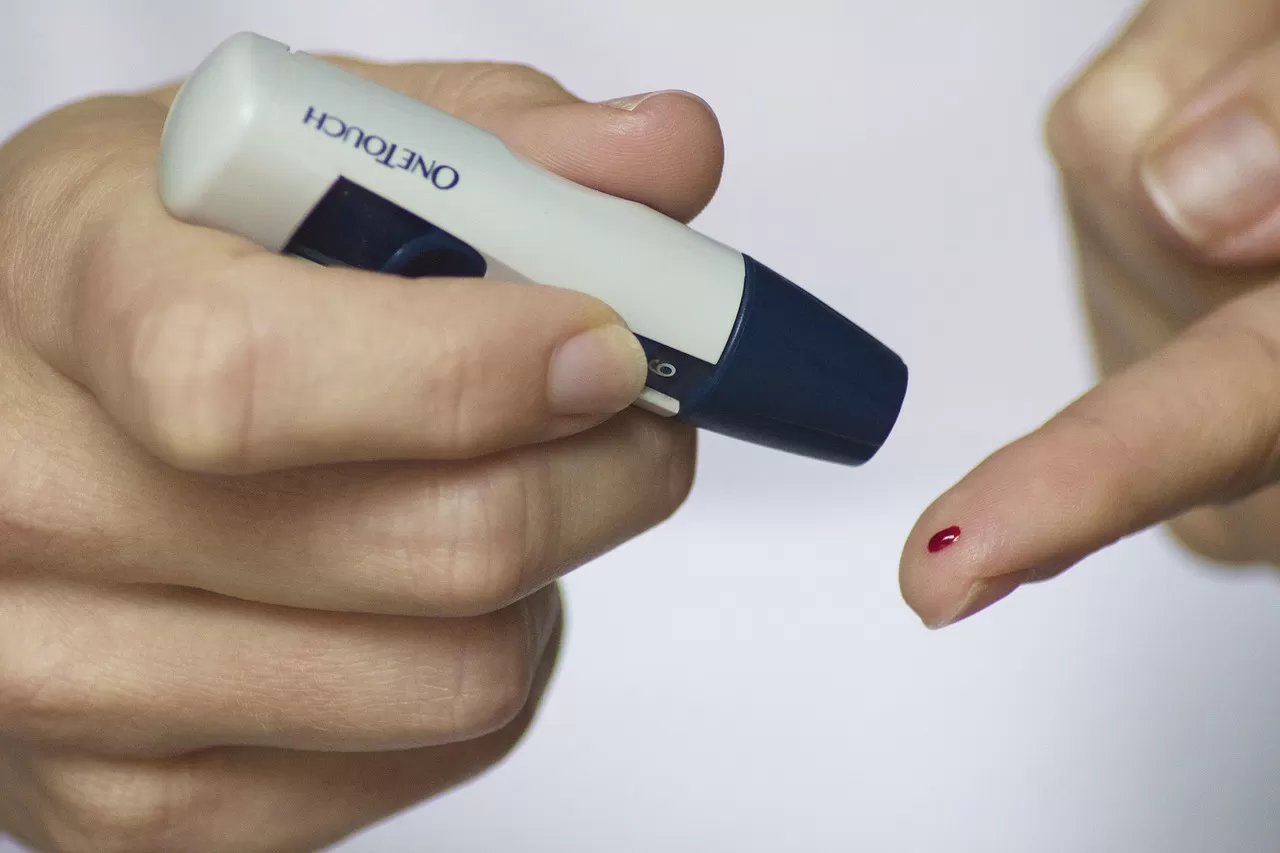
Moreover, monitoring blood sugar levels is crucial for managing prediabetes. People with prediabetes are at a higher risk of developing Type 2 diabetes, and monitoring their blood sugar levels can help in catching any changes early on. This can be done through regular blood tests or by using a continuous glucose monitoring (CGM) device. CGMs are small, wearable devices that track blood sugar levels continuously and provide real-time data, allowing for better management of blood sugar levels.
The Diabetes Prevention Program (DPP) is an evidence-based lifestyle change program that has been shown to reduce the risk of developing Type 2 diabetes by 58% in those with prediabetes. The program focuses on healthy eating, physical activity, and behavior modification to achieve and maintain a 7% weight loss. The program also provides participants with support and guidance from a trained lifestyle coach to help them make sustainable lifestyle changes.
One of the key benefits of the DPP is that it promotes a holistic approach to managing prediabetes. It not only focuses on diet and exercise but also addresses the psychological and emotional aspects of living with a chronic disease. The program helps individuals set realistic goals and provides them with the tools and resources to achieve them. It also creates a supportive community where individuals can share their struggles, successes, and get support from others going through a similar journey.
In conclusion, diet, exercise, and monitoring are essential for managing prediabetes and reducing the risk of developing Type 2 diabetes. These lifestyle strategies, along with the DPP, have been proven to be effective in preventing or delaying the onset of Type 2 diabetes. By making small but significant changes in our daily habits, we can take control of our health and reduce the risk of developing a chronic disease. Remember, it is never too late to make positive lifestyle changes for a healthier and happier life. So let’s start today and take the first step towards a better future.
