
Diverticulitis is a common digestive condition that affects millions of people worldwide. It occurs when small pouches, called diverticula, form in the lining of the colon and become inflamed or infected. While the exact cause of diverticulitis is still unknown, it is believed that a low-fiber diet and poor colon health play a significant role in its development.
If you have been diagnosed with diverticulitis, you may be wondering what changes you can make to your diet to ease symptoms and support long-term digestive comfort. The good news is that there is an evidence-based Diverticulitis Diet Guide that can help you manage this condition and improve your overall colon health.
Fiber Progression: The Key to Managing Diverticulitis
One of the main recommendations for managing diverticulitis is to gradually increase your fiber intake. Fiber is a type of carbohydrate that is found in plant-based foods, such as fruits, vegetables, whole grains, and legumes. It is essential for maintaining a healthy digestive system and preventing constipation, which can worsen diverticulitis symptoms.
However, it is crucial to note that increasing your fiber intake too quickly can actually worsen diverticulitis symptoms. This is why a gradual fiber progression is recommended. Start by adding small amounts of fiber-rich foods to your diet and gradually increase the amount over several weeks. This will give your digestive system time to adjust and prevent any discomfort.
Diverticular Disease: What to Eat and What to Avoid
When it comes to diverticulitis, there are certain foods that can help ease symptoms and others that can trigger flare-ups. Here is a breakdown of what to eat and what to avoid:
Foods to Eat:
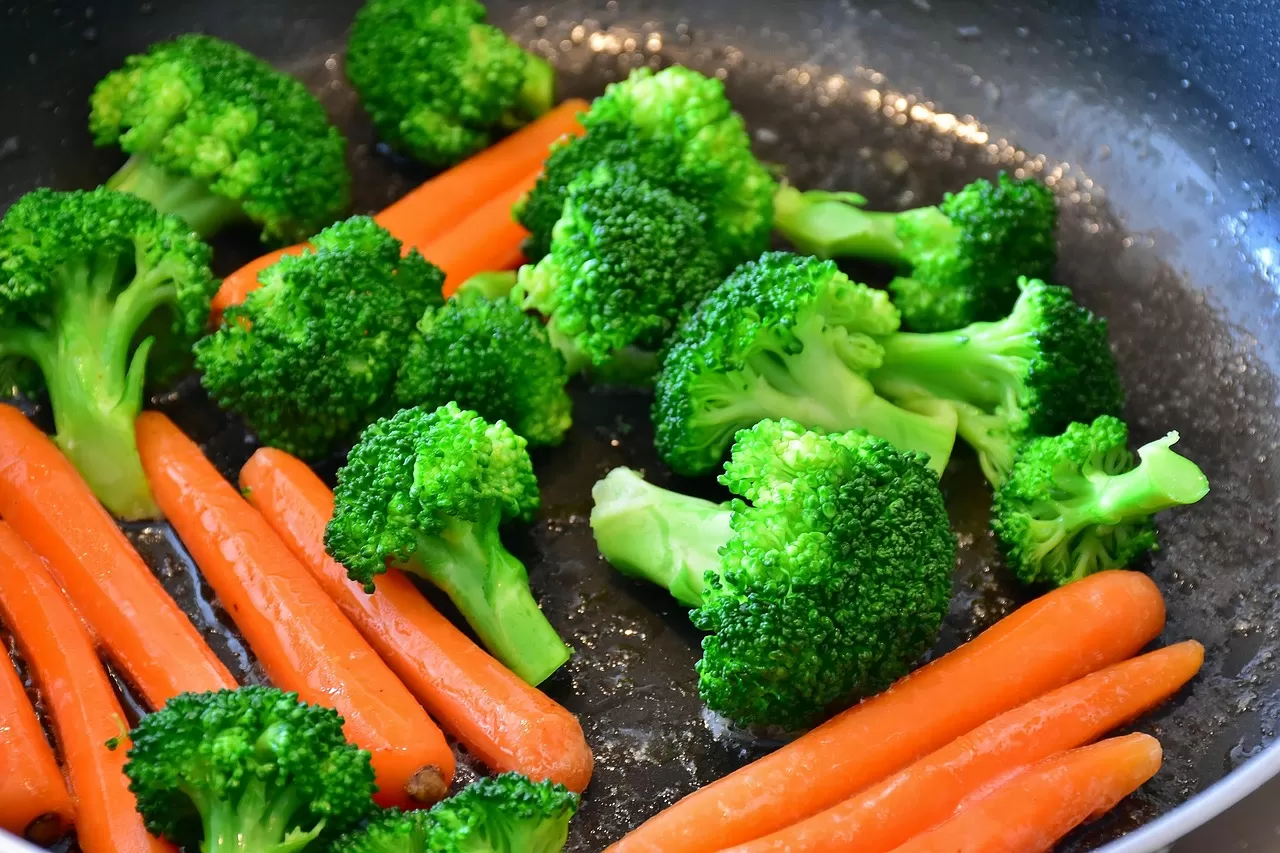
– High-fiber foods: As mentioned earlier, fiber is crucial for managing diverticulitis. Aim to include at least 25-30 grams of fiber in your daily diet. Some examples of high-fiber foods include whole grains, fruits, vegetables, and legumes.
– Probiotic-rich foods: Probiotics are beneficial bacteria that can help improve the balance of bacteria in your gut. This can help reduce inflammation and improve overall colon health. Some probiotic-rich foods include yogurt, kefir, sauerkraut, and kimchi.
– Healthy fats: Healthy fats, such as those found in avocados, nuts, and olive oil, can help reduce inflammation and promote healing in the colon.
Foods to Avoid:
– Low-fiber foods: Processed foods, white bread, and white rice are low in fiber and can worsen diverticulitis symptoms. Avoid these foods and opt for whole grain alternatives instead.
– Spicy foods: Spicy foods can irritate the lining of the colon and trigger flare-ups. It is best to avoid them if you have diverticulitis.
– Red meat: Red meat is high in fat and can be difficult to digest, which can aggravate diverticulitis symptoms. Limit your intake and opt for lean protein sources, such as chicken, fish, and tofu, instead.
Colon Health: Tips for Supporting Long-Term Digestive Comfort
In addition to following a diverticulitis-friendly diet, there are other steps you can take to support long-term colon health and prevent flare-ups. Here are some practical tips to keep in mind:
– Stay hydrated: Drinking enough water is crucial for maintaining regular bowel movements and preventing constipation. Aim to drink at least 8-10 glasses of water per day.
– Exercise regularly: Regular physical activity can help improve digestion and reduce inflammation in the colon. Aim for at least 30 minutes of moderate exercise, such as walking, cycling, or swimming, each day.
– Manage stress: Stress can worsen digestive symptoms, so it is essential to find ways to manage it. Some effective stress-relieving techniques include yoga, meditation, and deep breathing exercises.
– Take your medications as prescribed: If your doctor has prescribed any medications for your diverticulitis, make sure to take them as directed. This will help manage symptoms and prevent flare-ups.
In conclusion, following an evidence-based Diverticulitis Diet Guide can help ease symptoms and support long-term digestive comfort. Remember to gradually increase your fiber intake, choose the right foods, and take steps to improve your colon health. With these practical tips, you can manage your diverticulitis and enjoy a healthier digestive system.
