
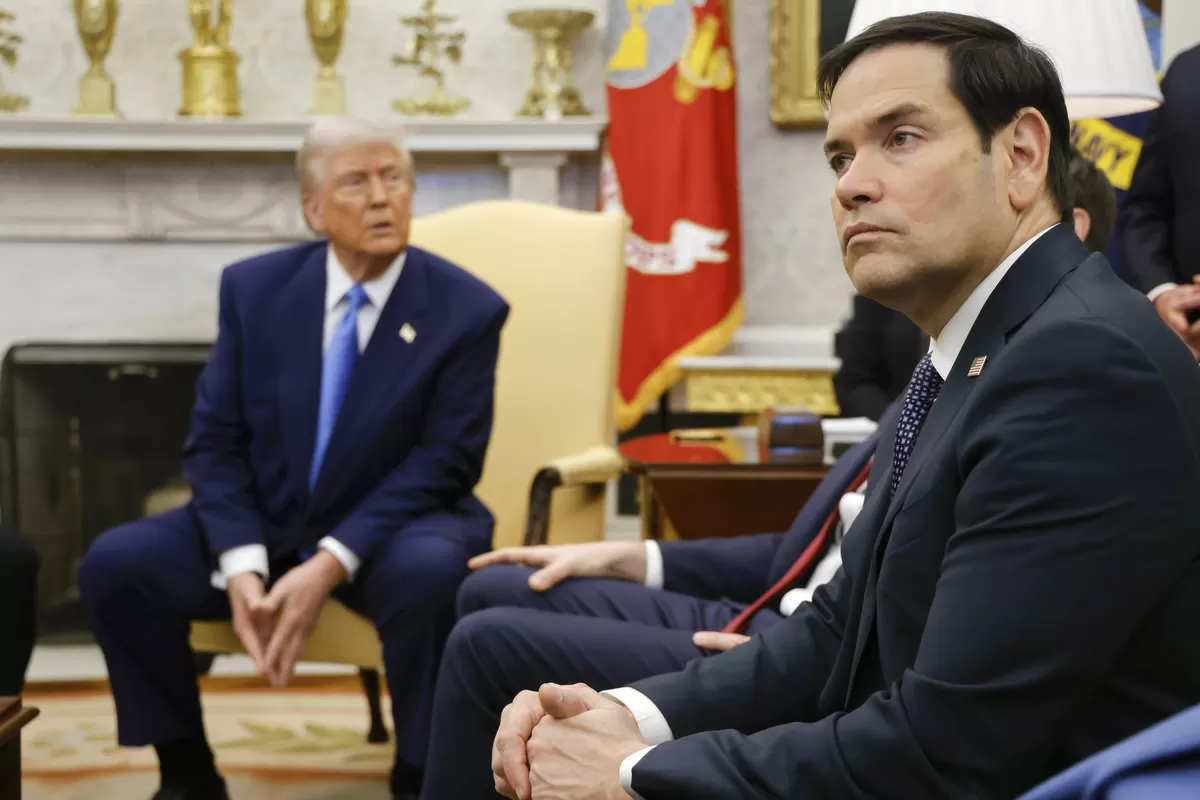
The recent strikes on Iran by the United States have caused a significant rift between the U.S. and many of its European allies in NATO. For more than four weeks, tensions have been rising as the U.S. continues to take aggressive actions against Iran, causing concern and division among its allies.
The strikes, which were carried out in response to Iran’s alleged involvement in attacks on oil tankers in the Gulf of Oman, have been met with mixed reactions from European leaders. While some have expressed support for the U.S.’s actions, others have condemned them as reckless and potentially escalating the situation further.
This divide between the U.S. and its European allies has been evident in recent NATO meetings, where discussions about the strikes and their implications have dominated the agenda. The U.S. has defended its actions as necessary for maintaining peace and stability in the region, while European leaders have expressed concern about the potential consequences of such aggressive actions.
One of the main concerns among European allies is the fear of a potential military conflict with Iran. Many European countries have strong economic ties with Iran and are worried about the impact of a war on their economies. They also fear that a military conflict could have severe humanitarian consequences and lead to a refugee crisis.
Moreover, the strikes have also highlighted the differing approaches to foreign policy between the U.S. and its European allies. While the U.S. has taken a hardline stance towards Iran, many European countries have been working towards finding a diplomatic solution to the tensions in the region. This difference in approach has caused a strain on the relationship between the U.S. and its allies, and has raised questions about the future of NATO’s unity.
The U.S.’s decision to withdraw from the Iran nuclear deal in 2018 has also contributed to the growing divide between the U.S. and its European allies. The deal, which was signed by the U.S., Iran, and several European countries, aimed to limit Iran’s nuclear program in exchange for lifting economic sanctions. The U.S.’s withdrawal from the deal and subsequent re-imposition of sanctions have caused frustration and disappointment among European leaders, who believe that the deal was an essential step towards maintaining peace and stability in the region.
The strikes on Iran have also sparked anti-American sentiments in Europe, with many citizens and politicians expressing their disapproval of the U.S.’s actions. This has put pressure on European leaders to take a stronger stance against the U.S. and to distance themselves from its foreign policy decisions.
The divide between the U.S. and its European allies is concerning, as it weakens the unity and strength of NATO. The alliance was formed to promote peace and security, and it is essential that its members work together towards common goals. The current tensions between the U.S. and its allies in NATO only serve to benefit those who seek to undermine the alliance and its values.
It is crucial for the U.S. and its European allies to find a way to bridge this divide and work towards a mutually beneficial solution. This can only be achieved through open and constructive dialogue, where all parties listen to each other’s perspectives and concerns. It is also essential for the U.S. to consider the potential consequences of its actions and to work towards finding a diplomatic solution to the tensions with Iran.
In conclusion, the strikes on Iran have caused a significant rift between the U.S. and its European allies in NATO. This divide is concerning and has the potential to weaken the alliance and its ability to promote peace and security. It is crucial for all parties to work towards finding a resolution and to prioritize open and constructive dialogue in order to maintain the unity and strength of NATO.
