
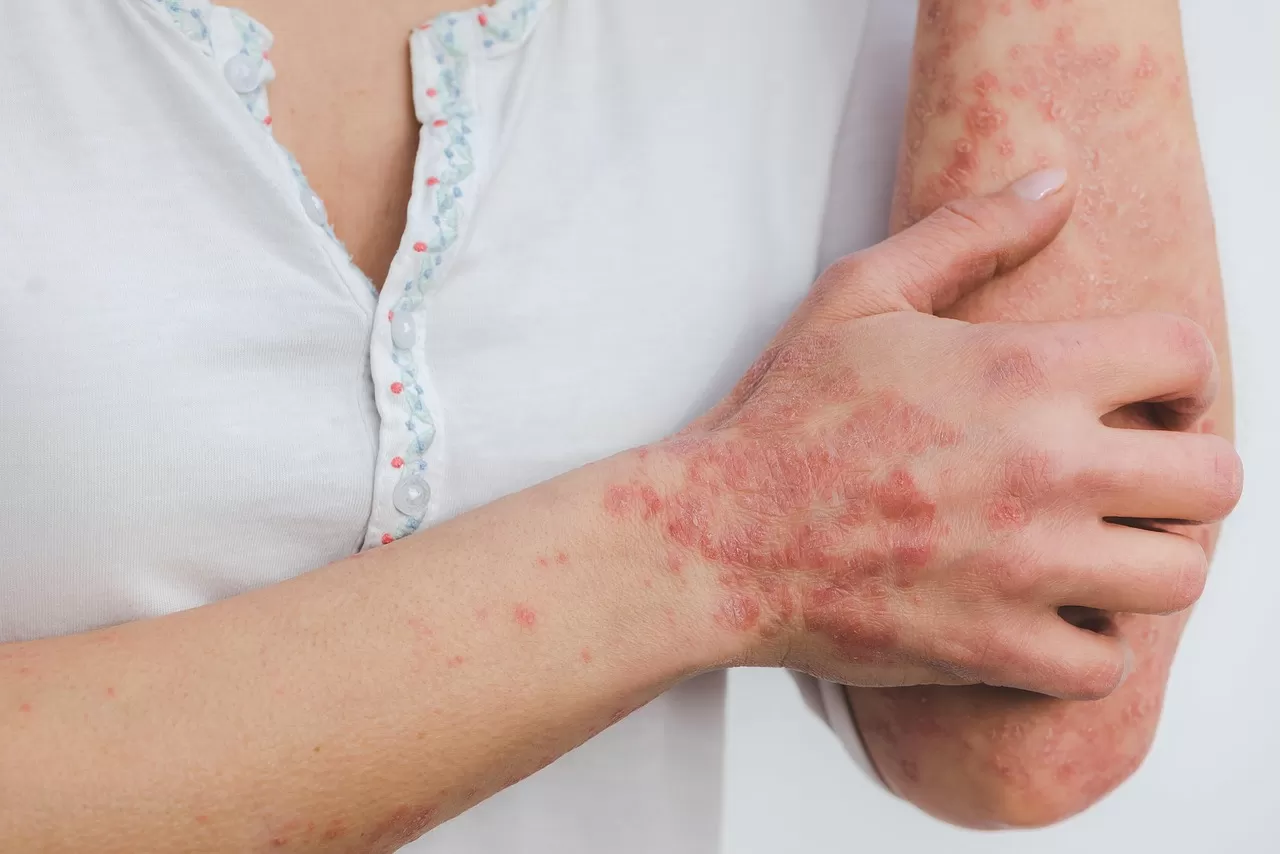
Psoriasis is a chronic skin condition that affects millions of people worldwide. It is characterized by red, scaly patches on the skin, often accompanied by itching and discomfort. One of the most common types of psoriasis is plaque psoriasis, which accounts for about 80% of all cases. If you or a loved one has been diagnosed with plaque psoriasis, it’s important to understand the various skin management options available to help alleviate symptoms and improve overall skin health.
Topical Therapy
Topical therapy is the first line of defense for managing plaque psoriasis. These are medications that are applied directly to the skin and can come in the form of creams, ointments, gels, or lotions. They work by reducing inflammation, slowing down the production of skin cells, and relieving itching and discomfort.
Some common topical treatments for plaque psoriasis include corticosteroids, vitamin D analogues, retinoids, and salicylic acid. These medications can be used alone or in combination with each other to achieve the best results. It’s important to follow your doctor’s instructions when using topical treatments, as overuse or incorrect application can lead to side effects such as thinning of the skin or irritation.
Light Therapy
Another effective treatment for plaque psoriasis is light therapy, also known as phototherapy. This involves exposing the affected skin to specific wavelengths of ultraviolet light, which can help slow down the production of skin cells and reduce inflammation. Light therapy can be done in a doctor’s office or at home using a special light box.
There are different types of light therapy available, including narrowband UVB, broad-spectrum UVB, and PUVA (psoralen plus UVA). Each type has its own benefits and risks, so it’s important to discuss with your doctor which option is best for you. Light therapy can also be combined with topical treatments for better results.
Systemic Medications
For more severe cases of plaque psoriasis, your doctor may prescribe systemic medications. These are medications that are taken orally or by injection and work throughout the body to reduce inflammation and slow down the production of skin cells. Systemic medications are usually reserved for those who have not responded well to other treatments or have widespread psoriasis.
Some common systemic medications for plaque psoriasis include methotrexate, cyclosporine, and acitretin. These medications require close monitoring by a doctor, as they can have potential side effects such as liver or kidney damage. It’s important to discuss the risks and benefits of systemic medications with your doctor before starting treatment.
Biologic Injections
Biologic injections are a newer form of treatment for plaque psoriasis and have shown great success in managing symptoms. These medications are made from living cells and work by targeting specific parts of the immune system that are involved in psoriasis. They are given by injection and can provide long-term relief from symptoms.
Biologic injections are usually reserved for those with moderate to severe plaque psoriasis and have not responded well to other treatments. They can also be used in combination with other therapies for better results. Like systemic medications, biologics require close monitoring by a doctor and may have potential side effects such as increased risk of infection.
Tips for Supporting Skin Barrier Repair
In addition to these treatment options, there are also steps you can take to support skin barrier repair and improve overall skin health. These include:
1. Moisturize regularly: Keeping your skin well-hydrated can help reduce itching and discomfort. Choose a moisturizer that is fragrance-free and gentle on the skin.
2. Avoid triggers: Certain factors, such as stress, infections, and certain medications, can trigger psoriasis flare-ups. Try to identify your triggers and avoid them as much as possible.
3. Practice good skin hygiene: Taking care of your skin is crucial for managing plaque psoriasis. This includes gentle cleansing, avoiding harsh soaps and hot water, and patting your skin dry instead of rubbing.
4. Follow a healthy diet: While there is no specific diet for psoriasis, eating a balanced and nutritious diet can help support overall skin health. Foods rich in omega-3 fatty acids, such as salmon and flaxseed, may also help reduce inflammation.
5. Manage stress: Stress can worsen psoriasis symptoms, so finding ways to manage stress can be beneficial. This can include exercise, meditation, or talking to a therapist.
In conclusion, there are various skin management
