
Chemotherapy, also known as chemo, is a common form of cancer treatment that uses powerful drugs to kill cancer cells. It is often used in combination with other treatments such as surgery and radiation therapy to effectively fight cancer. While chemotherapy can be a life-saving treatment, it can also come with a range of side effects. In this article, we will explain how chemotherapy drugs work, the common side effects, recovery timelines, and ways to manage these side effects effectively.
How Chemotherapy Drugs Work
Chemotherapy drugs work by targeting and killing rapidly dividing cells, which includes cancer cells. These drugs can be given orally, through injections, or intravenously. Once the drugs enter the bloodstream, they travel throughout the body, attacking cancer cells wherever they may be. However, they can also affect healthy cells, leading to side effects.
Common Side Effects of Chemotherapy
Chemotherapy drugs can cause a range of side effects, which can vary depending on the type of drug, dosage, and individual’s response. Some of the common side effects include:
1. Nausea and vomiting: These are among the most common side effects of chemotherapy. The drugs can irritate the lining of the stomach, leading to nausea and vomiting. This can be managed with anti-nausea medications prescribed by your doctor.
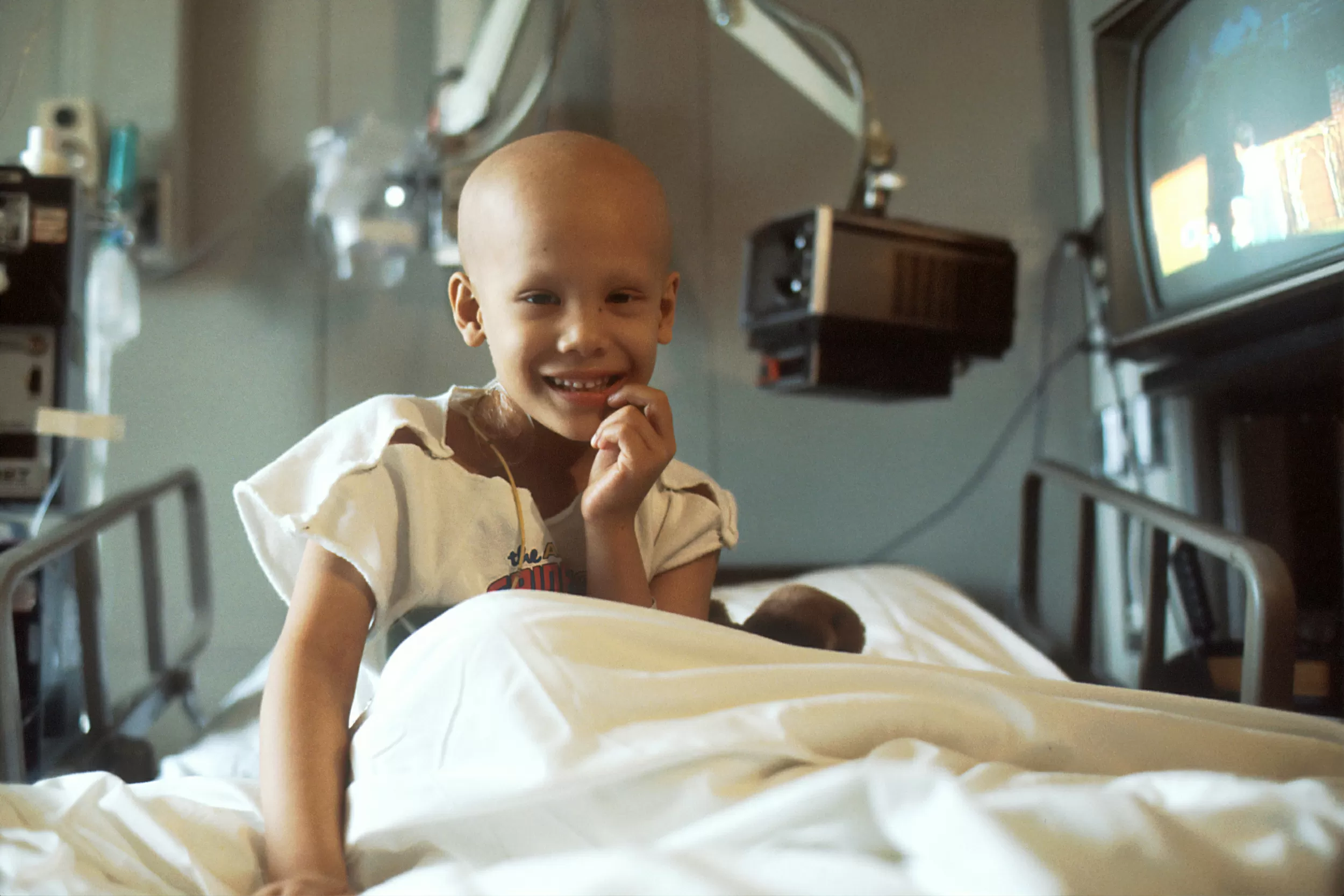
2. Hair loss: Chemotherapy drugs can also affect hair follicles, leading to hair loss. This can be a distressing side effect for many patients, but it is usually temporary. Hair typically grows back after treatment is completed.
3. Fatigue: Chemotherapy can cause fatigue, which can range from mild to severe. This can be due to the drugs affecting healthy cells, leading to a decrease in energy levels. It is important to rest and conserve energy during this time.
4. Mouth sores: Chemotherapy drugs can also cause sores in the mouth and throat, making it difficult to eat and drink. Your doctor may prescribe mouthwashes or gels to help manage these sores.
5. Low blood cell counts: Chemotherapy can affect the production of blood cells, leading to low red and white blood cell counts. This can increase the risk of infections and anemia. Your doctor may monitor your blood counts and prescribe medications to help boost blood cell production.
Recovery Timelines
The recovery timeline for chemotherapy can vary depending on the type of cancer, stage of cancer, and individual’s response to treatment. In general, the recovery period can take several weeks to months. During this time, it is important to follow your doctor’s instructions and take care of yourself both physically and emotionally.
Managing Chemotherapy Side Effects
While chemotherapy can cause side effects, there are ways to manage them effectively. Here are some tips to help you cope with common side effects:
1. Nausea and vomiting: Eat small, frequent meals and avoid spicy or greasy foods. Stay hydrated by drinking plenty of fluids. Your doctor may also prescribe anti-nausea medications to help manage these symptoms.
2. Hair loss: Consider cutting your hair short before starting treatment. This can make hair loss less noticeable. You can also try wearing a wig or scarf to cover your head.
3. Fatigue: Listen to your body and rest when you need to. Engage in light physical activities such as walking or yoga to help boost your energy levels.
4. Mouth sores: Avoid spicy, acidic, or rough foods that can irritate your mouth. Rinse your mouth with saltwater or use prescribed mouthwashes to help soothe the sores.
5. Low blood cell counts: Eat a healthy, balanced diet to help boost your immune system. Avoid contact with sick individuals and practice good hygiene to reduce the risk of infections.
It is important to communicate with your doctor about any side effects you may experience. They can provide you with the necessary support and medications to help manage these side effects effectively.
In conclusion, chemotherapy is a powerful treatment that can effectively fight cancer. While it can come with side effects, these can be managed with the help of your doctor and self-care strategies. Remember to take care of yourself both physically and emotionally during this time. Stay positive and trust in the treatment process. With the right support and mindset, you can overcome the challenges of chemotherapy and emerge stronger and healthier.
