
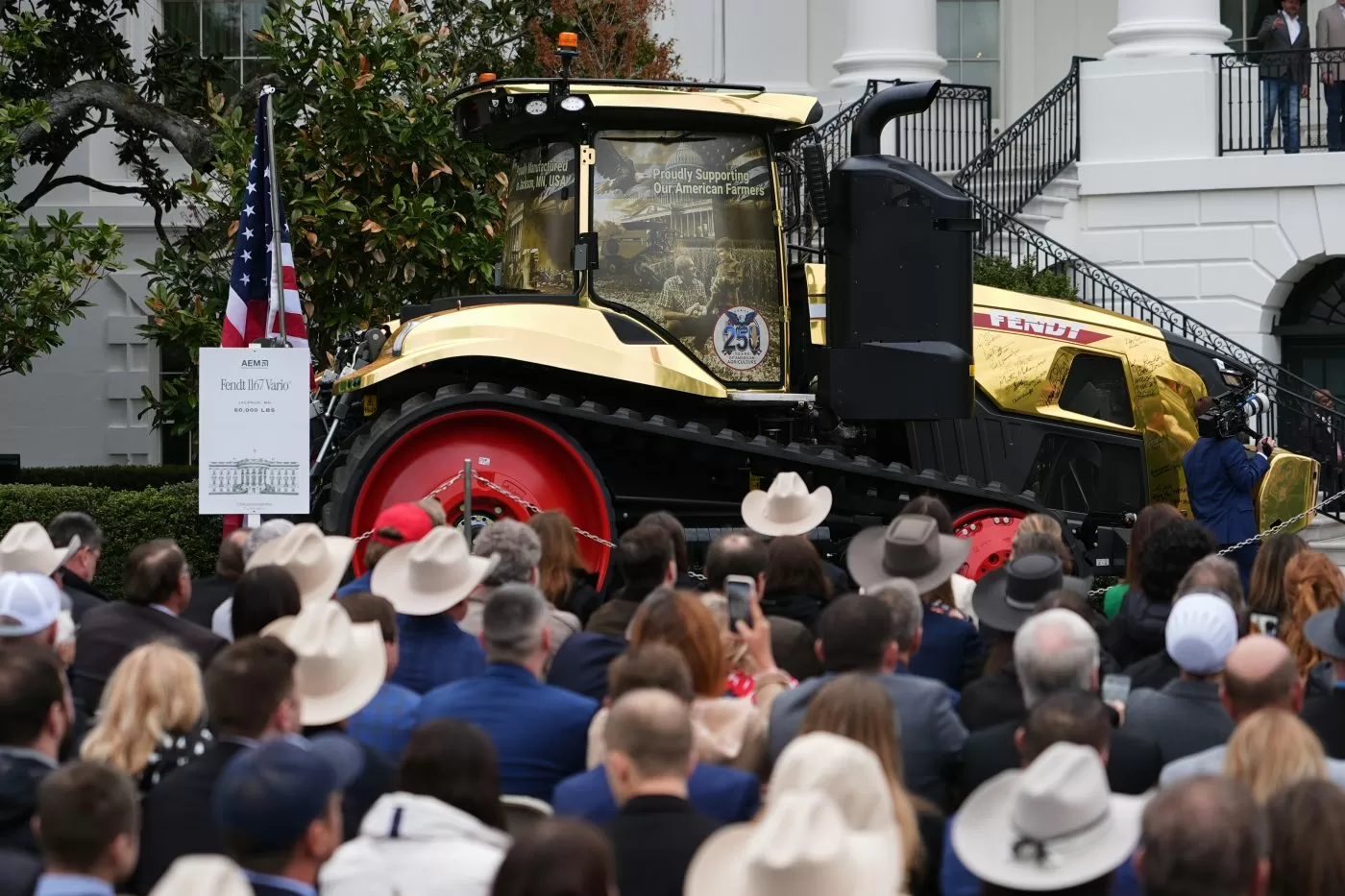
The White House has recently announced a series of steps to support the agriculture industry, which has been facing challenges due to supply chain disruptions caused by the ongoing war in Iran. These steps, which were announced on Friday, include a boost for ethanol production and an increase in the required blending of biofuels into other fuels for 2026 and 2027.
This move by the administration is a much-needed relief for farmers and producers who have been struggling to keep up with the demands of the market. The war in Iran has resulted in a shortage of key agricultural inputs, such as fertilizers and pesticides, leading to a decrease in crop yields and an increase in prices. This has had a ripple effect on the entire agriculture industry, causing financial strain for many farmers and threatening the stability of the food supply chain.
One of the major steps taken by the White House is the boost for ethanol production. Ethanol, a biofuel made from corn, has been proven to be an effective and environmentally-friendly alternative to traditional gasoline. By increasing the volumes of ethanol required to be blended into other fuels, the administration is not only supporting the agriculture industry but also promoting clean energy solutions. This will not only reduce the country’s dependence on fossil fuels but also create new job opportunities in the renewable energy sector.
Furthermore, the increase in biofuel blending requirements for 2026 and 2027 will provide a stable market for corn farmers. With the demand for ethanol set to rise, farmers can expect to see an increase in demand and prices for their corn crops. This will not only bring financial relief to farmers but also encourage them to invest in more sustainable and efficient farming practices. This, in turn, will have a positive impact on the environment and contribute to the country’s goal of reducing carbon emissions.
The White House’s announcement also includes measures to address the supply chain issues faced by the agriculture industry. This includes providing financial support for the expansion and modernization of processing facilities, as well as investing in research and development for alternative inputs and technologies. These steps will not only improve the efficiency of the supply chain but also make it more resilient to future disruptions.
The administration’s prompt and proactive approach in addressing the challenges faced by the agriculture industry is commendable. It shows their commitment to supporting American farmers and ensuring the stability of the country’s food supply. The boost for ethanol and increased biofuel blending requirements are just the first steps towards a more sustainable and resilient agriculture sector.
In addition to these steps, the White House has also announced plans to negotiate trade deals that will benefit the agriculture industry. This will open up new markets for American farmers, providing them with more opportunities to sell their products and increase their profits. The administration is also working towards resolving the trade war with China, which has been a major obstacle for the agriculture industry in recent years.
The White House’s announcement has been welcomed by the agriculture industry, with many expressing their gratitude for the support. The boost for ethanol and increased biofuel blending requirements will not only benefit farmers but also have a positive impact on the economy as a whole. It is a clear indication of the government’s commitment to promoting sustainable and innovative solutions for the challenges faced by the agriculture industry.
In conclusion, the White House’s announcement of steps to support the agriculture industry, including a boost for ethanol and increased biofuel blending requirements, is a much-needed relief for farmers and producers. These steps will not only address the supply chain issues caused by the war in Iran but also promote clean energy solutions and improve the resilience of the agriculture sector. With these measures in place, we can look forward to a more sustainable and prosperous future for American agriculture.
