
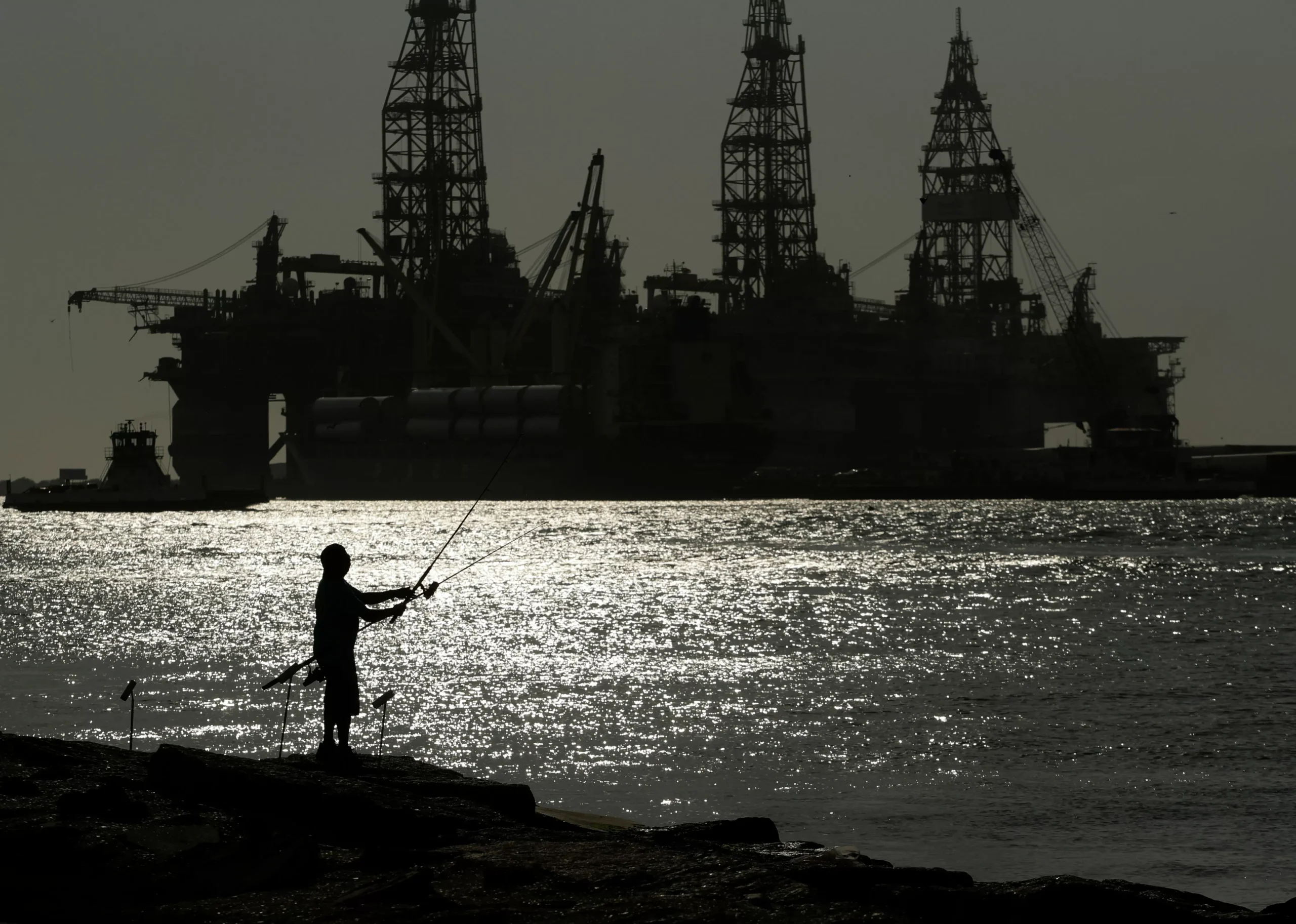
As tensions between the United States and Iran continue to escalate, the Trump administration has set its sights on expanding oil and gas drilling in the Gulf of Mexico. In an effort to fast-track this controversial project, the administration is seeking an exemption from the Endangered Species Act by citing national security concerns. This move has sparked outrage among environmental groups who fear the potential consequences of such a decision.
The Endangered Species Act, which was enacted in 1973, is a crucial piece of legislation that aims to protect and preserve endangered species and their habitats. It has been instrumental in preventing the extinction of many species and has been widely praised by conservationists. However, the Trump administration’s recent actions have cast doubt on the government’s commitment to upholding this important law.
Environmentalists argue that granting an exemption from the Endangered Species Act for the sake of oil and gas drilling in the Gulf of Mexico would set a dangerous precedent for future fossil fuel projects. It would essentially give the government a free pass to bypass environmental regulations in the name of national security. This could open the floodgates for more destructive and unsustainable projects, putting our planet and its inhabitants at risk.
The Gulf of Mexico is home to a diverse array of marine life, including several endangered species such as the Kemp’s ridley sea turtle and the Gulf sturgeon. These fragile ecosystems are already facing numerous threats, including pollution from oil spills and overfishing. The proposed expansion of oil and gas drilling would only add to these threats, potentially causing irreparable damage to the delicate balance of the Gulf’s marine life.
Furthermore, the Gulf of Mexico is a vital source of livelihood for many coastal communities, providing economic benefits through fishing and tourism. The potential consequences of expanded oil and gas drilling could have devastating effects on these communities, not to mention the negative impact it would have on our climate and environment.
The Trump administration’s push for an exemption from the Endangered Species Act is not only concerning for the Gulf of Mexico but also for the message it sends to the rest of the world. It shows a lack of regard for the protection of our planet’s biodiversity and sets a dangerous precedent for other countries to follow suit. It also undermines the progress made in recent years towards transitioning to renewable energy sources and combating climate change.
In response to this alarming development, environmental groups have launched a campaign to raise awareness and oppose the exemption. They are urging the government to prioritize the protection of endangered species and the environment over the interests of the fossil fuel industry. They argue that there are alternative, more sustainable sources of energy that can be explored, and the government should invest in these instead of sacrificing our planet’s health for short-term gains.
It is crucial for the government to recognize the long-term implications of its actions and prioritize the well-being of our planet and its inhabitants. The Endangered Species Act was put in place to protect and preserve our natural world, and any attempts to weaken or ignore it would be a grave disservice to our future generations.
In conclusion, the Trump administration’s proposal to seek an exemption from the Endangered Species Act for expanded oil and gas drilling in the Gulf of Mexico is a cause for great concern. It not only puts endangered species and fragile ecosystems at risk but also sets a dangerous precedent for future environmental policies. It is imperative for the government to reconsider its priorities and prioritize the protection of our planet over the interests of the fossil fuel industry. We must all join hands in raising our voices and demanding responsible and sustainable practices for the sake of our planet’s health and our future.
