
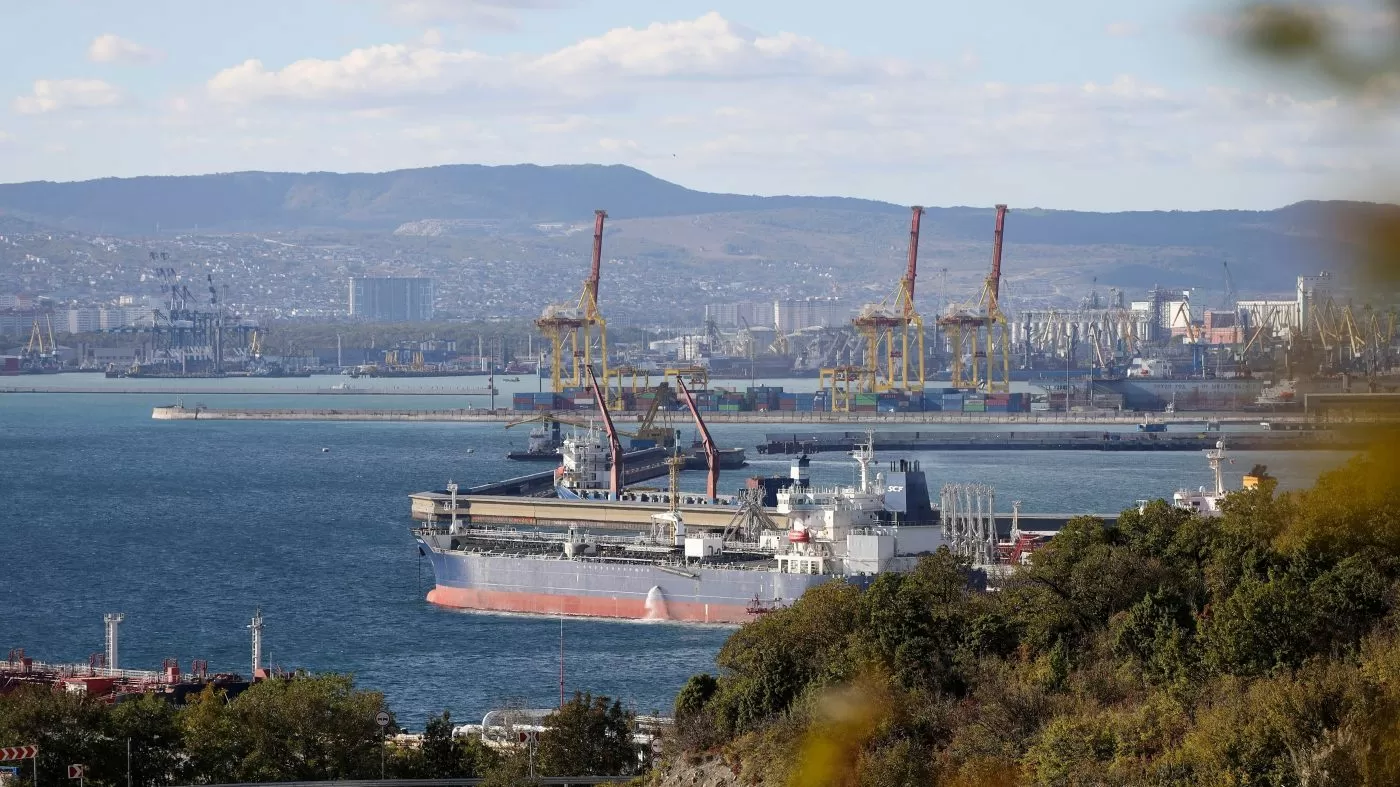
Two Russian oil tankers are reportedly making their way to Cuba in the coming days, in a move that could potentially challenge President Trump’s longstanding blockade of the island nation. According to the Financial Times, maritime intelligence companies have confirmed the presence of these vessels, raising questions about the future of US-Cuba relations.
The first tanker, Sea Horse, is a Hong Kong-flagged ship estimated to be carrying around 250,000 barrels of oil. The second vessel, the Sovecon, is a Russian-flagged tanker with a capacity of 1 million barrels. Both ships are expected to arrive in Cuba within the next few days, and their arrival could have significant implications for the ongoing tensions between the US and Cuba.
The US has maintained a strict economic blockade on Cuba for over 60 years, in an attempt to isolate the communist nation and force political change. This blockade has severely limited Cuba’s access to international trade and has had a significant impact on the country’s economy. However, with the recent thaw in US-Cuba relations under the Obama administration, many hoped that the blockade would be lifted and a new era of cooperation would begin.
Unfortunately, these hopes were dashed when President Trump took office and reinstated many of the restrictions on travel and trade with Cuba. This move has not only affected the Cuban economy but has also strained relations between the two countries once again. The arrival of these Russian oil tankers could be seen as a direct challenge to the US blockade and a sign of Cuba’s determination to maintain its sovereignty.
The timing of this move is also significant, as it comes just days after President Trump announced new sanctions on Venezuela, one of Cuba’s closest allies. These sanctions have targeted the country’s oil industry, which is a major source of income for both Venezuela and Cuba. With the US attempting to cut off Venezuela’s oil exports, Cuba may be turning to Russia for alternative sources of oil.
This is not the first time that Russia has stepped in to support Cuba in the face of US sanctions. In the 1960s, the Soviet Union provided economic and military aid to Cuba, helping the country withstand the US blockade. Now, with the arrival of these oil tankers, it seems that history may be repeating itself.
The presence of these Russian vessels in Cuban waters also raises questions about the future of US-Cuba relations. Will the US respond to this challenge to their blockade? Will this lead to further tensions between the two countries? Or could it be a catalyst for renewed negotiations and a possible end to the blockade?
One thing is certain, the arrival of these Russian oil tankers has once again put the spotlight on the US blockade of Cuba and the impact it has on the country’s economy and people. It also highlights the resilience and determination of the Cuban people to maintain their sovereignty and independence.
In the midst of all the political tensions and economic challenges, it is important to remember the human aspect of this situation. The Cuban people have been living under the shadow of the US blockade for decades, and it is time for a change. It is time for the US to lift the blockade and allow Cuba to fully participate in the global economy.
The arrival of these Russian oil tankers may be a small step, but it could be the beginning of a new chapter in US-Cuba relations. It is time for both countries to put aside their differences and work towards a more cooperative and mutually beneficial relationship. The Cuban people deserve the opportunity to thrive and prosper, and it is up to the US to make that happen.
In conclusion, the news of two Russian oil tankers heading for Cuba is a significant development that could have far-reaching implications. It is a reminder of the ongoing tensions between the US and Cuba and the need for a change in their relationship. Let us hope that this move will lead to positive developments and pave the way for a brighter future for both countries.
