
High blood pressure, also known as hypertension, is a common health issue that affects millions of people worldwide. It occurs when the force of blood against the walls of your arteries is consistently too high, putting extra strain on your heart and blood vessels. If left uncontrolled, high blood pressure can lead to serious health problems such as heart disease, stroke, and kidney failure. While medication is often prescribed to manage high blood pressure, making dietary changes can also have a significant impact. In fact, certain foods have been shown to naturally lower blood pressure, making them an important part of a heart-healthy diet.
One key nutrient that has been linked to lower blood pressure is potassium. This mineral helps to regulate the balance of fluids in your body and plays a crucial role in maintaining healthy blood pressure levels. The recommended daily intake of potassium for adults is 4,700 milligrams, but studies have shown that most people do not consume enough of this important nutrient. Luckily, there are plenty of delicious and nutritious foods that are rich in potassium and can help you meet your daily requirements.
Bananas are perhaps the most well-known source of potassium, with one medium-sized banana providing around 422 milligrams of this mineral. Other fruits that are high in potassium include avocados, apricots, and cantaloupe. Vegetables such as leafy greens, sweet potatoes, and tomatoes are also great sources of potassium. In addition to being rich in potassium, these foods are also packed with other important nutrients like fiber, vitamins, and antioxidants, making them a valuable addition to any diet.
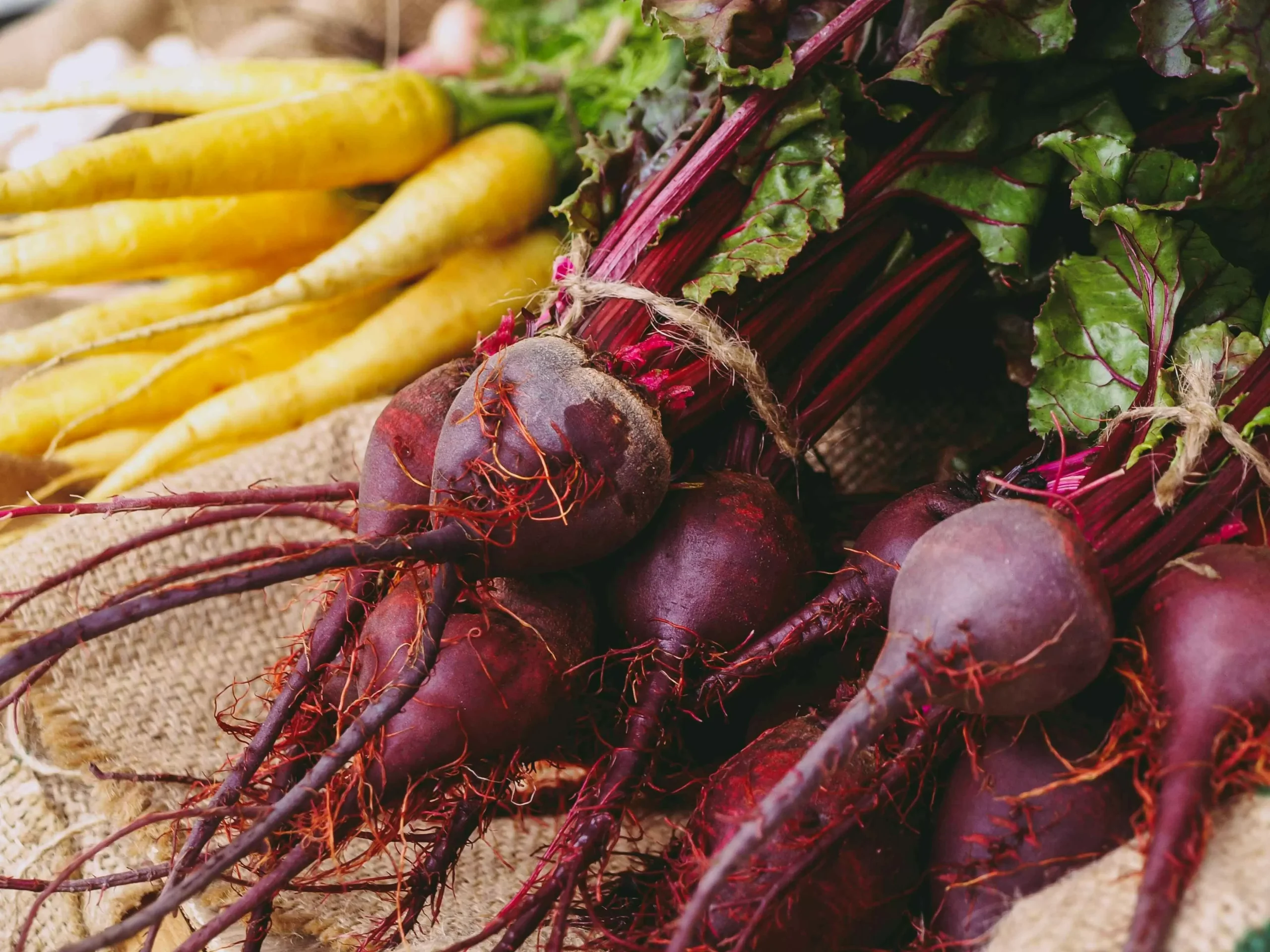
Aside from potassium, another nutrient that has been shown to have a positive impact on blood pressure is nitrates. These compounds are found in certain vegetables and have been found to help relax and widen blood vessels, resulting in lower blood pressure. Some of the best nitrate-rich vegetables include beets, spinach, and arugula. These vegetables can be easily incorporated into your diet by adding them to salads, smoothies, or even roasting them as a side dish.
In addition to potassium and nitrates, magnesium is another mineral that has been linked to lower blood pressure. This essential nutrient plays a role in regulating blood pressure by helping to relax blood vessels and improve blood flow. Studies have shown that magnesium supplementation can lead to a significant decrease in both systolic and diastolic blood pressure. Some of the best sources of magnesium include nuts, seeds, legumes, and whole grains.
Incorporating these potassium-rich foods, nitrate vegetables, and magnesium sources into your diet can have a positive impact on your blood pressure. However, it’s important to note that a balanced and varied diet is key to maintaining overall health. It’s also important to limit your intake of processed and high-sodium foods, as they can contribute to high blood pressure.
In addition to making dietary changes, incorporating other healthy habits into your lifestyle can also help to naturally lower your blood pressure. Regular exercise, stress management techniques, and limiting alcohol and tobacco consumption can all have a positive impact on blood pressure levels. It’s also important to regularly monitor your blood pressure and consult with your healthcare provider if you have any concerns.
In conclusion, high blood pressure is a serious health issue that can have detrimental effects on your overall well-being. While medication may be necessary in some cases, making dietary changes can also play a significant role in managing and lowering blood pressure. By incorporating potassium-rich foods, nitrate vegetables, and magnesium sources into your diet, along with other healthy habits, you can take control of your blood pressure and improve your overall health. Remember, small changes can lead to big results, so start making heart-healthy choices today!
