
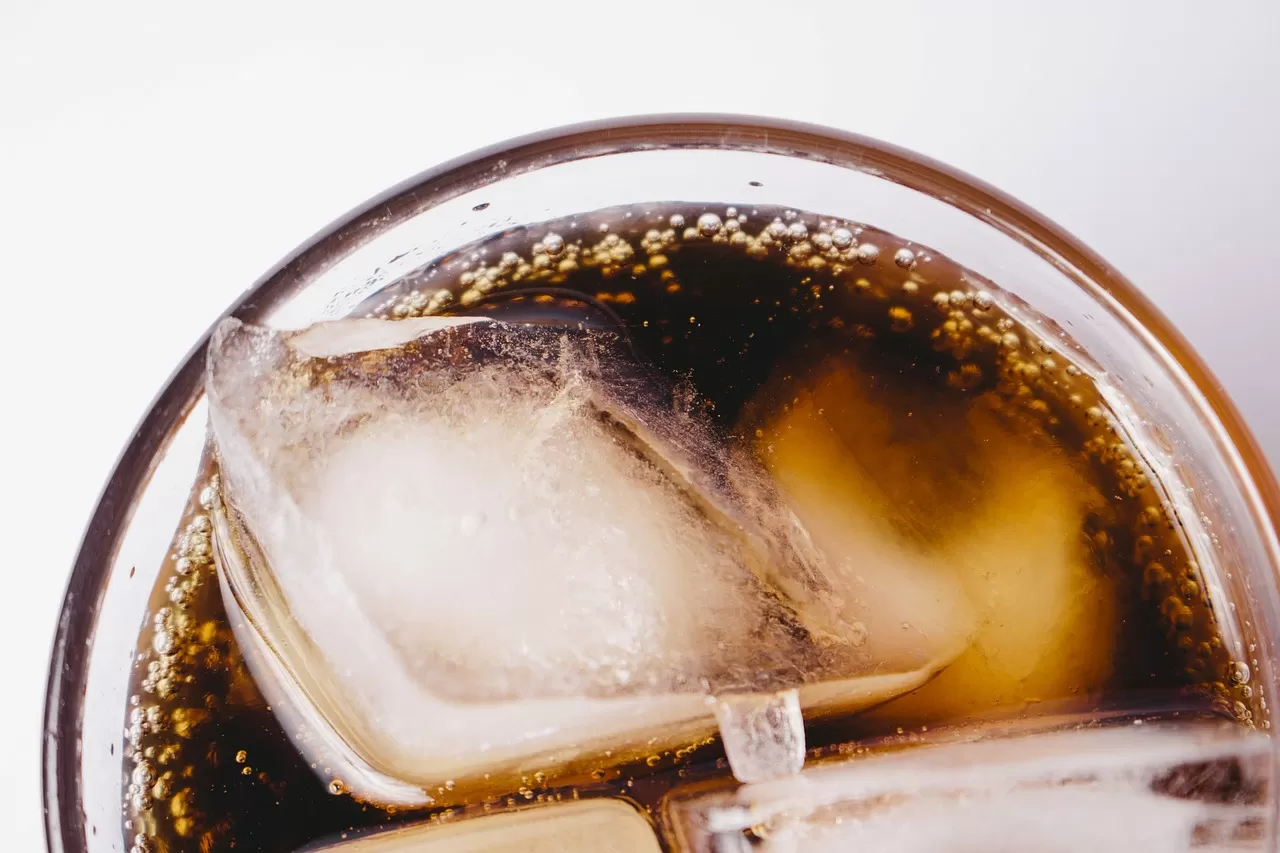
As parents, we all want what’s best for our children. We strive to provide them with a healthy and happy childhood, and that includes making sure they have a balanced and nutritious diet. However, one of the biggest challenges parents face today is the increasing availability and consumption of sugary drinks among children. From sodas and fruit juices to sports drinks and energy drinks, these sugary beverages have become a staple in many children’s diets. But did you know that pediatricians are warning about the potential health risks associated with these drinks? In this article, we will discover why pediatricians are concerned about sugary drinks and learn about healthier drink choices to protect our children’s long-term health.
Obesity, tooth decay, and diabetes are some of the most common health risks associated with the consumption of sugary drinks in children. According to the American Academy of Pediatrics (AAP), sugary drinks are the leading source of added sugars in children’s diets, contributing to about 17% of their daily calorie intake. This excessive consumption of added sugars can lead to weight gain and obesity in children. In fact, studies have shown that children who regularly consume sugary drinks are more likely to be overweight or obese than those who do not.
Moreover, sugary drinks are also a major contributor to tooth decay in children. The high sugar content in these drinks provides a breeding ground for bacteria in the mouth, leading to the formation of plaque and cavities. The AAP recommends limiting the consumption of sugary drinks to prevent tooth decay and maintain good oral health in children.
In addition to obesity and tooth decay, sugary drinks can also increase the risk of developing type 2 diabetes in children. The high sugar content in these drinks can cause a spike in blood sugar levels, leading to insulin resistance over time. This can eventually lead to the development of type 2 diabetes, a chronic condition that can have serious long-term health consequences.
So, what can parents do to protect their children’s health and prevent these potential risks? The first step is to limit or eliminate the consumption of sugary drinks in their children’s diets. Instead, parents can opt for healthier drink choices that provide essential nutrients and hydration without the added sugars.
Water is the best and most natural choice for children’s drinks. It is essential for hydration and has zero calories, making it the perfect alternative to sugary drinks. Parents can also encourage their children to drink milk, which is a great source of calcium and other essential nutrients for growing bodies. Low-fat or non-fat milk is recommended for children over the age of two, while whole milk is recommended for children under two.
Fruit juices may seem like a healthy option, but they often contain high amounts of added sugars and lack the fiber and nutrients found in whole fruits. Instead, parents can offer their children whole fruits, which are a healthier and more nutritious option. Smoothies made with whole fruits and vegetables can also be a great way to provide essential nutrients and hydration to children.
For children who enjoy the taste of soda, parents can opt for healthier alternatives such as sparkling water or flavored water with no added sugars. These drinks provide the same fizz and flavor without the added sugars and calories. Parents can also make their own flavored water at home by infusing water with fruits, vegetables, and herbs for a refreshing and healthy drink.
Sports drinks and energy drinks are marketed towards children and teens as a way to boost energy and performance. However, these drinks are often high in added sugars and can lead to weight gain and other health issues. Unless your child is participating in intense physical activity, water is the best choice for hydration during and after exercise.
In conclusion, pediatricians warn about the potential health risks associated with sugary drinks in children, including obesity, tooth decay, and diabetes. As parents, it is our responsibility to limit or eliminate these drinks from our children’s diets and opt for healthier alternatives such as water, milk, whole fruits, and homemade flavored water. By making these small changes, we can protect our children’s long-term health and set them on the path towards a happy and healthy future. Let’s make the switch to healthier drink choices and give our children the gift of good health.
