
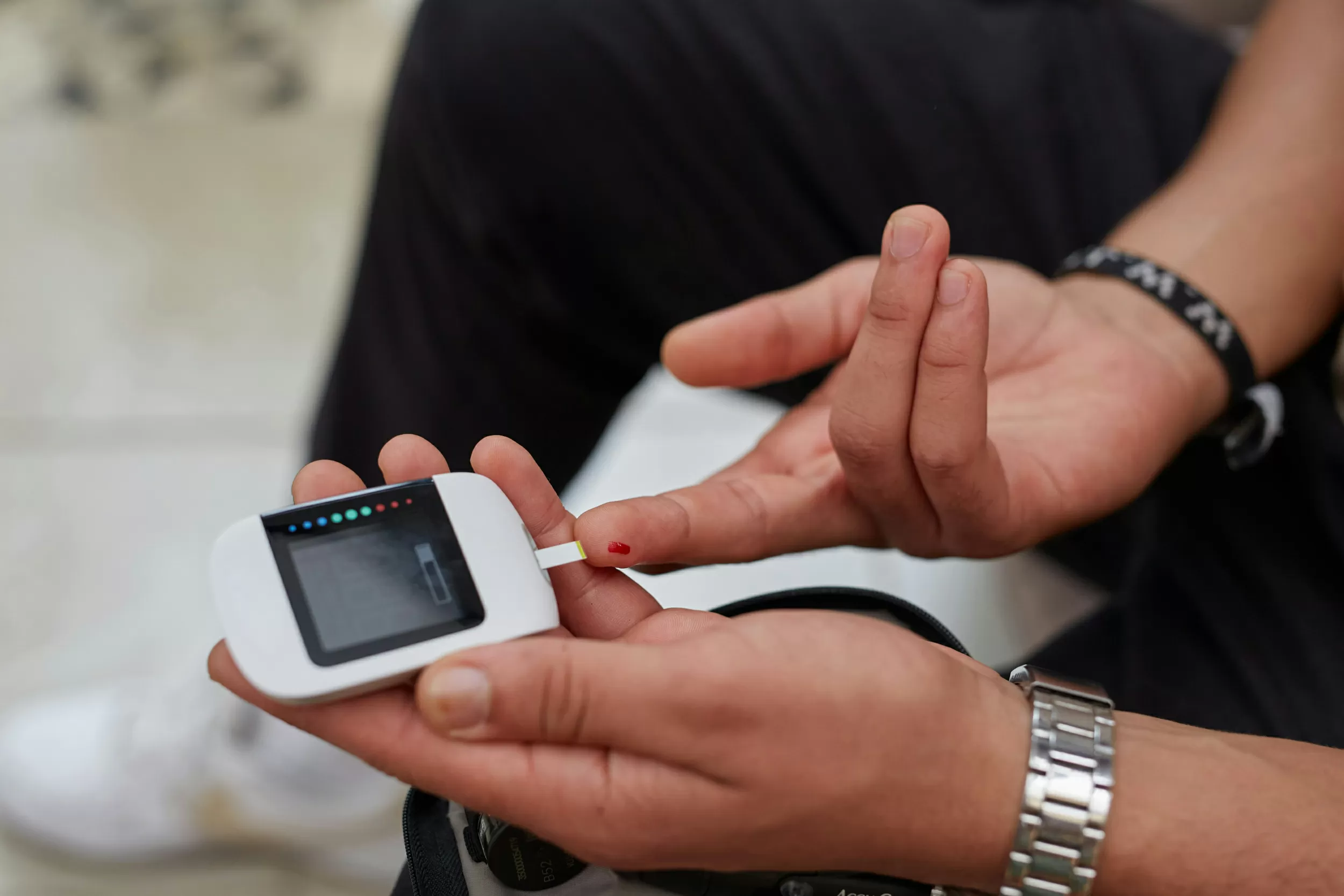
Diabetes is a chronic disease that affects millions of people around the world. It occurs when the body is unable to properly use or produce insulin, a hormone that helps regulate blood sugar levels. If left untreated, diabetes can lead to serious health complications such as heart disease, nerve damage, and kidney failure. However, with early detection and proper management, people with diabetes can live a healthy and fulfilling life. In this article, we will discuss the symptoms and early signs of diabetes, including frequent urination, fatigue, vision changes, and when to get tested.
Frequent urination, also known as polyuria, is one of the most common symptoms of diabetes. This occurs when the body tries to remove excess sugar from the blood by flushing it out through the urine. As a result, people with diabetes may find themselves needing to use the bathroom more often, especially at night. This can disrupt sleep patterns and lead to fatigue and irritability.
Fatigue is another common symptom of diabetes. The body’s inability to properly use glucose for energy can leave a person feeling constantly tired and weak. This can also be attributed to the body’s increased effort to eliminate excess sugar through frequent urination. In some cases, people with undiagnosed diabetes may also experience unexplained weight loss due to the body breaking down fat and muscle for energy.
Vision changes can also be an early sign of diabetes. High blood sugar levels can cause damage to the small blood vessels in the eyes, leading to blurred vision or even vision loss. If left untreated, this can progress to a more serious condition called diabetic retinopathy, which can cause permanent damage to the eyes.
So when should you get tested for diabetes? It is recommended that adults over the age of 45 should get tested every 3 years, especially if they have a family history of diabetes. However, if you experience any of the symptoms mentioned above, it is important to get tested regardless of your age. Other risk factors for diabetes include being overweight, having high blood pressure, and leading a sedentary lifestyle.
There are several tests used to diagnose diabetes, including a fasting blood sugar test, an oral glucose tolerance test, and a hemoglobin A1C test. These tests measure the levels of glucose in the blood and can help determine if a person has diabetes or prediabetes, a condition where blood sugar levels are higher than normal but not yet high enough to be diagnosed as diabetes.
If you are diagnosed with diabetes, it is important to work closely with your healthcare team to manage the disease. This includes making lifestyle changes such as adopting a healthy diet and regular exercise routine. Your doctor may also prescribe medication, such as insulin or oral medication, to help control your blood sugar levels.
Managing diabetes can be challenging, but it is essential for preventing serious complications. It is important to monitor your blood sugar levels regularly and make necessary adjustments to your treatment plan as advised by your doctor. It is also crucial to attend regular check-ups and screenings to detect any potential complications early on.
In addition to medical management, it is also important to educate yourself about diabetes and its management. There are many resources available, such as support groups and educational classes, that can help you learn more about the disease and how to live a healthy life with diabetes.
In conclusion, diabetes is a serious disease that requires early detection and proper management. If you experience symptoms such as frequent urination, fatigue, or vision changes, it is important to get tested for diabetes. Remember, early detection and treatment can help prevent serious complications and allow you to live a fulfilling life with diabetes. So don’t hesitate to talk to your doctor if you have any concerns or questions about diabetes. Together, we can take control of our health and well-being.
