
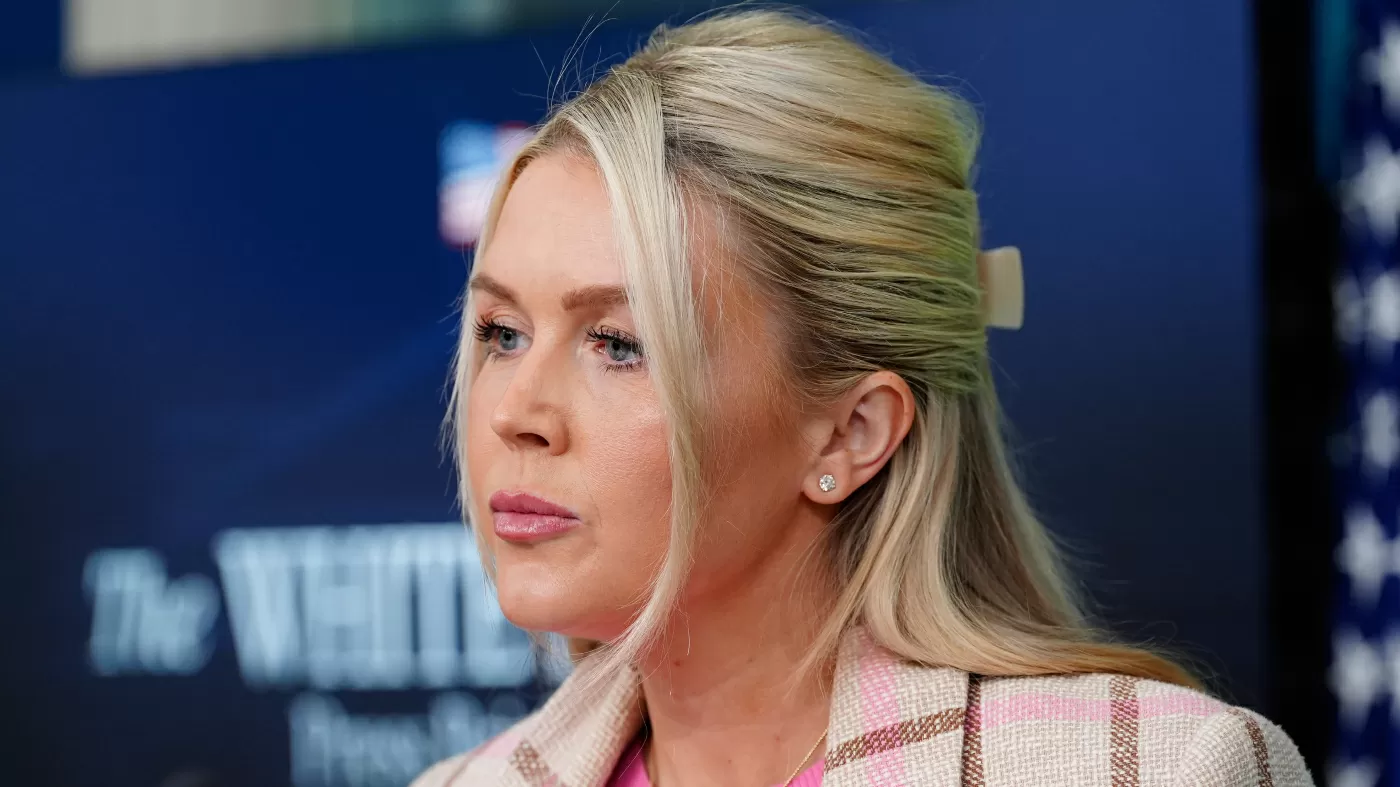
The recent tensions in the Persian Gulf have brought the issue of oil supply and security to the forefront once again. The Strait of Hormuz, a narrow waterway between Iran and Oman, is a critical chokepoint for oil tankers carrying one-fifth of the world’s oil supply. In light of recent incidents involving oil tankers in the region, there have been concerns regarding the safety and security of these vessels. However, on Tuesday, White House press secretary Karoline Leavitt made a statement that puts some of these concerns to rest.
Leavitt declared that the U.S. military has not yet escorted any oil tankers through the Strait of Hormuz as of yet. This statement contradicts a now-deleted post from Energy Secretary Chris Wright, who claimed that the U.S. military had already started escorting tankers through the Strait. It has caused confusion and raised questions about the current situation in the region.
In her statement, Leavitt clarified that she was made aware of the post by Secretary Wright, but had not had a chance to speak with him directly about it. She assured the public that the U.S. government is closely monitoring the situation in the Strait of Hormuz and is taking all necessary precautions to ensure the safety and security of all vessels passing through the region.
The Persian Gulf has been a flashpoint for tensions between the United States and Iran for several years now. The recent attacks on oil tankers and the subsequent detention of the British-flagged tanker by Iran have only added fuel to the fire. In response to these incidents, the U.S. government has announced plans to increase its military presence in the region, including the deployment of additional troops and warships to the Strait of Hormuz.
The U.S. government’s priority remains the safety and security of all vessels passing through the Strait of Hormuz. However, there have been concerns about the potential for escalation of tensions in the region with the increase in military presence. The U.S. has also been urging its allies to join in efforts to protect the Strait and prevent any disruption to the flow of oil.
With the conflicting statements from the Energy Secretary and the White House press secretary, there has been speculation about the U.S.’s actual response to the situation in the Persian Gulf. However, Leavitt’s statement has provided some clarity and reassurance that the U.S. is not yet escorting oil tankers through the Strait of Hormuz.
In the midst of this tense situation, it is crucial for the U.S. government to maintain transparency and provide clear and accurate information to the public. The conflicting statements from two government officials only add confusion and uncertainty to an already volatile situation. It is essential for the government to speak with one voice and avoid any miscommunication or misinformation that could have significant consequences.
The Strait of Hormuz is a vital waterway for the global economy, and any disruption to the flow of oil through this region could have severe consequences for the world. The U.S. government’s decision not to escort oil tankers through the Strait at this time shows their commitment to finding a peaceful resolution to the tensions in the region. It also sends a message to Iran that the U.S. is not willing to engage in military action unless all diplomatic efforts have been exhausted.
In conclusion, while the situation in the Persian Gulf remains tense, the U.S. government’s statement that they have not yet escorted any oil tankers through the Strait of Hormuz should provide some reassurance to the public. It is crucial for all parties involved to prioritize diplomacy and seek a peaceful solution to this issue. The U.S. remains committed to protecting the flow of oil through the region and ensuring the safety and security of all vessels passing through the Strait of Hormuz. Let us hope that all parties involved can come to a peaceful resolution and avoid any further escalations of tensions in this critical region.
