
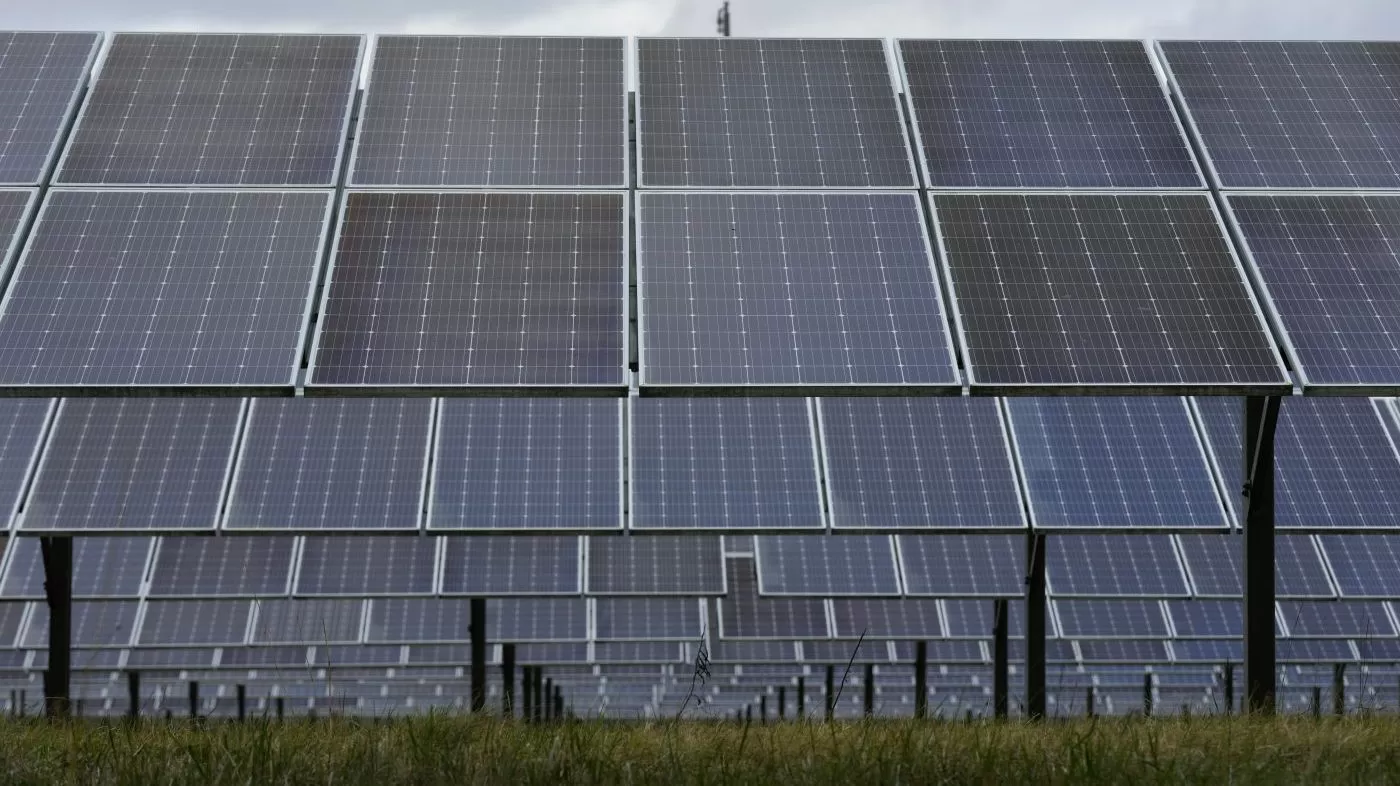
Solar energy has been gaining traction in the United States as a clean and renewable source of power. However, a new report released by the Solar Energy Industries Association (SEIA) and Wood Mackenzie has revealed a setback for the industry. According to the report, solar installations in the U.S. decreased by 14 percent last year, with only 43.2 gigawatts direct current (GWdc) of capacity installed compared to the previous year’s 49 GWdc.
This decline in solar installations is a cause for concern, especially as the world is facing the threat of climate change and the need for sustainable energy sources is becoming more urgent. The decrease in installations can be attributed to a number of factors, one of which is the policies of the Trump administration.
Since taking office, President Trump has been vocal about his support for fossil fuels and his skepticism towards renewable energy. His decision to impose tariffs on imported solar panels has had a significant impact on the industry. The tariffs, which were placed in January 2018, increased the cost of solar panels by 30 percent, making it more expensive for solar companies to install systems. This, in turn, has led to a decrease in demand for solar installations.
The solar industry has also faced challenges due to the COVID-19 pandemic. The lockdowns and economic slowdown caused by the pandemic have disrupted supply chains and delayed projects, leading to a decrease in installations. However, despite these challenges, the solar industry remains resilient and is poised for a comeback.
The SEIA and Wood Mackenzie report also revealed some positive trends in the solar industry. The decline in installations was mainly seen in the utility-scale solar sector, while residential and commercial installations remained relatively stable. This shows that individuals and businesses are still interested in investing in solar energy, despite the challenges faced by the industry.
Moreover, the cost of solar installations has continued to decrease, making it more affordable for consumers. The average cost of a residential solar system has decreased by 45 percent since 2010, making it a more attractive option for homeowners. This downward trend in costs is expected to continue, making solar energy even more accessible to the general public.
In addition, the report highlighted that solar energy is still the fastest-growing source of electricity in the U.S. Despite the decrease in installations, solar energy still accounted for 43 percent of all new electricity generating capacity added in 2020. This shows the potential for further growth and development in the industry.
The solar industry has also been a major source of job creation in the U.S. In 2020, the industry employed over 230,000 people, with the majority of jobs being in installation and manufacturing. The decrease in installations has resulted in job losses, but as the industry bounces back, it is expected that these jobs will return and even more will be created.
The decline in solar installations in 2020 is a wake-up call for the U.S. government to take action and support the growth of the industry. The Biden administration has already shown its commitment to renewable energy by rejoining the Paris Climate Agreement and setting a goal for the U.S. to reach net-zero emissions by 2050. This presents an opportunity for the government to implement policies that will support the growth of the solar industry and make it easier for individuals and businesses to invest in solar energy.
The solar industry has faced challenges in the past year, but it remains a vital player in the transition to a clean energy future. With the support of the government and the continued decrease in costs, solar energy has the potential to become the dominant source of electricity in the U.S. The decrease in installations in 2020 should be seen as a temporary setback, and the industry is poised for a comeback in the coming years. Let us continue to support and invest in solar energy for a brighter and more sustainable future.
