
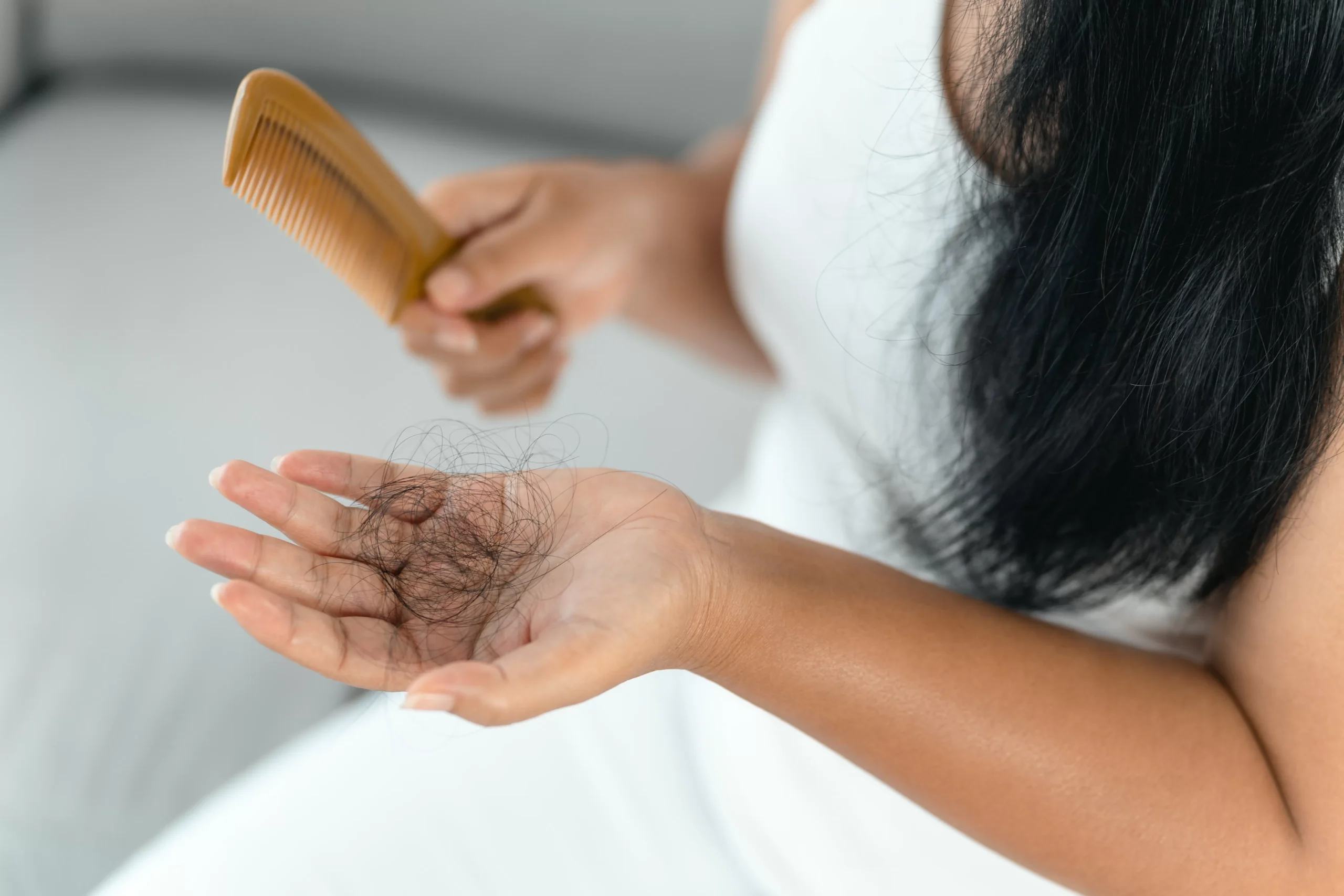
A few months into GLP-1 treatment, many patients encounter an unexpected and distressing side effect: significant hair loss. This can be a difficult and emotional experience for those undergoing treatment, as hair loss can have a significant impact on one’s self-esteem and confidence. However, it is important to understand that this side effect is temporary and can be managed with the right approach.
GLP-1 (glucagon-like peptide-1) is a medication commonly used to treat type 2 diabetes. It works by stimulating the production of insulin and reducing the production of glucose in the liver. This helps to control blood sugar levels and can lead to weight loss in some patients. While GLP-1 has been proven to be an effective treatment for diabetes, it is important to note that it can also have some side effects, one of which is hair loss.
Hair loss, also known as alopecia, is a common side effect of many medications. It occurs when the hair follicles stop producing new hair, leading to thinning or balding. In the case of GLP-1 treatment, hair loss is believed to be caused by the medication’s effect on the body’s hormones and the hair growth cycle. This side effect is more common in women than men and can occur in any area of the scalp.
For those experiencing hair loss while on GLP-1 treatment, it is essential to remember that this is a temporary side effect. In most cases, hair will start to grow back once the treatment is stopped or adjusted. However, it is important to consult with your doctor before making any changes to your medication regimen.
In the meantime, there are some steps you can take to manage hair loss and promote hair growth. First and foremost, it is crucial to maintain a healthy and balanced diet. Make sure to include plenty of protein, vitamins, and minerals in your meals, as these are essential for hair growth. Additionally, consider taking supplements specifically designed to promote hair growth, such as biotin or iron.
Another important factor in managing hair loss is to take care of your scalp. Use a gentle shampoo and avoid harsh chemicals or heat styling tools that can further damage your hair. Consider using a scalp massage brush to stimulate blood flow and promote hair growth. You can also try using essential oils, such as rosemary or peppermint, which have been shown to improve hair growth.
While it may be tempting to cover up hair loss with hats or wigs, it is essential to let your scalp breathe and avoid any tight hairstyles that can put pressure on your hair follicles. If you are experiencing significant hair loss, consider consulting with a hair specialist who can provide you with personalized advice and treatment options.
It is also crucial to take care of your mental and emotional well-being during this time. Hair loss can be a challenging experience, but it is essential to remember that it does not define you. Surround yourself with a supportive network of friends and family, and seek professional help if needed. Remember that your hair will grow back, and in the meantime, there are many ways to style and embrace your new look.
In conclusion, while hair loss may be an unexpected and distressing side effect of GLP-1 treatment, it is essential to remember that it is temporary and can be managed. By taking care of your overall health, scalp, and emotional well-being, you can promote hair growth and maintain a positive outlook. Consult with your doctor and hair specialist for personalized advice and support, and remember that you are not alone in this journey. Stay positive and stay strong.
