
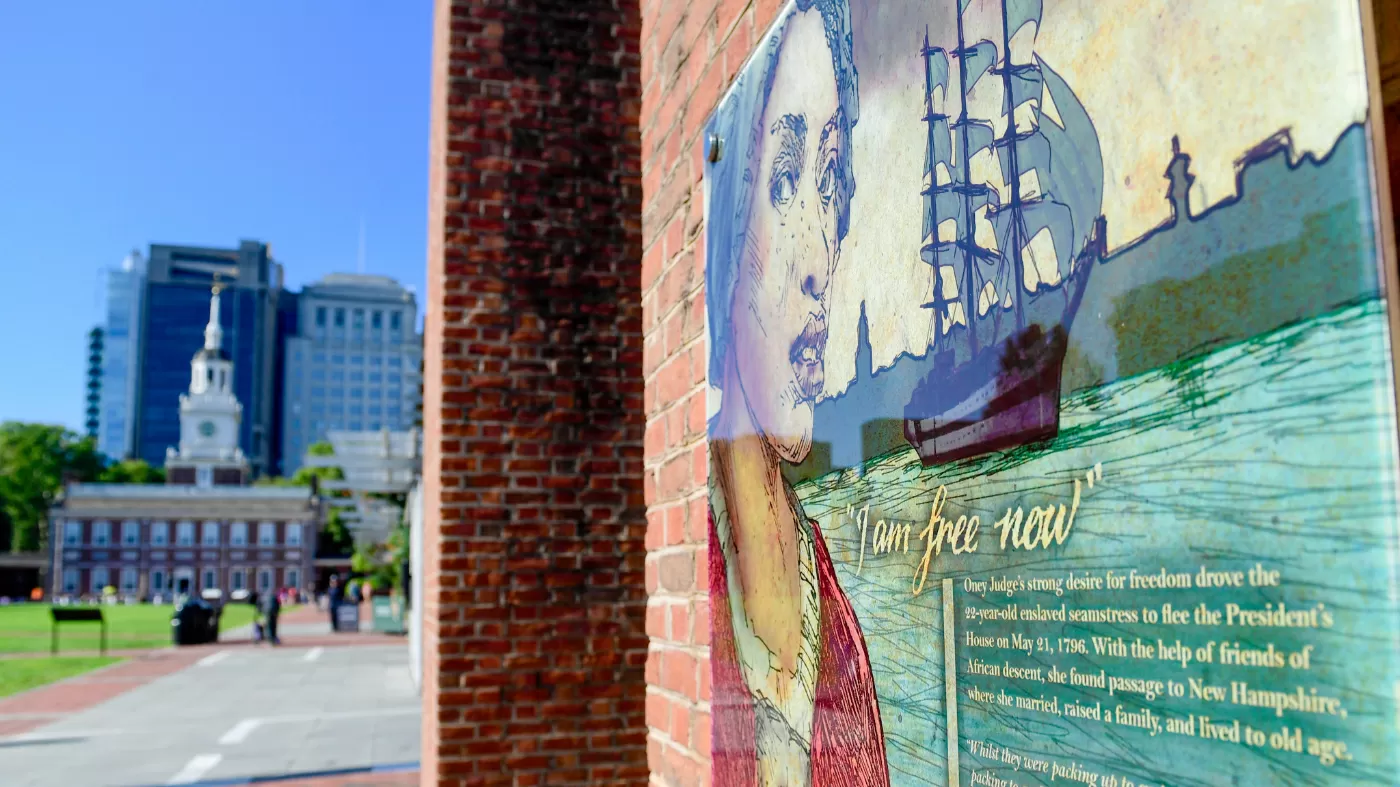
Leaked documents have recently revealed the Trump administration’s extensive efforts to review the telling of America’s history at national parks. The documents, which were first reported by The Washington Post, provide new insights into the administration’s attempts to reshape the narrative of our nation’s past.
The leaked database contains hundreds of signs, exhibits, films, and other items that have been flagged for review under the Trump administration’s initiative. This initiative, known as the “American Heroes” program, aims to promote a more positive and patriotic version of American history at national parks.
The documents show that the scope of this program is far-reaching, with plans to review and potentially alter historical markers and exhibits at some of the country’s most iconic national parks, including the Grand Canyon, Mount Rushmore, and the Statue of Liberty.
One of the main goals of the American Heroes program is to highlight the achievements and contributions of key figures in American history, such as the Founding Fathers and military heroes. This is in line with President Trump’s previous statements about wanting to promote a more “patriotic education” in schools and public spaces.
However, critics of the program argue that it is an attempt to rewrite history and ignore the more complex and often painful aspects of America’s past. They point to the fact that many of the items flagged for review are related to the history of Native Americans, African Americans, and other marginalized communities.
For example, the documents reveal that the National Park Service is considering removing a sign at the Grand Canyon that acknowledges the role of climate change in shaping the landscape. This move has been met with backlash from environmentalists and scientists who argue that it is important to acknowledge the impact of human activity on the environment.
Similarly, the documents also show plans to review exhibits at the Statue of Liberty that discuss the history of immigration in the United States. This has sparked concern among immigrant rights groups who fear that the administration is trying to downplay the contributions of immigrants to American society.
The leaked documents have also shed light on the involvement of political appointees in the review process. According to the database, political appointees have been heavily involved in the selection and review of items, raising questions about the objectivity and accuracy of the changes being proposed.
Despite these concerns, the Trump administration has defended the American Heroes program, stating that it is necessary to promote a more positive and patriotic view of American history. They argue that the current narrative of America’s past is too focused on the negative aspects and fails to recognize the country’s achievements and exceptionalism.
However, many historians and experts have expressed concern about the potential consequences of altering the telling of America’s history. They argue that it is important to acknowledge and learn from the mistakes of the past in order to move forward as a nation.
Furthermore, critics argue that the American Heroes program is a part of a larger trend of erasing and whitewashing history, as seen in the removal of Confederate monuments and the renaming of military bases named after Confederate leaders.
In conclusion, the leaked documents related to the Trump administration’s review of history at national parks have sparked a heated debate about the role of politics in shaping our understanding of America’s past. While some see it as a necessary step towards promoting a more positive view of American history, others view it as a dangerous attempt to rewrite and erase important aspects of our nation’s story. As the review process continues, it is important to carefully consider the implications of these changes and ensure that the telling of America’s history remains accurate and inclusive.
