
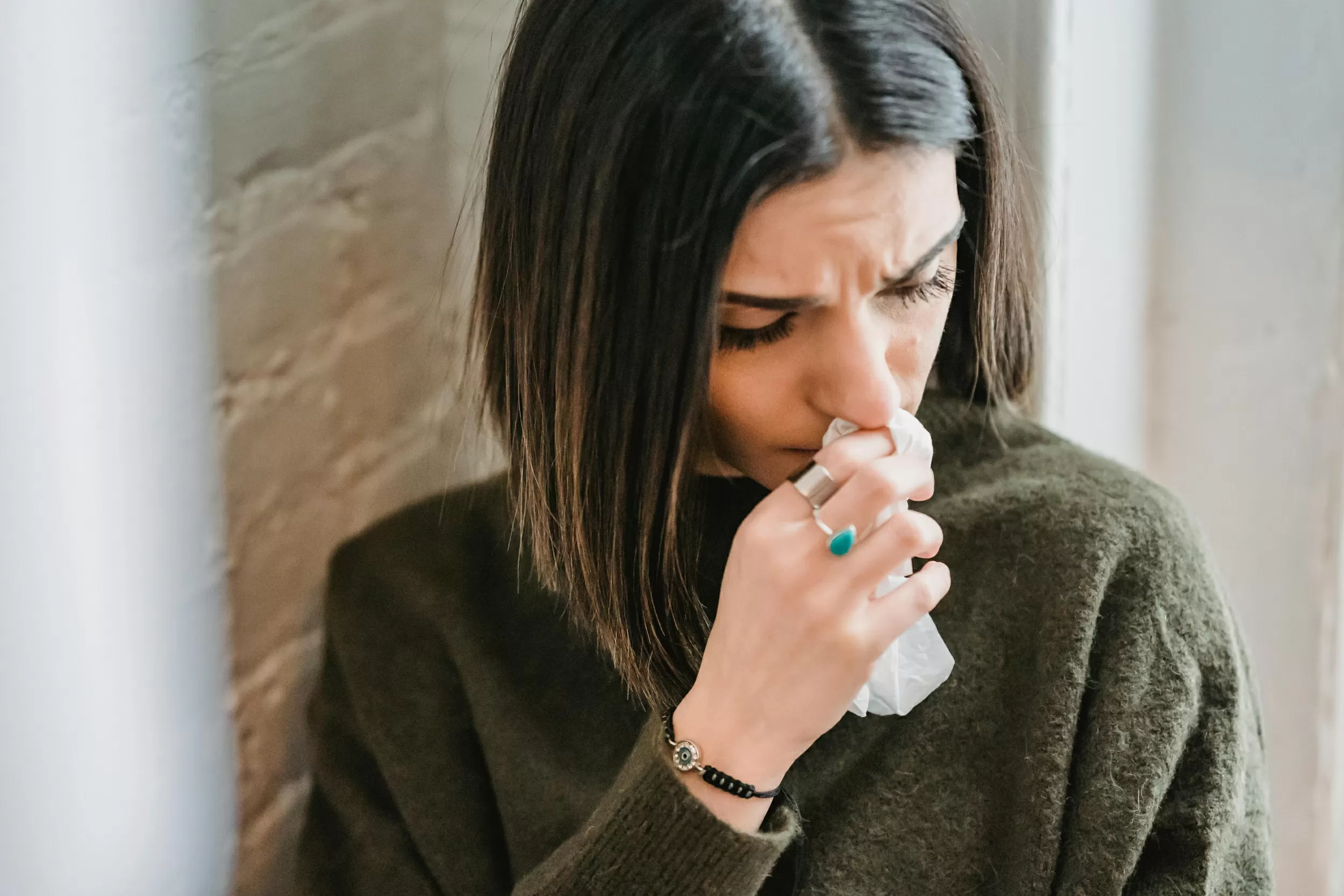
Common cold is a common illness that affects people all over the world. It is caused by a virus and can be easily spread through coughing, sneezing or even by touching contaminated surfaces. While it may seem like a minor inconvenience, the symptoms of a cold can make us feel miserable, affecting our daily routine and productivity. As a result, many of us turn to various remedies in hopes of finding relief. However, not all remedies are created equal, and some may even do more harm than good. In this article, we will explore the common cold remedies, what actually works for symptoms, what doesn’t, and safe home treatments backed by medical guidance and research.
Firstly, it is important to understand that there is no cure for the common cold. Antibiotics are ineffective against viruses, and the body’s immune system is responsible for fighting off the infection. Therefore, the goal of treatment is to manage the symptoms and make the illness more bearable. Over-the-counter (OTC) medications such as pain relievers, decongestants, and cough suppressants are often used to alleviate symptoms. However, it is crucial to use these medications as directed and to consult a doctor if symptoms persist or worsen.
Pain relievers, such as acetaminophen or ibuprofen, can help reduce fever and relieve muscle aches and headaches that often accompany a cold. Decongestants, both in oral and nasal spray form, can help alleviate a stuffy nose and sinus pressure. However, it is important to note that decongestant nasal sprays should not be used for more than three days as they can cause a rebound effect, making congestion worse. Cough suppressants can also be helpful in relieving a persistent cough, but they should not be used for a prolonged period as they can suppress the body’s natural ability to clear mucus.
While these OTC medications can provide relief, they do not actually treat the underlying cause of the cold. In fact, research has shown that they may only shorten the duration of a cold by a day or two. Therefore, it is important to use them in moderation and not rely on them as a cure.
Another popular remedy for the common cold is vitamin C. It is believed that high doses of vitamin C can boost the immune system and prevent or shorten the duration of a cold. However, scientific evidence does not support this claim. While vitamin C is essential for overall health, taking excessive amounts will not prevent or cure a cold. The best way to ensure you are getting enough vitamin C is to consume a healthy and balanced diet.
Herbal remedies, such as echinacea and zinc, have also been touted as effective in treating the common cold. However, there is limited research supporting their effectiveness. In fact, some studies have shown that they may have little to no impact on cold symptoms. Additionally, herbal remedies can interact with other medications and cause adverse effects. It is important to consult a doctor before taking any herbal supplements.
Now that we have discussed what works and what doesn’t, let’s explore some safe home treatments that can help alleviate cold symptoms. One of the most effective treatments is staying hydrated. Drinking plenty of fluids, especially water and warm beverages, can help thin mucus and relieve congestion. Another effective home remedy is using a saline nasal spray or a neti pot to flush out nasal passages and relieve congestion. Gargling with salt water can also help soothe a sore throat.
Rest and sleep are also crucial in fighting off a cold. When we are sick, our body needs extra energy to fight the infection, and rest allows it to do so efficiently. In addition, a warm and humid environment can help relieve congestion, so taking a hot shower or using a humidifier can provide relief.
In conclusion, while there is no cure for the common cold, there are various remedies and treatments that can help alleviate its symptoms. OTC medications, vitamin C, and herbal remedies may provide some relief, but they should be used with caution and only as directed. On the other hand, safe home treatments such as staying hydrated, getting enough rest, and using saline nasal sprays can provide effective relief without any potential side effects. It is important to remember that prevention is the best way to avoid a cold, so make sure to wash your hands frequently, avoid close contact with sick individuals, and maintain a healthy lifestyle. Stay healthy and stay safe!
