
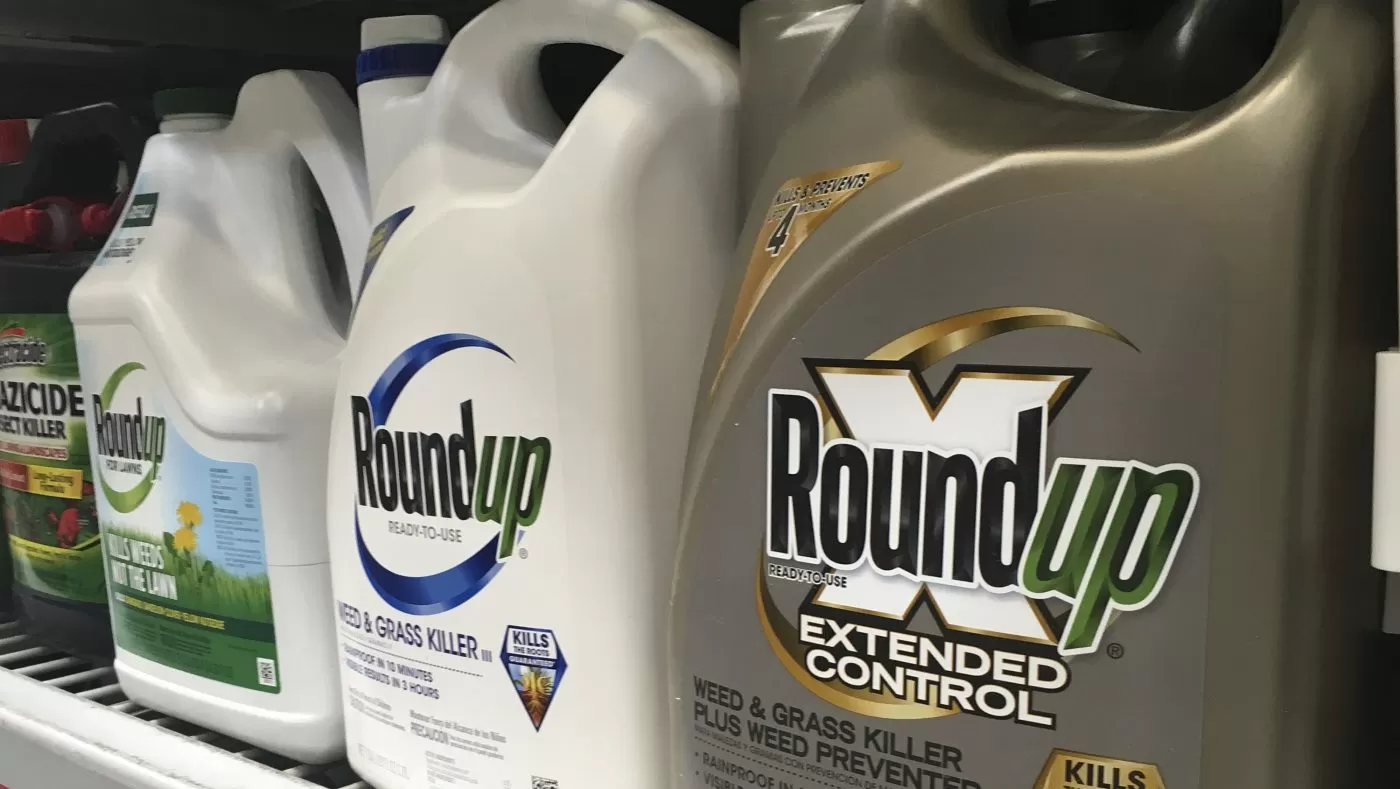
President Trump has once again made headlines this week with his latest executive order, which seeks to boost the use of the controversial herbicide glyphosate. This move has drawn criticism from the Make America Healthy Again (MAHA) movement, who are concerned about the potential health and environmental impacts of this widely used weedkiller.
Glyphosate, a key ingredient in the popular weedkiller Roundup, has been a topic of much debate and litigation in recent years. While some argue that it is a safe and effective way to control weeds and increase agricultural productivity, others have raised concerns about its potential link to health issues such as cancer.
In his executive order, President Trump has described glyphosate as “a cornerstone of this Nation’s agricultural productivity and rural economy.” He believes that by promoting the use of this herbicide, he is supporting American farmers and boosting the country’s economy.
However, this move has been met with strong opposition from the MAHA movement, who have been advocating for a healthier and more sustainable approach to agriculture. They argue that the use of glyphosate is not only harmful to human health, but also to the environment and wildlife.
The MAHA movement has been pushing for stricter regulations on glyphosate and other harmful chemicals used in agriculture. They believe that the government should prioritize the health and well-being of its citizens over the profits of big corporations.
In response to the executive order, MAHA has released a statement expressing their disappointment and concern. “We are deeply disappointed by President Trump’s decision to promote the use of glyphosate. This herbicide has been linked to numerous health issues and poses a threat to our environment. We urge the government to prioritize the health and safety of its citizens and take action to regulate the use of glyphosate.”
The use of glyphosate has been a contentious issue for many years, with conflicting studies and opinions on its safety. The World Health Organization’s International Agency for Research on Cancer (IARC) has classified glyphosate as a “probable carcinogen,” while the Environmental Protection Agency (EPA) maintains that it is not a significant risk to human health.
Despite the controversy surrounding glyphosate, it remains one of the most widely used herbicides in the world. Its effectiveness in controlling weeds has made it a popular choice among farmers, and its use has only increased in recent years.
President Trump’s executive order has been praised by the agricultural industry, with many farmers and companies welcoming the support for glyphosate. They argue that without this herbicide, their crops would be at risk and their livelihoods would be in jeopardy.
However, the MAHA movement and other environmental groups are calling for a more sustainable approach to agriculture. They believe that there are safer and more environmentally friendly alternatives to glyphosate that should be explored and promoted.
In conclusion, President Trump’s executive order to boost the use of glyphosate has sparked a heated debate between the agricultural industry and environmental groups. While the government believes that this move will benefit the economy and support American farmers, others are concerned about the potential health and environmental impacts. It is clear that more research and regulation is needed to determine the true effects of glyphosate and to ensure the safety and well-being of all citizens.
