
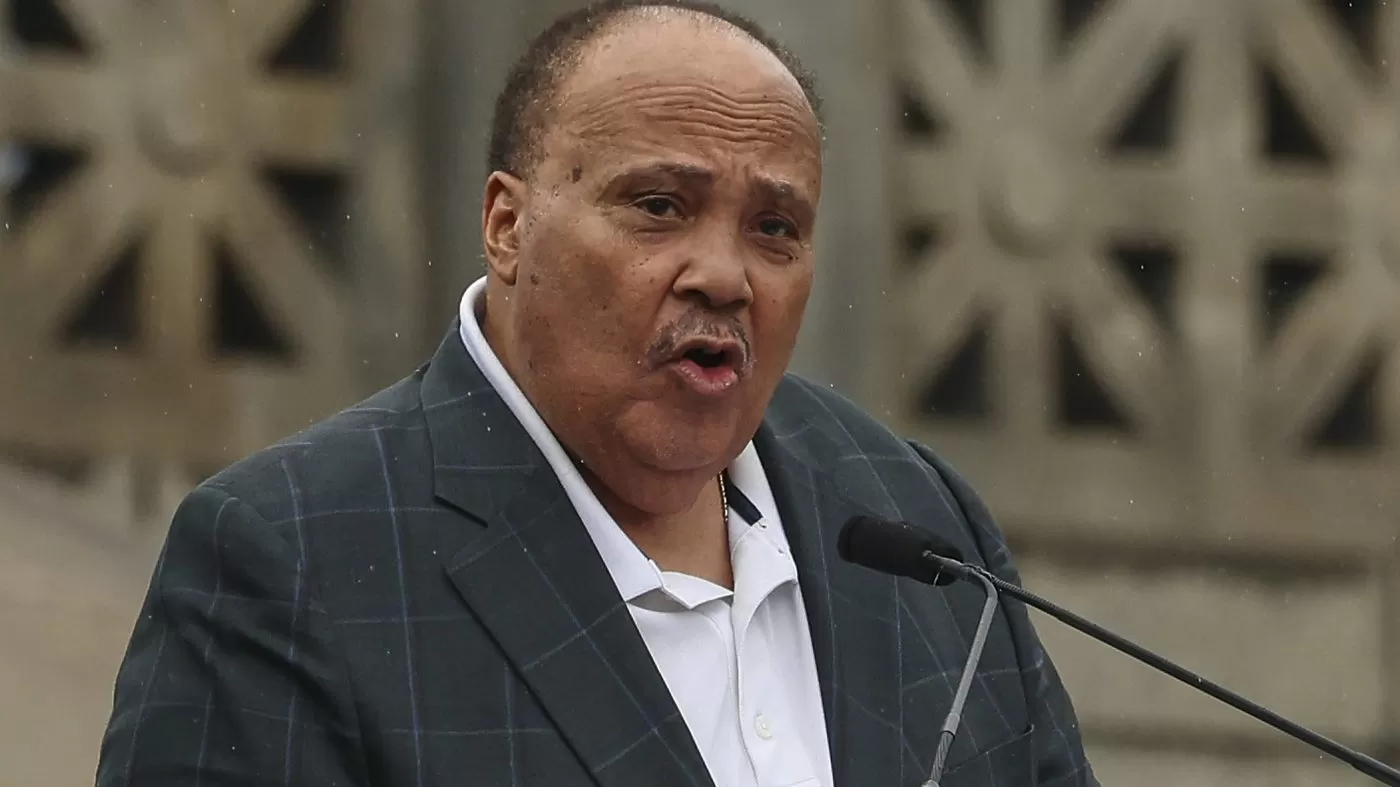
Martin Luther King III, the son of civil rights advocate the Rev. Martin Luther King Jr., has recently accused the National Park Service of “sanitizing history” at the Medgar Evers House Museum in Mississippi. This accusation comes amid reported changes to the museum, which honors the life and legacy of civil rights activist Medgar Evers.
Evers, who was the first NAACP field secretary in Mississippi, dedicated his life to fighting for equality and justice for African Americans. His tireless efforts and unwavering courage made him a prominent figure in the civil rights movement. However, his life was tragically cut short when he was assassinated at the young age of 37.
The Medgar Evers House Museum, located in Jackson, Mississippi, has been a significant site in honoring Evers’ memory and educating the public about his contributions to the civil rights movement. The house, where Evers lived with his family, was turned into a museum in 1994 and has since been a symbol of hope and progress for the African American community.
However, in recent years, there have been talks of changes being made to the museum by the National Park Service. Martin Luther King III, who is also a civil rights activist and the chairman of the Drum Major Institute, has raised concerns about these changes and their potential impact on the museum’s historical accuracy.
In a statement released on Thursday, King stated, “It is deeply concerning to hear that the National Park Service is considering making changes to the Medgar Evers House Museum that would sanitize history and diminish the legacy of my father’s dear friend and colleague, Medgar Evers.”
King’s concerns stem from reports that the National Park Service is planning to remove certain items from the museum, such as Evers’ personal belongings and photographs, and replace them with more generic exhibits. These changes, according to King, would not accurately portray Evers’ life and the significance of his contributions to the civil rights movement.
The National Park Service, however, has defended their plans, stating that the changes are part of a larger effort to update and modernize the museum. They also claim that the changes will not diminish Evers’ legacy but rather enhance it by making the museum more accessible to a wider audience.
But King remains unconvinced and believes that any changes made to the museum should be done in consultation with the Evers family and the community. He also emphasizes the importance of preserving the authenticity of the museum and the stories it tells.
“The Medgar Evers House Museum is not just a building; it is a symbol of the struggles and sacrifices made by Medgar Evers and countless others in the fight for civil rights. It is a place where we can learn from the past and strive towards a better future,” King stated.
The controversy surrounding the changes at the Medgar Evers House Museum highlights the ongoing struggle to accurately portray and honor the history of the civil rights movement. It also serves as a reminder that the fight for equality and justice is far from over.
As we continue to honor the legacies of civil rights leaders like Medgar Evers and Martin Luther King Jr., it is crucial that we preserve the integrity of historical sites and accurately tell their stories. Let us not forget the sacrifices made by these courageous individuals and continue to work towards a more just and equal society for all.
