
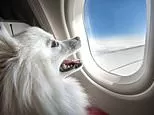
As pet owners, we all want to ensure that our furry companions are safe and comfortable, especially when it comes to travelling. For many of us, our dogs are not just pets, but also valued members of our family. However, travelling with dogs can often be a stressful and overwhelming experience, especially when it involves air travel. Fortunately, specialists at Years, a dog food subscription service, have shared their expertise on the dos and don’ts of travelling with dogs on planes. From airline requirements to the foods to avoid feeding them before take-off, here are some important tips to keep in mind before embarking on your next adventure with your four-legged friend.
First and foremost, it is important to check the airline’s policies and requirements regarding travelling with pets. Each airline has its own rules and regulations, so it is crucial to do your research beforehand to avoid any last-minute surprises or complications. Some airlines may require a health certificate from a veterinarian, proof of vaccinations, or a specific type of carrier for your dog. It is also essential to book your dog’s ticket and notify the airline in advance to ensure that there is enough space for your pet on the flight.
When it comes to choosing a carrier for your dog, it is crucial to select one that is appropriate in size, well-ventilated, and sturdy. The carrier should also have enough room for your dog to stand, sit, and turn around comfortably. It is recommended to introduce your dog to the carrier before the trip to help them get accustomed to it. This will also help reduce their anxiety and make them feel more at ease during the flight.
Before travelling, it is important to ensure that your dog is in good health. A visit to the veterinarian is highly recommended to ensure that your dog is fit to travel. The vet can also provide any necessary medications, such as sedatives, to help keep your dog calm during the flight. It is imperative not to give your dog any medication without consulting a vet first.
Another important aspect to consider is your dog’s diet before the flight. It is recommended to give your dog a light meal at least four hours before the flight to avoid any discomfort or accidents during the journey. Avoid feeding your dog any foods that can cause digestive issues, such as dairy products, spicy foods, or fatty foods. Specialists at Years advise against giving your dog any new foods before travelling as it can upset their stomach and cause discomfort.
While travelling, it is essential to keep your dog hydrated. Make sure to bring a water bottle and a collapsible bowl with you to provide your dog with water during layovers or delays. It is also a good idea to pack some of your dog’s favorite treats to keep them happy and occupied during the flight. However, make sure to avoid giving them treats that are high in calories or sugar, as they can cause stomach upset and discomfort.
During the flight, it is crucial to keep your dog calm and comfortable. This can be achieved by covering the carrier with a blanket or towel to block out any distractions and provide a sense of security. You can also place a familiar item, such as a toy or blanket, in the carrier to help your dog feel more at ease. If your dog tends to get anxious or restless during flights, consider booking a direct flight to reduce the stress of layovers and transfers.
Once you have reached your destination, it is important to give your dog some time to adjust to the new surroundings. Avoid any strenuous activities or long walks immediately after the flight as it can be overwhelming for your dog. It is recommended to take your dog for a short walk and allow them to sniff around and explore their new surroundings at their own pace.
Travelling with dogs on planes may seem daunting, but with proper planning and preparation, it can be a smooth and enjoyable experience for both you and your furry companion. By following these dos and don’ts shared by the specialists at Years, you can ensure that your dog feels safe, comfortable, and happy throughout the journey. Remember to always prioritize your dog’s well-being and consult a veterinarian for any concerns or questions before travelling. Happy travels!
