
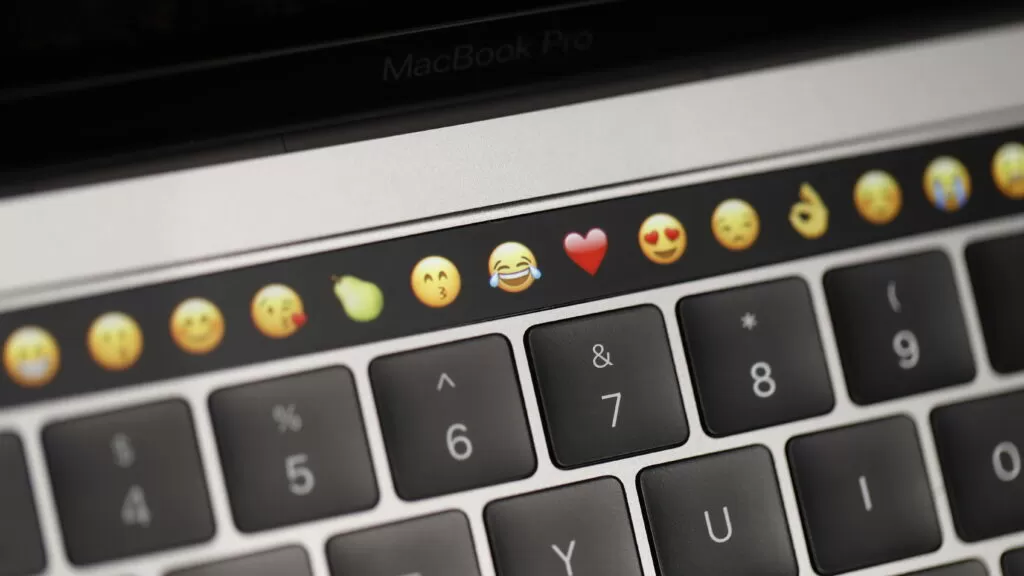
New research has raised an interesting question – could the use of emojis in clinical records have an impact on patient understanding, perceived professionalism, and legal liability? While emojis have become a popular form of communication in our daily lives, their use in a professional setting, such as in medical records, has been a topic of debate. In this article, we will delve into the potential implications of using emojis in clinical records and how it could affect patient care.
Emojis, a combination of characters or images used to convey emotions, have become a widely accepted form of communication, especially in informal conversations. It is estimated that over 92% of the online population uses emojis, and their use has become a crucial part of modern communication. However, their use in clinical records, which are considered legal documents, has sparked a discussion among healthcare professionals.
A recent study published in the Journal of the American Medical Association (JAMA) examined the use of emojis in electronic health records (EHRs) and its potential impact on patient care. The study found that emojis were used in approximately 10% of the EHRs analyzed, with the most common emojis being the smiling face, heart, and thumbs up. The study also revealed that healthcare providers were more likely to use emojis when documenting positive emotions such as happiness or empathy.
On the surface, the use of emojis in clinical records may seem harmless. After all, emojis are used to express emotions and can add a touch of personalization to the otherwise technical and impersonal nature of medical records. However, the concern lies in the potential impact of emojis on patient understanding, perceived professionalism, and legal liability.
One of the primary concerns raised by the study is the potential misinterpretation of emojis in clinical records. While emojis are meant to convey emotions, they can be open to interpretation, leading to confusion and miscommunication. This could be especially problematic in a medical setting, where clear and accurate communication is crucial for patient care. For instance, a doctor’s use of a smiling face emoji after discussing a serious medical condition could be perceived as downplaying the severity of the situation, leading to a misunderstanding between the doctor and the patient.
Moreover, the use of emojis in clinical records could also affect the perceived professionalism of healthcare providers. Medical records are legal documents and are expected to be objective and free of personal bias. The use of emojis, which are often associated with casual and informal conversations, could undermine the credibility and professionalism of healthcare providers. This could have a negative impact on the trust between patients and healthcare providers, which is essential for effective patient care.
In addition to affecting patient understanding and perceived professionalism, the use of emojis in clinical records could also have legal implications. Medical records serve as a crucial piece of evidence in legal proceedings and are expected to be accurate and unbiased. The use of emojis, which could be subjective and open to interpretation, could be used against healthcare providers in a legal dispute. This could potentially put healthcare providers at risk of legal liability, leading to more significant consequences.
While the use of emojis in clinical records may have its drawbacks, some argue that it could also have positive implications. In a fast-paced and high-stress environment, emojis could serve as a means of improving communication between healthcare providers and patients. Emojis can convey emotions more effectively than words, allowing for a better understanding of the patient’s emotional state. This could be especially beneficial in mental health settings, where emotions and feelings play a crucial role in patient care.
Moreover, the use of emojis could also improve patient engagement and satisfaction. Emojis can add a personal touch to clinical records, making them more relatable and humanizing. This could help patients develop a better rapport with their healthcare providers, leading to improved patient satisfaction.
In conclusion, the use of emojis in clinical records is a topic that requires further exploration. While it may seem like a harmless addition to medical records, it could have implications on patient understanding, perceived professionalism, and legal liability. Healthcare providers must carefully consider the potential impact of emojis on patient care and the legal implications before incorporating them into clinical records. Further research and guidelines are needed to determine the appropriate use of emojis in medical settings. As we continue to navigate the ever-evolving landscape of healthcare, it is essential to prioritize effective communication and patient care above all else.
