
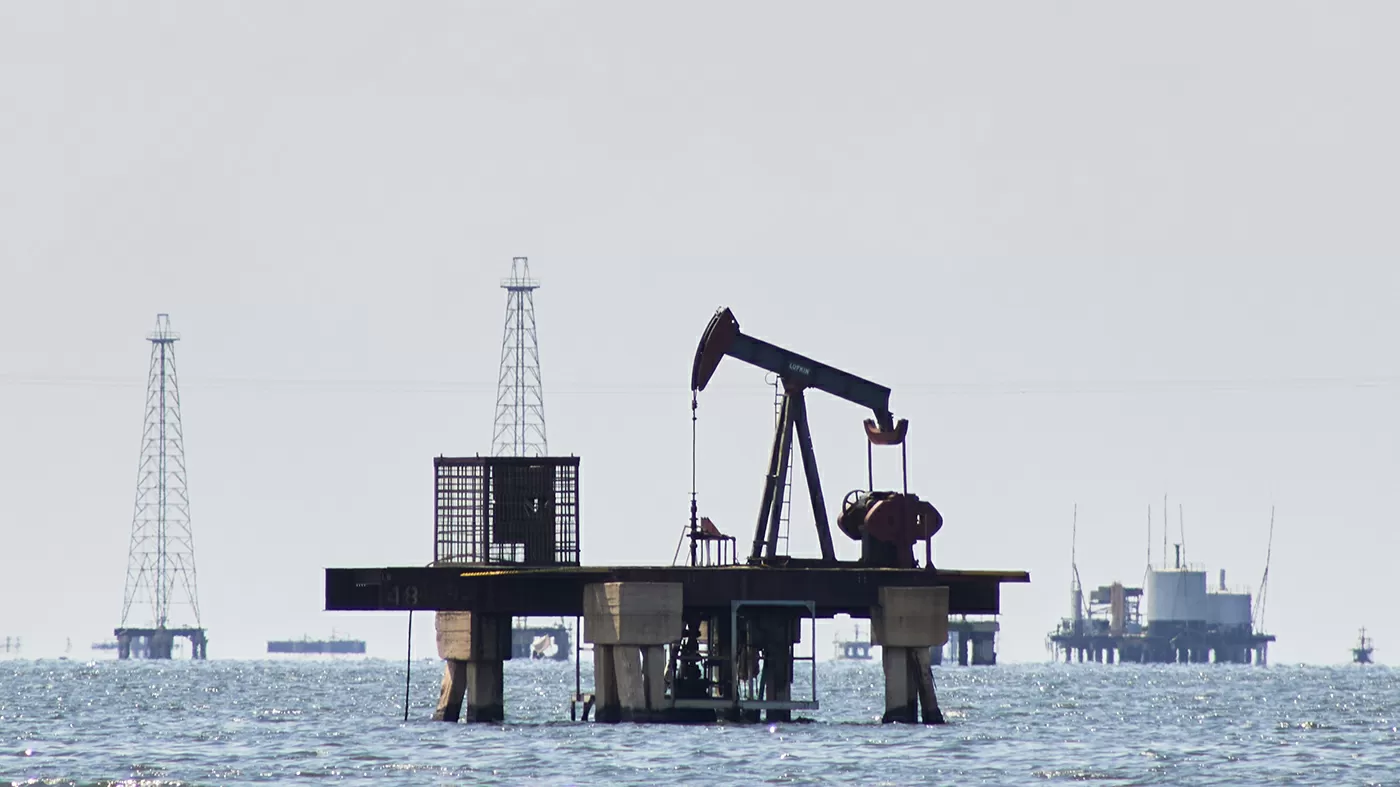
The Trump administration’s plans for Venezuelan oil are finally coming into focus, and it seems that the initial push for U.S. involvement may be taking a step back. After the capture of Venezuelan leader Nicolás Maduro, President Trump had indicated that U.S. firms would be heavily involved in the production of Venezuelan oil. However, recent developments suggest a different approach, with the possibility of a U.S. takeover of the fuel produced in Venezuela.
This shift in strategy has been met with mixed reactions, with some experts praising it as a more calculated and strategic move, while others express concern over the potential consequences. But one thing is clear – the Trump administration is determined to secure control over Venezuelan oil, and they are willing to explore all options to achieve this goal.
The initial plan was to involve U.S. producers in the production of Venezuelan oil, with the hope of boosting the country’s economy and providing much-needed relief to its people. However, this plan was met with resistance from both within the U.S. and internationally. Many argued that such involvement would only further complicate the already volatile political situation in Venezuela and could potentially lead to a military intervention.
In light of these concerns, the Trump administration seems to be taking a more cautious approach. Instead of direct involvement, they are now considering a U.S. takeover of the fuel produced in Venezuela. This would involve purchasing the oil from the country and controlling its distribution, essentially giving the U.S. a monopoly over Venezuelan oil.
While this may seem like a drastic move, it could potentially have significant benefits for both the U.S. and Venezuela. For the U.S., it would mean a steady and reliable source of oil, reducing its dependence on other oil-producing countries. It would also give the U.S. more leverage in negotiations with other major oil producers, such as Russia and Saudi Arabia.
For Venezuela, a U.S. takeover of its oil could provide much-needed economic stability. The country’s economy has been in a downward spiral for years, with hyperinflation and shortages of basic goods. With the U.S. controlling the distribution of its oil, Venezuela could see an increase in revenue, which could be used to address these issues and improve the lives of its citizens.
However, there are also concerns about the potential consequences of a U.S. takeover. Some experts argue that it could further destabilize the country and lead to increased tensions with other major oil-producing countries. There are also concerns about the impact on the Venezuelan people, as a U.S. takeover could potentially lead to higher oil prices and further economic hardships.
Despite these concerns, the Trump administration seems determined to move forward with their plans. In fact, they have already taken steps towards this goal, with the U.S. imposing sanctions on Venezuela’s state-owned oil company, PDVSA, in an effort to pressure Maduro to step down.
It is clear that the Trump administration sees Venezuelan oil as a valuable asset and is willing to do whatever it takes to secure control over it. And while there are valid concerns about the potential consequences of a U.S. takeover, it is also important to consider the potential benefits for both countries.
In the end, only time will tell how this plan will unfold and what impact it will have on Venezuela and the global oil market. But one thing is for sure – the Trump administration’s plans for Venezuelan oil are beginning to take shape, and the world will be watching closely as events continue to unfold.
