
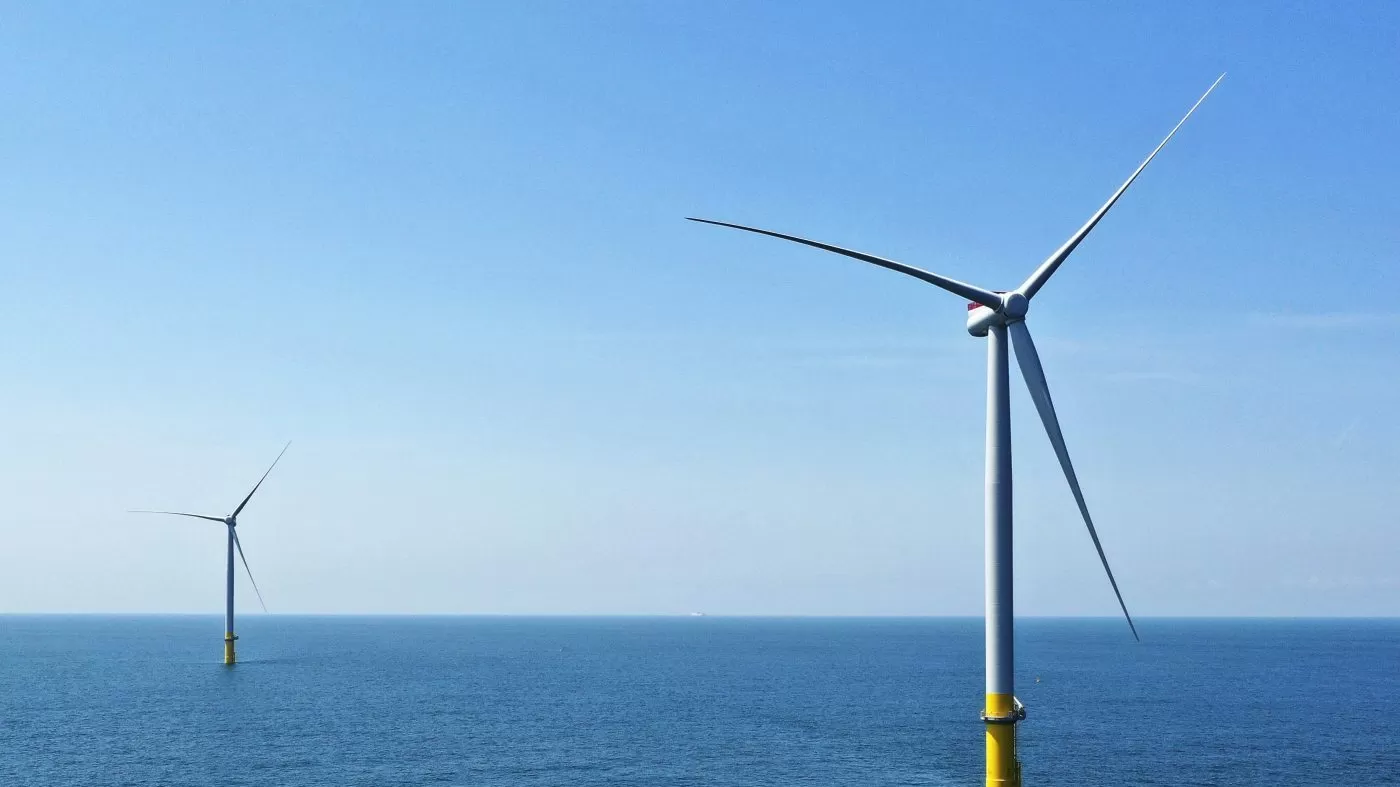
The Trump administration’s latest move to block offshore wind turbine construction is facing strong resistance in the courts. In December, the administration suspended the authority of five major offshore wind projects to build in federal waters. This decision has caused an uproar among environmentalists and renewable energy advocates, who see it as a major setback in the fight against climate change.
The suspended projects, located off the coasts of New York, New Jersey, and Massachusetts, were granted leases by the federal government to use the ocean for wind energy production. These projects, once completed, have the potential to generate clean and renewable energy to power millions of homes. However, the Trump administration’s decision has put a halt to their progress, citing concerns over the impact on fishing and other marine activities.
This move by the administration has been met with strong pushback from the affected states, environmental groups, and even the wind industry itself. They argue that the decision is not only short-sighted but also goes against the country’s efforts to transition to a clean energy future. The suspension of these projects not only jeopardizes the development of offshore wind energy but also sends a negative message to investors and developers who are crucial in driving the growth of this industry.
The fight against offshore wind energy is not a new one for the Trump administration. Since taking office, President Trump has been vocal about his opposition to wind turbines, citing their negative impact on the environment and tourism. However, these claims have been widely debunked, and the benefits of offshore wind energy far outweigh any potential drawbacks.
One of the main arguments against offshore wind energy is its impact on the fishing industry. However, studies have shown that the two can coexist and even benefit each other. Offshore wind turbines can act as artificial reefs, providing shelter for marine life and attracting fish populations. Additionally, the wind industry has committed to working closely with the fishing community to minimize any potential disruption to their activities.
Furthermore, offshore wind energy has the potential to create thousands of jobs and boost the economy of coastal communities. The development of these projects would require a skilled workforce, providing employment opportunities for local residents. It would also bring in significant investments and revenue to these communities, helping them thrive and grow.
The suspension of these offshore wind projects also goes against the country’s efforts to combat climate change. The use of fossil fuels for energy production is one of the leading causes of greenhouse gas emissions, which contribute to global warming. The development of offshore wind energy would significantly reduce our reliance on fossil fuels and help us meet our clean energy goals. It is a crucial step in the fight against climate change and ensuring a sustainable future for generations to come.
Fortunately, the courts have stepped in to challenge the Trump administration’s decision. In January, a federal judge ruled that the administration’s suspension of the offshore wind projects was unlawful and ordered the government to continue processing the projects’ permits. This ruling is a significant victory for the wind industry and a step towards a cleaner and more sustainable future.
In conclusion, the Trump administration’s attempt to block offshore wind turbine construction is facing strong opposition from all fronts. The suspension of these projects is not only detrimental to the development of clean energy but also goes against our efforts to combat climate change. The courts’ intervention is a glimmer of hope, and we must continue to push for the growth of offshore wind energy. It is time for the administration to prioritize the long-term benefits of renewable energy and work towards a greener and more sustainable future for all.
