
Related Video – DC Bureau: Economy in Focus
The chilly winter season is upon us, and with it comes the need to keep our homes warm and cozy. However, a new report from the National Energy Assistance Directors Association (NEADA) has projected a 9.2 percent increase in home heating costs this winter. This news has sent shockwaves through many households, with concerns about the impact it may have on their budget. But before we start to worry, let’s take a closer look at the reasons behind this projected rise and what steps we can take to alleviate the burden.
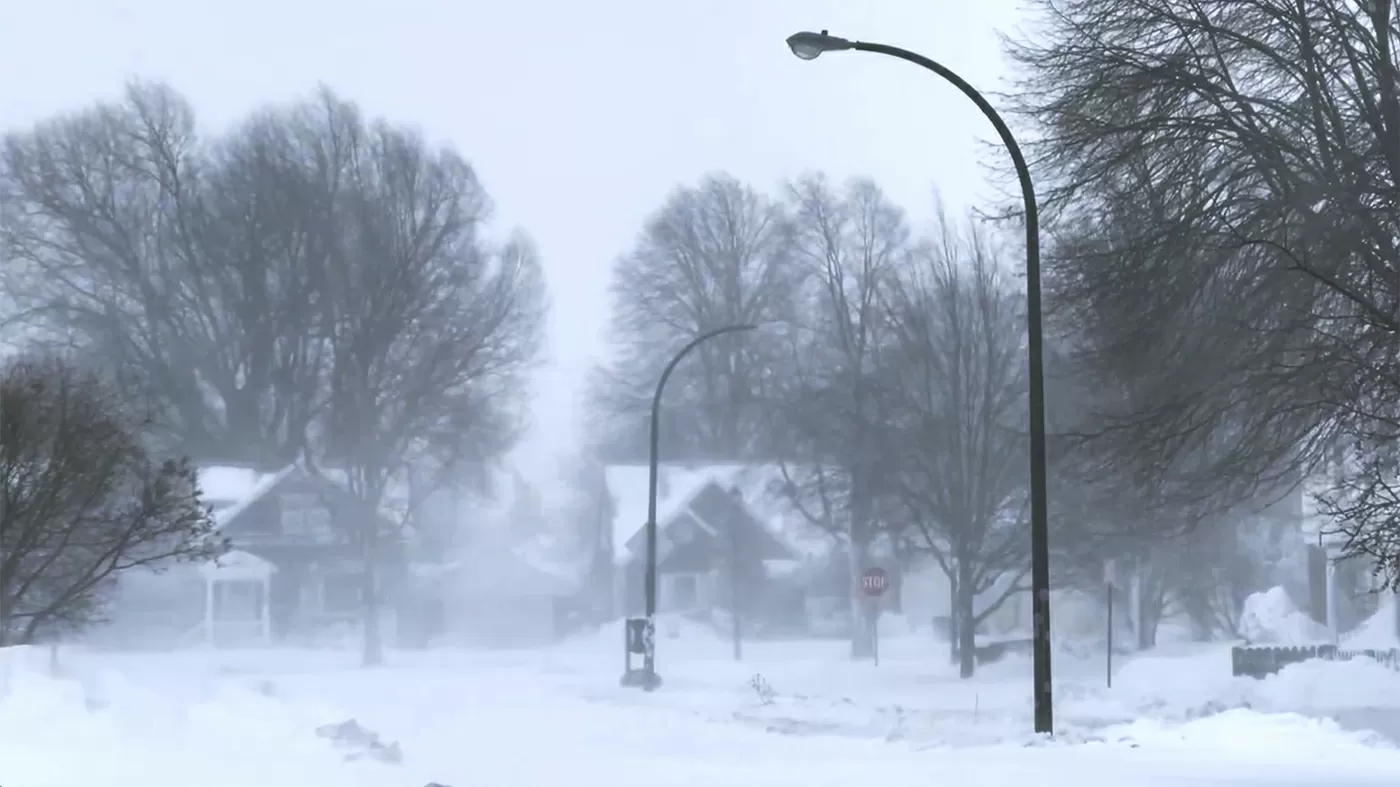
Colder temperatures are one of the main factors contributing to the increase in heating costs. The report states that this winter is expected to be colder than the previous one, with some regions experiencing record-breaking low temperatures. This means that households will need to use more energy to keep their homes warm, leading to higher heating bills.
Another significant factor is the rising energy prices. As the demand for energy increases during the winter season, so does the cost of energy. This, coupled with other global factors such as geopolitical tensions and supply chain disruptions, has caused an increase in energy prices. Unfortunately, it’s something that we have little control over, making it even more crucial for us to take proactive steps in managing our heating costs.
The NEADA report also highlights the role that federal funding plays in helping households with their heating costs. As the association represents state governments in securing federal funding, they have a better understanding of the challenges faced by low-income households. With the projected increase in heating costs, it’s essential for the government to allocate sufficient funding to assist those who are most in need.
So what can households do to mitigate the impact of rising heating costs? Firstly, it’s essential to ensure that our homes are well-insulated. Proper insulation helps to keep the heat inside, reducing the amount of energy needed to keep the house warm. Simple measures such as using draft stoppers for doors and windows, and sealing any air leaks can make a significant difference in reducing heating costs.
Another way to lower heating costs is by being mindful of our energy usage. Small changes like lowering the thermostat by a degree or two, using a programmable thermostat, and turning off the heating when not needed can add up to substantial savings in the long run. It’s also a good idea to check for any potential issues that may be causing heat loss, such as faulty ducts or a malfunctioning thermostat, and get them fixed as soon as possible.
Moreover, many states have programs in place to help low-income households with their heating costs. It’s essential to research and see if you are eligible for any assistance programs that can provide financial relief during the winter months. Whether it’s through federal funding or state programs, it’s crucial for the government to step up and support those who are most vulnerable during this time.
While the projected increase in heating costs may seem daunting, it’s vital to remember that there are steps we can take to reduce its impact. With proper insulation, mindful energy usage, and government assistance, we can overcome the challenges of a colder winter season. Let’s also not forget that this forecast is just a projection, and the actual increase in heating costs may not be as significant as predicted. So, let’s not get too anxious and instead, focus on being proactive and taking the necessary measures to manage our heating costs effectively.
In conclusion, the NEADA report highlights the potential challenges that households may face this winter with the projected increase in heating costs. But it also reminds us that there are ways we can prepare and mitigate the impact of rising energy prices. By being mindful of our energy usage, ensuring proper insulation, and seeking government assistance if needed, we can navigate through this winter season with ease. Let’s not let the increase in heating costs dampen our spirits and instead, let’s focus on staying warm, safe, and positive during these colder months.
