
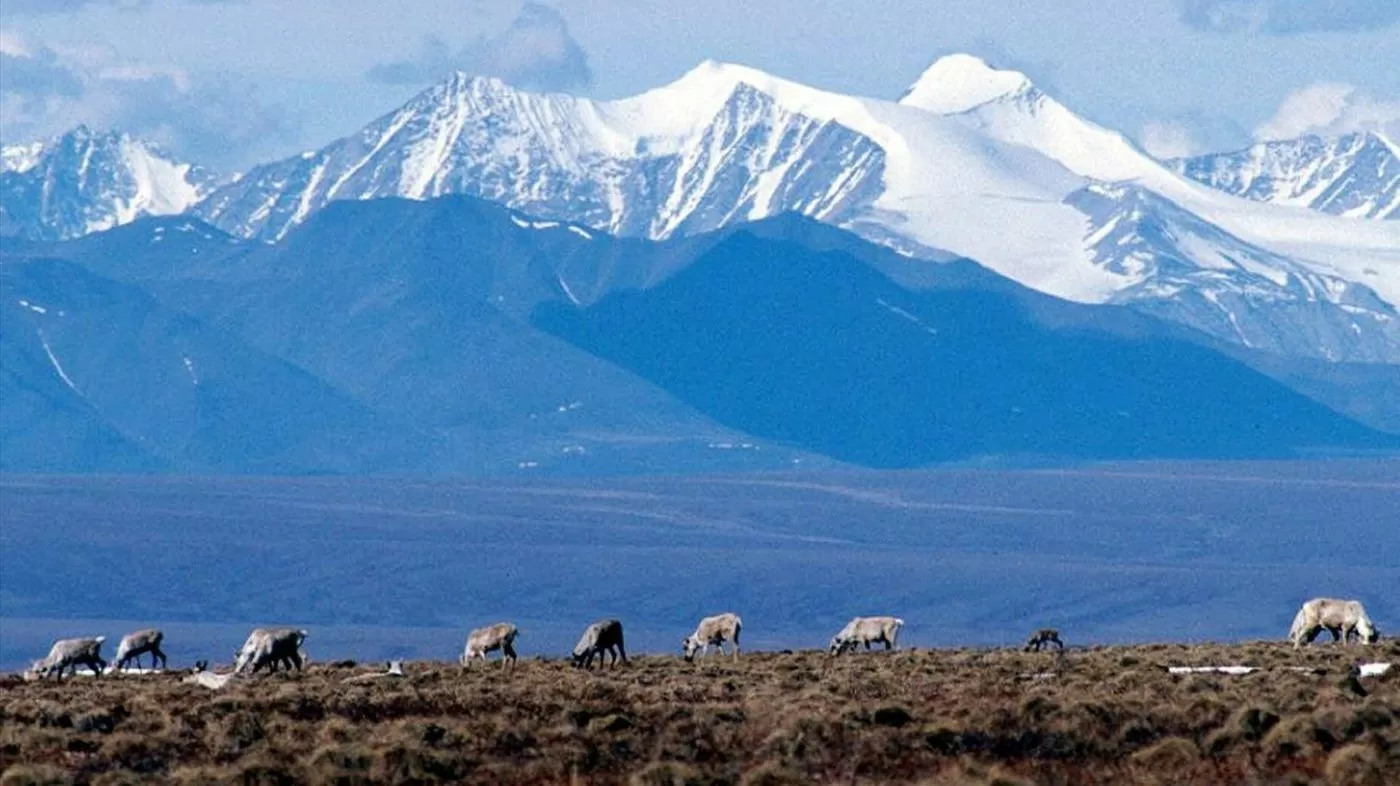
The Arctic region has always been known for its extreme cold temperatures and icy landscapes. However, a recent federal report from the National Oceanic and Atmospheric Administration (NOAA) has revealed some alarming news – the Arctic region has experienced its warmest year ever. This news is not only concerning, but it also highlights the urgent need for action to address the issue of climate change.
According to the report, surface air temperatures in the Arctic from October 2024 to September 2025 were the highest on record since at least 1900. This means that the Arctic region has been heating at an alarming rate, twice as fast as the national average. This is a significant increase and is a cause for great concern.
The report also stated that the last 10 years have been the warmest on record for the Arctic region. This is a clear indication that the warming trend is not slowing down, but rather accelerating. The consequences of this warming trend are far-reaching and have the potential to impact not only the Arctic region but the entire planet.
The Arctic region is home to a diverse range of wildlife, including polar bears, walruses, and seals. These animals rely on the Arctic’s icy environment for their survival. However, with the increasing temperatures, the ice is melting at an alarming rate, making it difficult for these animals to find food and shelter. This has led to a decline in their population and has also disrupted the delicate balance of the Arctic ecosystem.
Moreover, the melting of the Arctic ice has also contributed to the rise in sea levels, which poses a threat to low-lying coastal areas around the world. This, coupled with the extreme weather events and natural disasters that have become more frequent due to climate change, is a cause for concern for the entire global community.
The NOAA report also highlighted the impact of the warming Arctic on the rest of the world. The melting of the Arctic ice has led to changes in ocean currents and weather patterns, which can have a significant impact on global weather systems. This means that the warming of the Arctic is not just a regional issue, but a global one that requires immediate attention.
The good news is that there is still time to take action and address the issue of climate change. The report emphasizes the need for immediate and decisive action to reduce greenhouse gas emissions and slow down the warming trend. This can be achieved through a combination of individual and collective efforts, such as reducing our carbon footprint, investing in renewable energy sources, and implementing policies to reduce emissions.
The report also highlights the importance of international cooperation in addressing climate change. The Arctic region is a shared responsibility, and it is crucial for countries to work together to find solutions and mitigate the effects of climate change. This includes supporting and implementing international agreements such as the Paris Climate Agreement, which aims to limit global warming to well below 2 degrees Celsius.
It is also essential for governments to prioritize the protection of the Arctic region and its fragile ecosystem. This can be achieved through the establishment of protected areas and implementing sustainable practices that will help preserve the Arctic’s unique environment.
In conclusion, the federal report from the NOAA is a wake-up call for all of us. The Arctic region is experiencing its warmest year ever, and the consequences of this warming trend are far-reaching. It is time for us to take action and address the issue of climate change before it’s too late. Let us all work together to protect the Arctic and our planet for future generations.
