
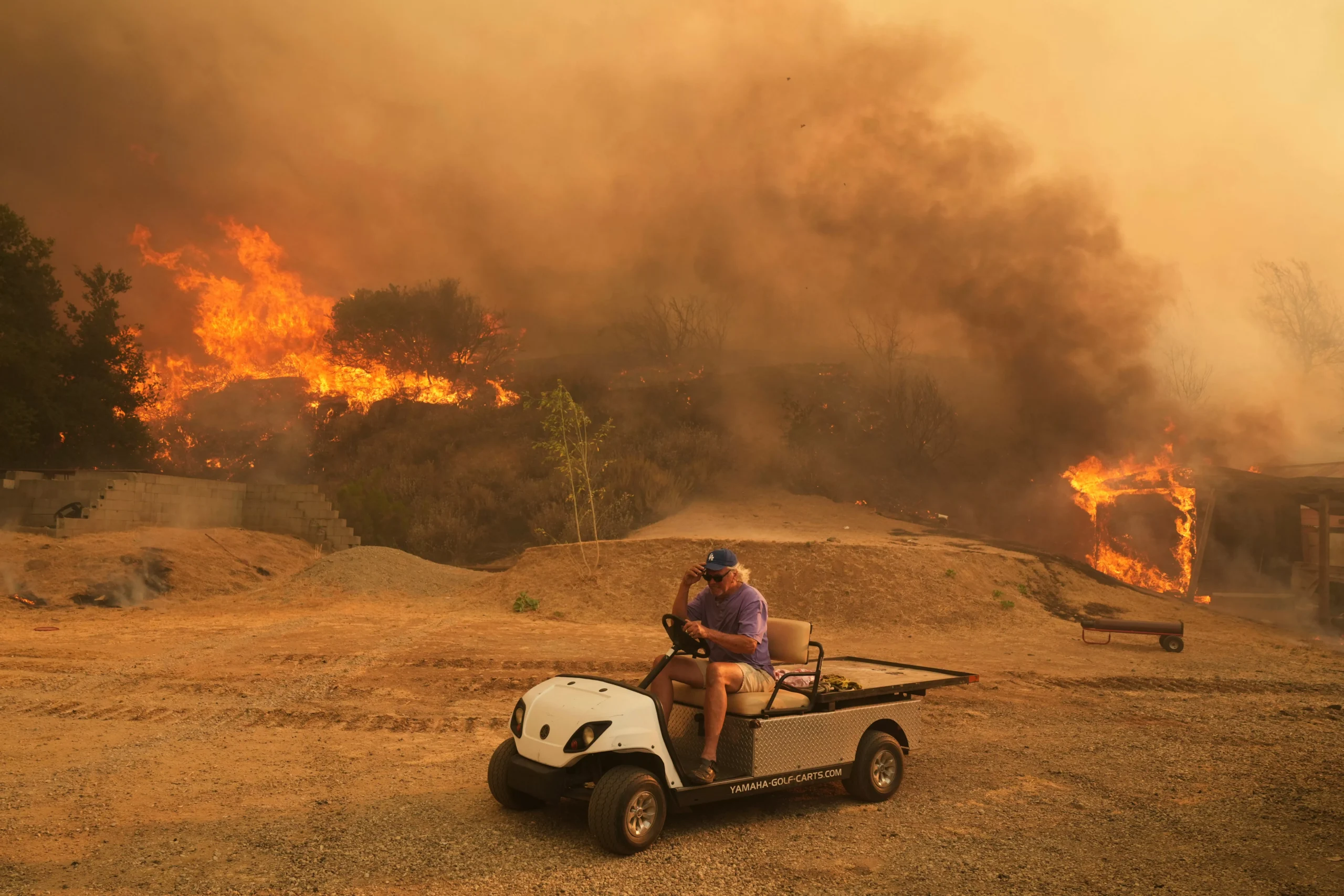
The world is facing multiple environmental crises that are not only threatening the health of our planet, but also the health of its people. Climate change, biodiversity loss, land degradation and pollution are all pressing issues that demand urgent action. In a recent report released by the United Nations, it has been emphasized that these crises are interconnected and therefore, require a new approach that addresses them collectively.
For too long, these issues have been viewed in isolation and dealt with separately. However, the U.N. report highlights the need for a joint effort in tackling these challenges. It is clear that climate change, biodiversity loss, land degradation and pollution are all interlinked, and addressing them in isolation will not yield the desired results. This new approach calls for a holistic and integrated solution that takes into consideration the interconnectedness of these crises.
The consequences of these environmental issues are far-reaching and affect everyone, regardless of their geographical location or socio-economic status. From extreme weather events and natural disasters to the extinction of species and the depletion of natural resources, the impact of these crises is being felt globally. It is high time that we take collective action to reverse the damage and protect our planet for future generations.
One of the key recommendations of the U.N. report is the need for increased spending and financial incentives to transition towards a more sustainable and environmentally friendly future. This includes investing in renewable energy sources, promoting sustainable agriculture practices, and supporting initiatives that focus on conservation and restoration of natural habitats. Governments, businesses, and individuals all have a role to play in this transition, and it is imperative that we work together to make it happen.
The report also stresses the importance of policies that promote a circular economy, where resources are used and reused in a sustainable manner, reducing waste and pollution. This requires a shift in our mindset and a move away from the traditional linear economy, where resources are extracted, used, and then disposed of. By embracing a circular economy, we can not only reduce our impact on the environment but also create new economic opportunities and jobs.
Moreover, the report highlights the need for international cooperation and collaboration in addressing these environmental crises. Climate change, biodiversity loss, land degradation, and pollution do not respect borders, and therefore, a global effort is necessary to combat them effectively. The U.N. report calls for a united front, where nations work together towards a common goal of protecting our planet and its people.
The good news is that we already have the tools and technologies to address these issues. What we need is the political will and commitment to put them into action. The U.N. report emphasizes the need for bold and ambitious policies and targets that will drive the necessary change. It also calls for a shift in our consumption and production patterns, promoting sustainable and responsible practices.
It is encouraging to see that many governments and businesses around the world have already taken steps towards a more sustainable future. However, more needs to be done, and it needs to be done quickly. The U.N. report warns that if we do not act now, the consequences will be severe, and the damage may be irreversible.
In conclusion, the world is facing a critical moment where urgent action is needed to address the interconnected environmental crises that threaten our planet and its people. The U.N. report serves as a wake-up call, highlighting the need for a new approach that addresses these issues jointly. It is time for us to come together and take concrete steps towards a sustainable future. Let us not wait for another report to remind us of the urgency of this matter. The time to act is now, and we must act together.
