
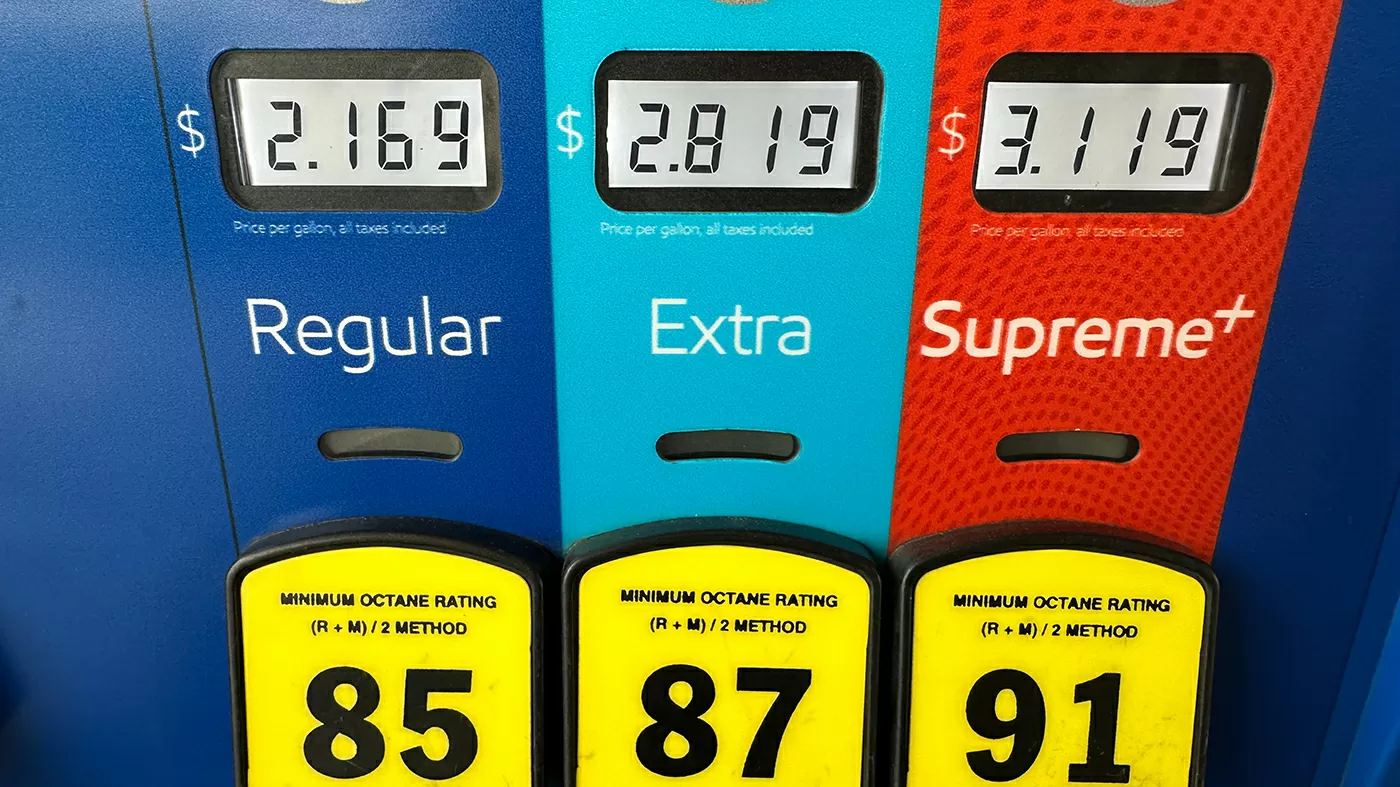
Gasoline prices have been on a downward trend recently, bringing relief to many American households. However, this drop in gasoline prices has also brought to light a new issue – the rising costs of electric and natural gas. This has turned the issue of energy affordability into a political Rorschach test, with Democrats blaming the White House for high power bills, while President Trump and his allies tout low prices at the pump.
According to recent reports, the average price of gasoline in the United States has dropped to $2.50 per gallon, a significant decrease from the $3.50 per gallon average just a few years ago. This has been a welcome change for many Americans, who have been burdened by high gas prices for far too long. With the holiday season just around the corner, this drop in gasoline prices could not have come at a better time, giving families some extra cash to spend on gifts and celebrations.
However, this good news is being overshadowed by the rising costs of electric and natural gas. Many households across the country are now facing higher energy bills, putting a strain on their already tight budgets. This has become a major concern for Democrats, who are using this issue to attack the White House. They argue that the Trump administration’s policies have contributed to the increase in energy costs, making it difficult for American families to make ends meet.
On the other hand, President Trump and his allies are touting the low gasoline prices as a result of their efforts to boost domestic oil production and reduce dependence on foreign oil. They argue that the drop in gasoline prices is a direct result of their pro-energy policies, which have led to increased production and competition in the market. This, in turn, has resulted in lower prices for consumers.
The issue of energy affordability has become a political Rorschach test, with both sides interpreting the same situation in completely different ways. Democrats see it as a failure of the Trump administration, while Republicans see it as a success. However, the reality is that the issue of energy affordability is a complex one, with many factors at play.
One of the major factors contributing to the rise in electric and natural gas costs is the shift towards renewable energy sources. While this is a positive step towards a greener future, it also comes with a higher price tag. The production and distribution of renewable energy sources such as wind and solar power are still in their early stages, making them more expensive compared to traditional energy sources.
Another factor is the aging infrastructure of the energy grid. The United States’ energy infrastructure is in dire need of modernization, with many power plants and transmission lines reaching the end of their lifespan. This has led to increased maintenance costs, which are ultimately passed on to the consumers.
So, what can be done to address the issue of energy affordability? The answer lies in finding a balance between promoting renewable energy and ensuring that energy costs remain affordable for all Americans. This requires a comprehensive approach that involves investing in modernizing the energy grid, promoting competition in the energy market, and incentivizing the development of renewable energy sources.
In the meantime, it is important for both sides of the political spectrum to come together and find solutions that benefit all Americans. Instead of using the issue of energy affordability as a political tool, it is time for politicians to work towards finding long-term solutions that will benefit the country as a whole.
In conclusion, while the drop in gasoline prices is certainly a positive development, it should not overshadow the rising costs of electric and natural gas. The issue of energy affordability is a complex one, and it is important for both sides to work together towards finding sustainable solutions. It is time for politicians to put aside their differences and prioritize the well-being of the American people. Only then can we truly achieve affordable and sustainable energy for all.
