
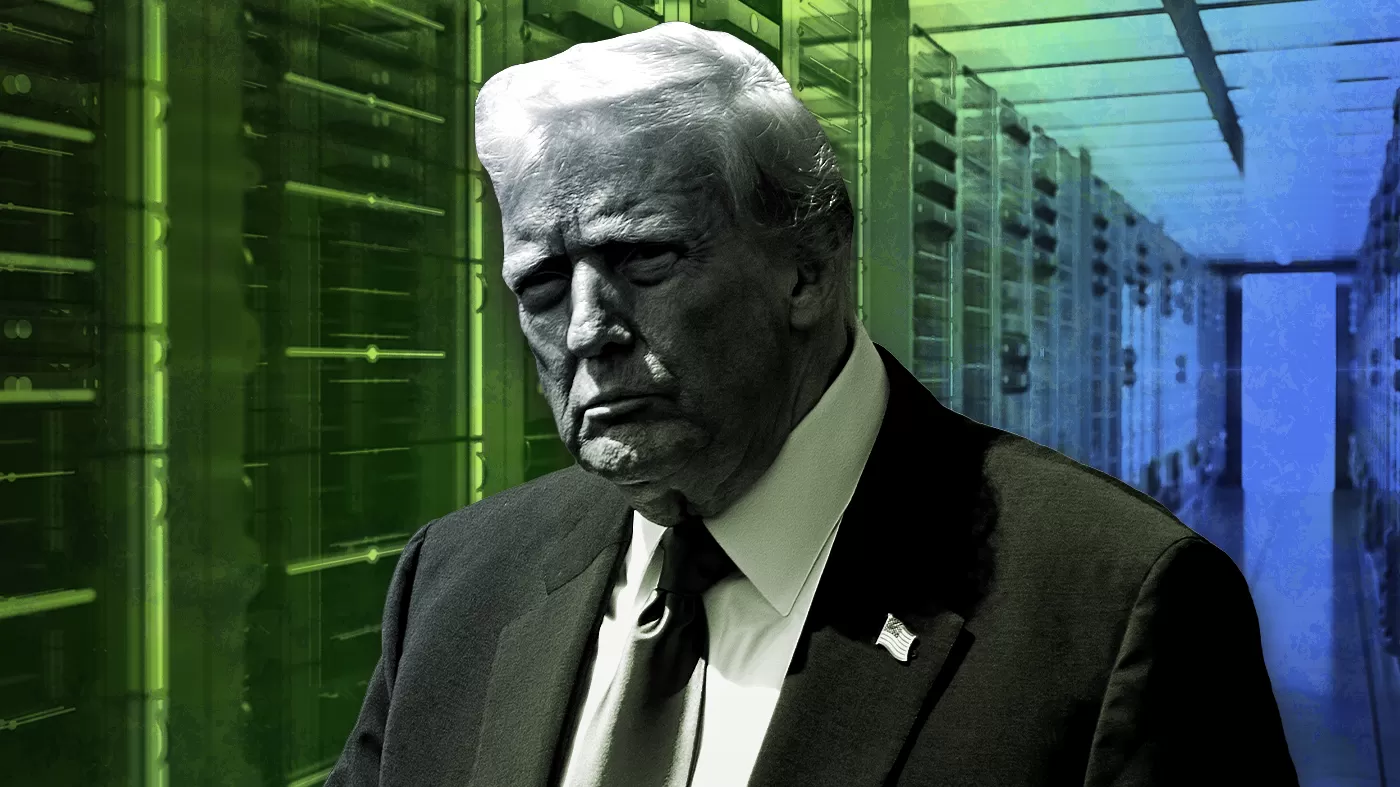
The Trump administration has recently made a push towards expanding data centers in the United States, sparking concerns about energy prices and environmental impacts. Data centers, which house the computers and infrastructure used by tech companies, have become increasingly important in the age of artificial intelligence (AI). With the White House’s focus on winning the global race for AI dominance, these concerns must be addressed to ensure a sustainable and successful future for the country.
The rise of AI has led to a surge in demand for data centers, as they are the backbone of this technology. The Trump administration recognizes the importance of data centers and has taken measures to encourage their growth in the country. This includes policies such as tax incentives and streamlined regulations to make it easier for companies to build and operate data centers.
However, this push for data centers has raised concerns about energy consumption and its impact on the environment. Data centers require a significant amount of energy to run and cool the servers, and this energy comes at a cost. The concern is that the increased demand for energy could drive up prices and put a strain on the country’s energy resources.
Additionally, data centers have a significant environmental impact, with their energy consumption contributing to carbon emissions and potential water shortages. The cooling systems used in data centers require vast amounts of water, and in areas where water is scarce, this could have severe consequences. Moreover, the carbon footprint of data centers is a cause for concern, as it contributes to climate change and poses a threat to the environment.
Despite these concerns, the Trump administration remains steadfast in its support for data centers. White House officials argue that the growth of data centers is crucial for the U.S. to maintain its global leadership in AI. They believe that data centers are essential for the development and advancement of AI technologies, which have the potential to revolutionize industries and improve the lives of citizens.
The administration’s stance on data centers is not without merit. Data centers are the foundation of AI, and without them, the country could fall behind in the race for AI dominance. The U.S. is currently leading in AI development, and data centers are a significant factor in this success. The growth of data centers can also create job opportunities and boost the economy in the areas where they are located.
Furthermore, the Trump administration has taken steps to address the concerns surrounding data centers’ energy consumption and environmental impact. The government has invested in renewable energy sources and is encouraging data centers to adopt energy-efficient technologies. This not only reduces the environmental impact but also helps to lower energy costs.
The administration’s support for data centers has also sparked innovation in the industry. Companies are now investing in new technologies to make data centers more energy-efficient and sustainable. This includes the use of renewable energy sources, such as solar and wind power, and the development of advanced cooling systems that use less water.
In conclusion, while the Trump administration’s push for data centers has raised valid concerns about energy prices and environmental impacts, it is essential to recognize the significant role data centers play in the development of AI. The growth of data centers is crucial for the U.S. to maintain its global leadership in AI and drive economic growth. The government’s efforts to address the concerns surrounding data centers show a commitment to finding sustainable solutions and ensuring a bright future for the country. With continued support and innovation, data centers can be a driving force for progress and success in the age of AI.
