
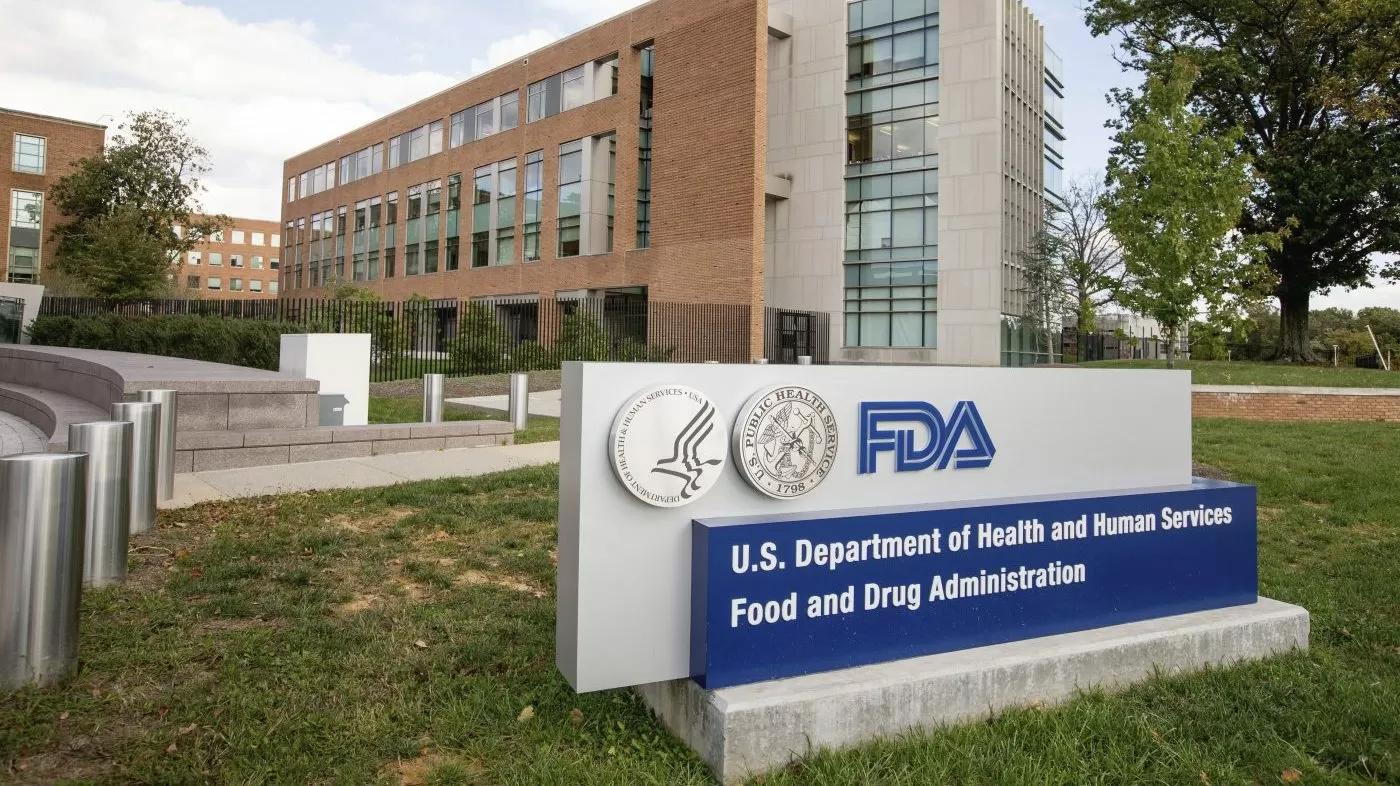
The Environmental Working Group (EWG) is once again calling out the Food and Drug Administration (FDA) for their decision to withdraw a proposed rule that would have protected consumers from asbestos contamination in talc-based cosmetics. This move by the FDA has been met with criticism and concern by environmental and consumer safety advocates.
The proposed regulation, which was set to be implemented under the Biden administration, aimed to establish standardized screening methods to ensure that talc used in cosmetics was asbestos-free. This would have been a crucial step in preventing potential health risks associated with asbestos exposure, especially in products that are used daily by millions of Americans.
However, just days into the new administration, the FDA abruptly withdrew the proposal without any explanation. This has raised serious questions about the agency’s commitment to protecting public health and the influence of the cosmetics industry on their decision-making process.
Talc, a mineral used in a variety of personal care products, has been linked to asbestos contamination in the past. Asbestos, a known carcinogen, can cause serious health issues such as lung cancer and mesothelioma when inhaled. The EWG has been advocating for stricter regulations on talc-based products for years, and this recent move by the FDA is a major setback in their efforts to protect consumers.
The EWG’s Senior Vice President for Government Affairs, Scott Faber, expressed his disappointment in the FDA’s decision, stating, “It’s outrageous that at a time when tens of thousands of Americans are dying from asbestos-related diseases every year, the FDA is turning a blind eye to the potential risks of asbestos in cosmetics.” He also pointed out that this decision goes against the Biden administration’s promise to prioritize public health and science-based policies.
The FDA’s sudden withdrawal of the proposed rule has also sparked concerns about the transparency and accountability of the agency. The public deserves to know the reasoning behind such a significant decision, especially when it could potentially put their health at risk. The lack of transparency from the FDA is alarming and raises doubts about their commitment to protecting consumers.
Furthermore, the EWG has highlighted the influence of the cosmetics industry on the FDA’s decision. The industry has a history of downplaying the potential risks of talc-based products and has been actively lobbying against stricter regulations. This raises serious concerns about the FDA’s independence and their ability to make decisions in the best interest of public health.
The FDA’s decision to withdraw the proposed rule is a major disappointment, not just for the EWG and other environmental and consumer safety advocates, but for all Americans who use talc-based cosmetics. Without proper screening methods in place, consumers are left vulnerable to potential health risks, and this is unacceptable.
Fortunately, there is still hope for protecting consumers from asbestos contamination in talc-based cosmetics. The EWG is urging the FDA to reconsider their decision and prioritize public health over industry influence. They are also calling on the Biden administration to take action and hold the FDA accountable for their actions.
In the meantime, consumers can take steps to protect themselves by avoiding talc-based products and opting for safer alternatives. It’s also crucial for the FDA to mandate that all companies using talc in their products disclose this information on their labels. This will allow consumers to make informed decisions about the products they use.
In conclusion, the FDA’s withdrawal of the proposed rule to prevent asbestos contamination in talc-based cosmetics is a major setback in the fight for consumer safety. The agency must prioritize public health over industry interests, and the Biden administration must hold them accountable for their actions. It’s time for the FDA to reassess their decision and take necessary steps to protect the public from potential health risks.
