
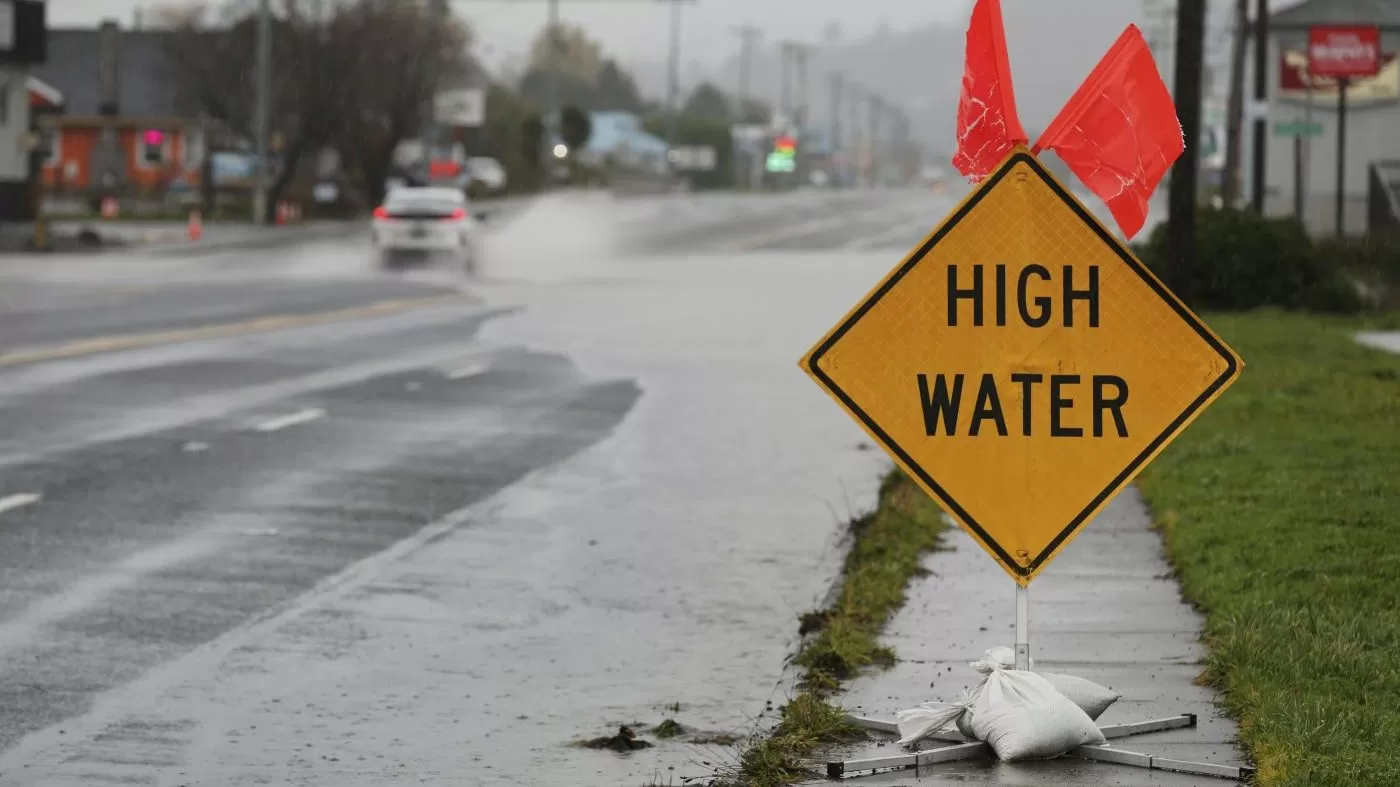
Rising sea levels have been a growing concern for years, with scientists warning of the potential consequences of climate change. However, a new study published in Nature Communications has shed light on a particularly alarming aspect of this issue – the potential flooding of thousands of hazardous sites in marginalized communities.
According to the study, if greenhouse gases continue to build up in the atmosphere, it is estimated that by 2100, rising sea levels could flood around 5,500 hazardous sites across seven states in the United States. This could have devastating effects on these communities, as flood waters could potentially release harmful contaminants from these sites.
The study highlights the disproportionate impact that climate change and its consequences will have on marginalized communities. These communities are often located in low-lying areas and are more vulnerable to the effects of rising sea levels. This means that they will bear the brunt of the consequences, despite contributing the least to the issue of climate change.
The seven states that are at risk include Florida, Louisiana, North Carolina, California, New Jersey, New York, and Texas. These states are home to a large number of marginalized communities, many of which are already struggling with poverty and lack of resources. The potential flooding of hazardous sites in these areas will only add to their challenges and could have long-lasting effects on their health and well-being.
The study also highlights the urgent need for action to address climate change and reduce greenhouse gas emissions. If we continue on our current path, the consequences will be dire, not just for the environment but also for the most vulnerable communities. It is time for us to take responsibility and work towards a more sustainable future.
The potential flooding of hazardous sites is just one of the many consequences of rising sea levels. It is a stark reminder of the urgent need to address climate change and its impacts. We cannot afford to ignore this issue any longer. We must take action now to protect our planet and the communities that call it home.
The study also serves as a wake-up call for governments and policymakers to prioritize the needs of marginalized communities. These communities are often the most affected by environmental disasters and yet are the least equipped to deal with them. It is time for governments to take proactive measures to protect these communities and provide them with the resources and support they need.
In addition to government action, it is also important for individuals to take steps towards reducing their carbon footprint. Simple actions like using public transportation, conserving energy, and reducing waste can make a significant difference in reducing greenhouse gas emissions. Every small step counts towards creating a more sustainable future for all.
It is also crucial for businesses and industries to take responsibility for their impact on the environment. They must adopt sustainable practices and invest in renewable energy sources to reduce their carbon footprint. By working together, we can make a significant impact in mitigating the effects of climate change and protecting our planet.
The study’s findings may seem alarming, but it also serves as a reminder that there is still time to take action. We have the power to change the course of our planet’s future. Let us use this opportunity to come together and work towards a more sustainable and equitable world.
In conclusion, the study published in Nature Communications is a stark reminder of the potential consequences of rising sea levels on marginalized communities. It highlights the urgent need for action to address climate change and reduce greenhouse gas emissions. Let us take this as a call to action and work towards a better, more sustainable future for all.
