
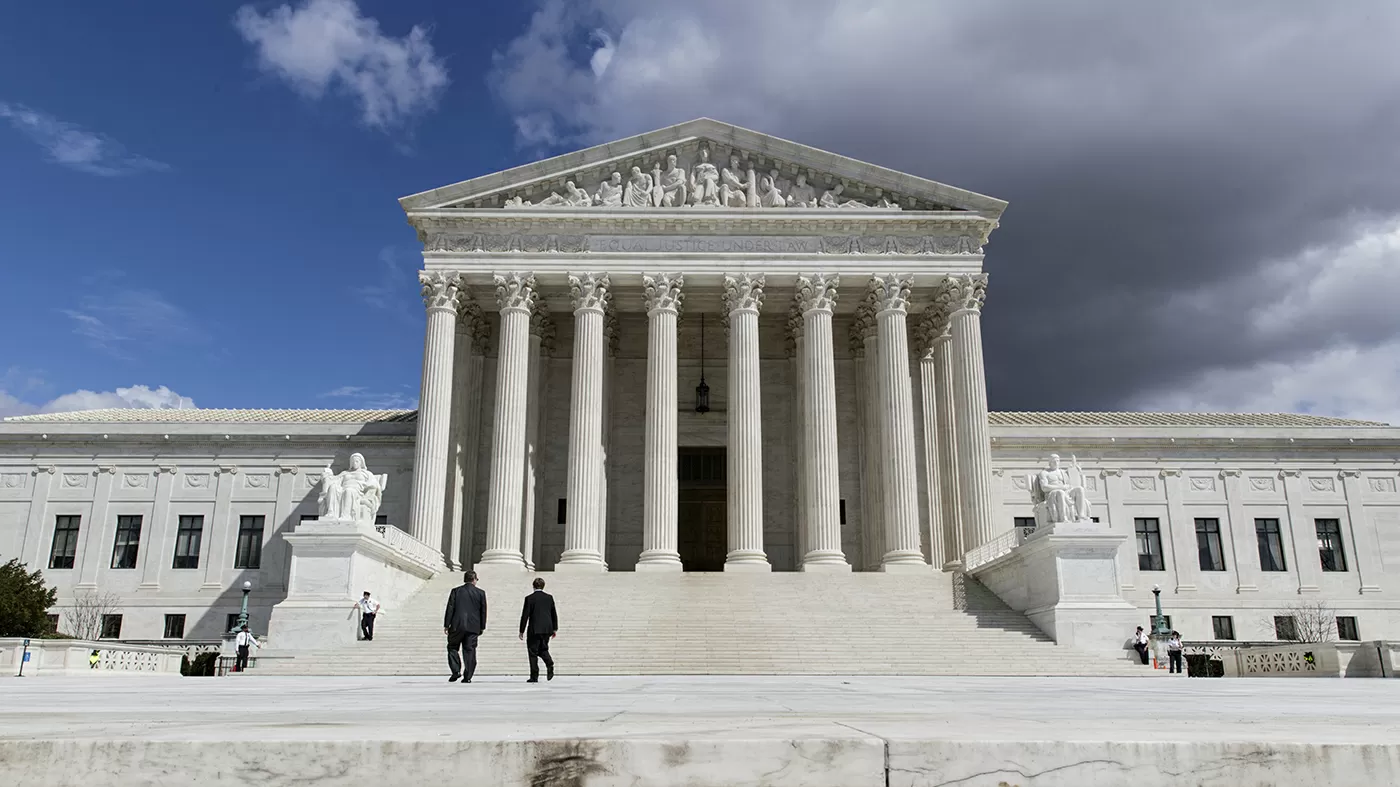
Industry groups are fighting back against California’s efforts to address climate change. On Friday, the Chamber of Commerce and other organizations filed an emergency request with the Supreme Court, asking for a block on state laws that require companies to disclose information about their emissions and climate risks.
The laws in question, which were passed in 2017 and 2018, aim to hold companies accountable for their contributions to climate change. They require businesses to disclose their greenhouse gas emissions and provide information on their climate-related risks and strategies for mitigating them. The laws also require financial institutions to disclose their investments in fossil fuels and other industries that contribute to climate change.
However, industry groups argue that these laws are burdensome and will harm their businesses. They claim that the laws will create a competitive disadvantage for companies in California, as they will be forced to disclose more information than their competitors in other states. They also argue that the laws will increase the cost of doing business in the state and could potentially lead to job losses.
In their emergency request to the Supreme Court, the industry groups are seeking a temporary block on the laws while they try to challenge them in court. They argue that the laws are unconstitutional and violate the First Amendment, which protects the freedom of speech.
The request comes after a federal appeals court rejected the industry groups’ challenge to the laws in September. The court ruled that the laws do not violate the First Amendment and are a valid exercise of the state’s authority to regulate businesses within its borders.
California has long been a leader in addressing climate change, and the state’s efforts have been praised by environmentalists. The state has set ambitious goals to reduce greenhouse gas emissions and has implemented various policies and regulations to achieve them. These laws requiring companies to disclose their emissions and climate risks are just another step in California’s efforts to combat climate change.
However, the industry groups argue that these laws go beyond what is necessary to address climate change and are overly burdensome for businesses. They claim that the laws will force companies to disclose confidential information and could harm their competitiveness.
In response, environmentalists argue that the laws are crucial for addressing climate change and holding companies accountable for their actions. They argue that companies have a responsibility to disclose their emissions and climate risks, as they have a significant impact on the environment and the economy.
The Supreme Court has yet to respond to the emergency request, but environmentalists are hopeful that the laws will remain in effect. They believe that the industry groups’ arguments are without merit and are confident that the laws will withstand legal challenges.
As the fight over these laws continues, it is essential to remember the urgency of addressing climate change. The devastating effects of climate change are already being felt around the world, and it is crucial for companies to take responsibility for their role in contributing to it.
The Chamber of Commerce and other industry groups may see these laws as a burden, but in reality, they are an opportunity for companies to be transparent and accountable to their stakeholders. By disclosing their emissions and climate risks, companies can demonstrate their commitment to sustainability and take steps to reduce their impact on the environment.
In the end, the fight against climate change requires collaboration and cooperation from all sectors, including businesses. It is time for companies to embrace these laws and take responsibility for their actions. Let us hope that the Supreme Court recognizes the importance of these laws and allows them to take effect, paving the way for a more sustainable future for all.
