
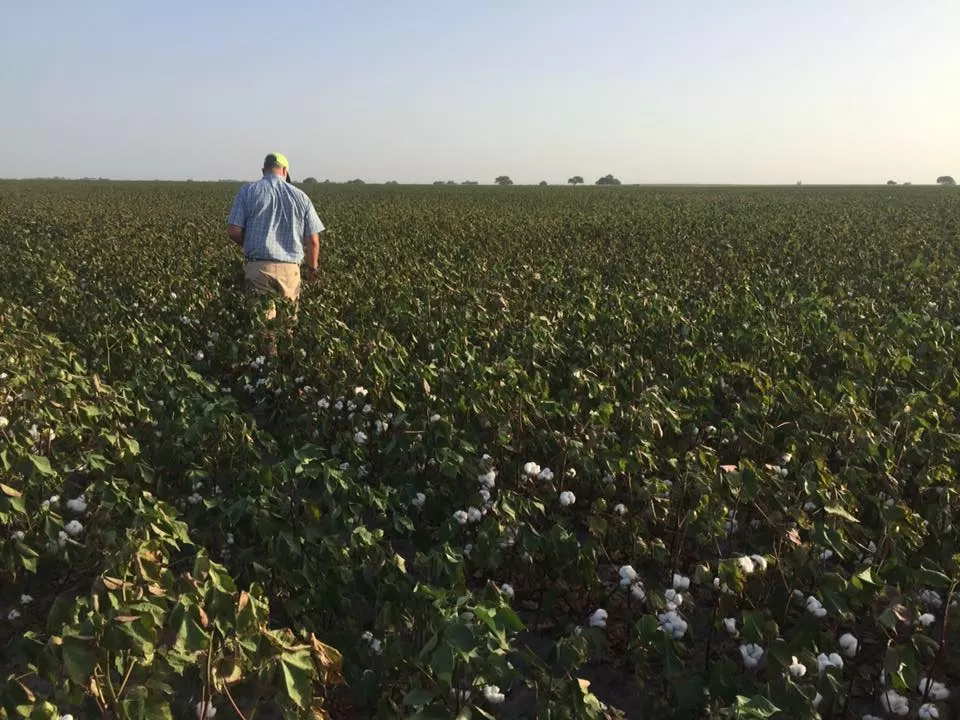
The cotton industry in Texas has been facing a new threat – the cotton jassid, an invasive species of leafhopper. This tiny insect, which is native to Asia, has been found in several cotton fields in the state and could potentially cause significant damage to the cotton crops if not contained.
The cotton jassid, also known as Amrasca biguttula biguttula, is a small, green insect that feeds on the sap of cotton plants. It is a known pest in countries like India, Pakistan, and China, where it has caused significant damage to cotton crops. However, this is the first time it has been found in the United States, and experts are concerned about its potential impact on the cotton industry in Texas.
The discovery of the cotton jassid in Texas was made by a team of researchers from Texas A&M AgriLife Research and Extension Center in Lubbock. They were conducting routine surveys of cotton fields when they noticed the presence of this invasive species. Further analysis confirmed that it was indeed the cotton jassid, and it had already started to spread in the cotton fields.
The presence of the cotton jassid in Texas is a cause for concern for cotton farmers in the state. This insect has the potential to cause significant damage to cotton crops by feeding on the sap of the plants. It can also transmit diseases, which can further weaken the plants and reduce their yield. If not contained, the cotton jassid could become a major threat to the cotton industry in Texas, which is one of the largest producers of cotton in the United States.
To prevent the spread of the cotton jassid, experts are urging cotton farmers to be vigilant and report any sightings of this insect in their fields. They are also advising farmers to implement integrated pest management strategies to control the population of the cotton jassid. This includes using natural predators, such as ladybugs and lacewings, to control the population of the insect. Farmers can also use insecticides, but they need to be careful to choose the right ones that are effective against the cotton jassid without harming other beneficial insects.
The Texas Department of Agriculture has also taken steps to contain the spread of the cotton jassid. They have issued a quarantine order, which restricts the movement of cotton plants and equipment from infested areas to prevent the insect from spreading to other parts of the state. The department is also working closely with farmers to educate them about the cotton jassid and how to control its population.
The discovery of the cotton jassid in Texas is a wake-up call for the cotton industry in the state. It highlights the importance of monitoring and managing invasive species to protect our crops and ensure food security. The cotton jassid is just one of the many invasive species that can cause harm to our crops and environment. Therefore, it is crucial to have robust monitoring systems in place to detect and control the spread of such pests.
The good news is that the cotton jassid can be controlled if proper measures are taken. With the help of experts and the cooperation of farmers, we can prevent this invasive species from causing significant damage to our cotton crops. It is also essential to raise awareness among the general public about the threat of invasive species and the role they can play in preventing their spread.
In conclusion, the discovery of the cotton jassid in Texas is a cause for concern, but it is not a reason to panic. With timely action and cooperation, we can contain the spread of this invasive species and protect our cotton crops. Let us all work together to safeguard our cotton industry and ensure a sustainable future for our farmers.
